



What's Happening?
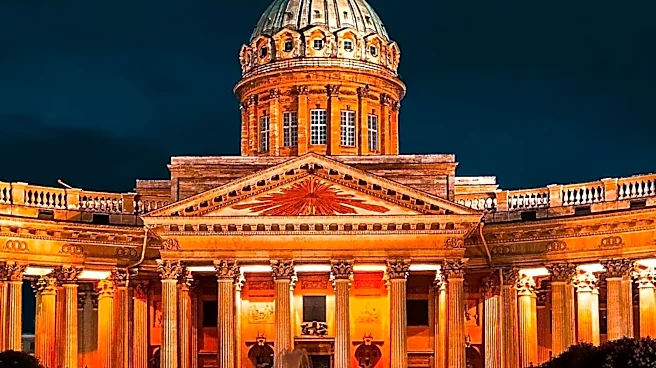
The European Investment Bank (EIB) has released fictional euro banknote mock-ups to highlight some of its significant projects and investments across Europe. These designs, which the EIB clarified are not official currency designs (a role belonging to the European Central
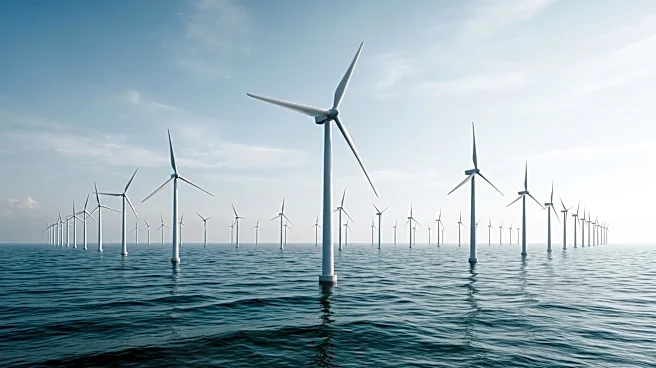
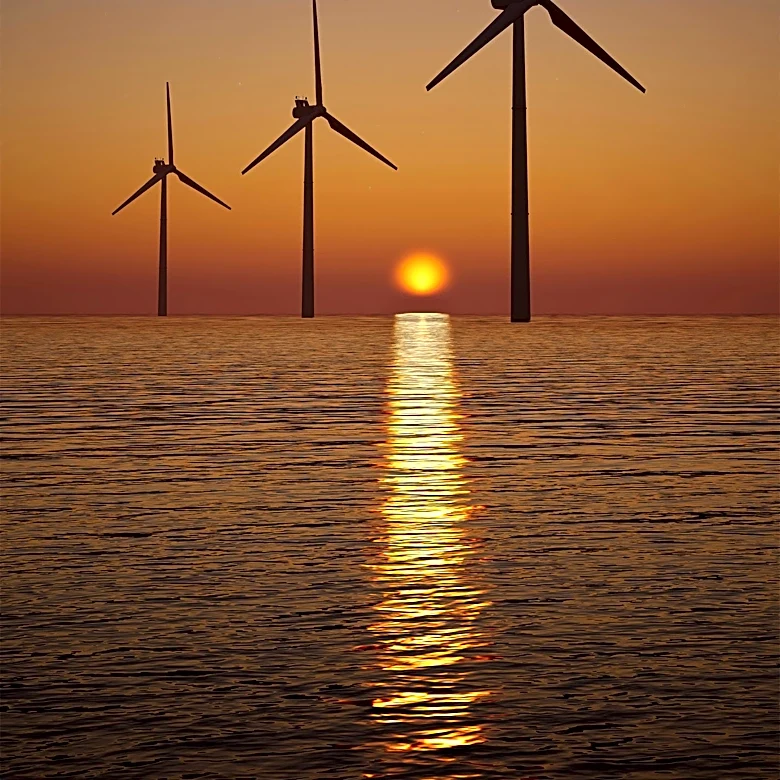
Bank), feature major initiatives aimed at Europe's development. Among the projects showcased are the Lisbon-Porto high-speed rail line in Portugal, which has a financing package of 3 billion euros with 875 million euros signed to date. Another featured project is offshore wind energy in Poland, where the EIB is supporting investments totaling 2 billion euros, aiming for wind power to supply nearly one-tenth of Poland's electricity by 2030. The mock-ups also include TechEU, an initiative through which the EIB Group plans to mobilize 340 billion euros by 2028 for technology, clean energy, space, housing, and biotechnology. Additionally, the EIB emphasized its support for affordable housing in the European Union, with investments reaching 5.2 billion euros in 2025 and projected to increase to approximately 6 billion euros in 2026. The EIB noted that artificial intelligence was utilized in parts of the proposals for these fictional banknote designs.
Why It's Important?
This initiative by the European Investment Bank serves as a strategic communication tool to underscore its pivotal role in fostering economic development and innovation across the European Union. By visually representing its investments through fictional banknotes, the EIB aims to make its contributions more tangible and understandable to the public and stakeholders. The projects highlighted, such as high-speed rail, offshore wind energy, and the TechEU initiative, are critical for Europe's long-term economic competitiveness, environmental sustainability, and technological advancement. Investments in infrastructure like high-speed rail improve connectivity and facilitate trade, while renewable energy projects are crucial for meeting climate targets and reducing reliance on fossil fuels. The TechEU initiative, with its substantial funding target, is designed to boost Europe's position in key technological sectors, potentially creating new industries and jobs. The focus on affordable housing also addresses a significant social need, contributing to social cohesion and economic stability. This public relations approach helps to build confidence in the EIB's mission and its impact on the daily lives of European citizens.
What's Next?
The EIB's continued focus on these strategic areas suggests ongoing investment and development in high-speed rail, renewable energy, technology, and affordable housing. The TechEU initiative, with its ambitious mobilization target of 340 billion euros by 2028, indicates a sustained push towards technological leadership and clean energy transition. Future reports from the EIB are likely to detail progress on these projects and potentially introduce new initiatives aligned with its mid-term strategic review. The EIB's use of artificial intelligence in design proposals also hints at a broader integration of advanced technologies in its operational and communication strategies. Stakeholders, including governments, businesses, and citizens, can anticipate further announcements regarding funding allocations, project milestones, and policy developments in these critical sectors as the EIB continues to implement its strategic vision for European development. The EIB will likely continue to leverage innovative communication methods to highlight its impact and engage with the public on its investment priorities.
Beyond the Headlines
The EIB's creative use of fictional euro banknote designs goes beyond mere promotion; it subtly reinforces the idea of a unified European identity and shared future, where collective investments drive progress. By associating its projects with the symbolic currency of the euro, the EIB implicitly links its financial activities to the broader European project. This approach can foster a sense of ownership and pride among European citizens regarding the continent's developmental achievements. Furthermore, the emphasis on sustainable and technologically advanced projects reflects a forward-looking vision for Europe, positioning it as a leader in green technology and innovation. The inclusion of AI in the design process also highlights the increasing role of artificial intelligence in various sectors, including public communication and strategic planning. This initiative could inspire other international financial institutions to adopt more engaging and accessible methods to communicate their impact, moving beyond traditional reports to more visually compelling narratives that resonate with a wider audience.