






What's Happening?
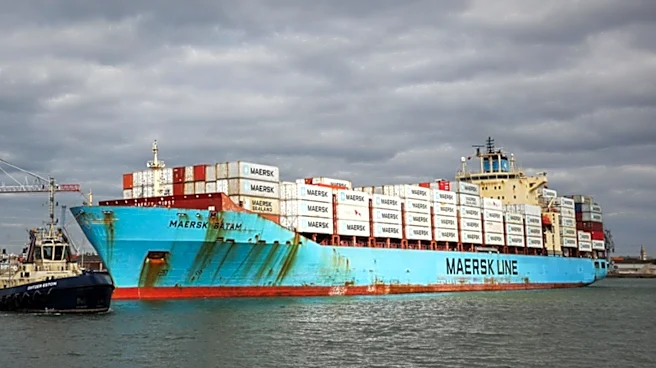
The Federal Maritime Commission (FMC) has removed the three-year statute of limitations on charge complaints related to detention and demurrage fees assessed on or after June 16, 2022. This regulatory change, which has largely gone unnoticed outside legal
circles, means that carriers are now exposed to claims that would have previously expired. The FMC has also standardized the burden of proof across all filing routes, requiring carriers to prove the reasonableness of a charge, rather than shippers proving its unreasonableness. This shift aims to assist small and medium-sized shippers who historically found the cost of pursuing claims against carriers to be prohibitive. The change allows claims dating back to mid-2022 to potentially be filed as late as 2032, significantly extending the period of liability for carriers.
Why It's Important?
This FMC ruling is a significant development for the U.S. shipping industry, particularly impacting ocean carriers and small to medium-sized shippers. For carriers, it reopens exposure to detention and demurrage charges assessed more than three years ago, which many likely considered closed matters. This could lead to a wave of new charge complaints, potentially resulting in substantial financial liabilities for carriers. Conversely, for shippers and Non-Vessel Operating Common Carriers (NVOCCs), the economic calculation for pursuing claims has shifted meaningfully in their favor. The removal of the statute of limitations and the standardization of the burden of proof reduce the practical barriers that previously discouraged smaller cargo interests from challenging what they perceived as unfair charges. This move by the FMC is part of a broader effort to create a more equitable playing field in the maritime shipping sector, addressing long-standing grievances from smaller businesses regarding excessive and unjustified fees.
What's Next?
The immediate future will likely see increased activity from legal and compliance communities, advising shippers and NVOCCs to review their detention and demurrage assessments and preserve thorough invoice and bill of lading records. This is a clear signal that the legal community anticipates a rise in new claim filings. It remains to be seen how widely this regulatory change will be understood beyond specialist logistics law firms and how carriers will respond. Potential responses from carriers could include proactive settlement of older disputed charges to mitigate risk, or legal challenges to the FMC's interpretation of the regulations. The scale of exposure created by this ruling, spanning years of accumulated detention and demurrage billing, suggests that the industry will be closely monitoring the volume and outcome of these newly permissible claims in the coming months and years.
Beyond the Headlines
This regulatory shift by the FMC highlights a deeper commitment to addressing power imbalances within the U.S. maritime supply chain. The previous system, with its three-year statute of limitations and the burden of proof often falling on the shipper, disproportionately affected smaller businesses that lacked the resources to pursue costly litigation. By removing these barriers, the FMC is not just altering a legal technicality; it is fostering a more transparent and accountable environment for maritime commerce. This could lead to a long-term cultural shift where carriers are more diligent in their assessment of detention and demurrage charges, knowing they face extended liability. It also underscores the ongoing regulatory scrutiny of shipping practices that intensified during the pandemic-era supply chain disruptions, aiming to prevent future instances of perceived price gouging or unfair practices against vulnerable shippers. The ethical implications revolve around fairness and equitable treatment in commercial dealings, with the FMC signaling a stronger stance against practices that could be seen as exploitative.