



What's Happening?
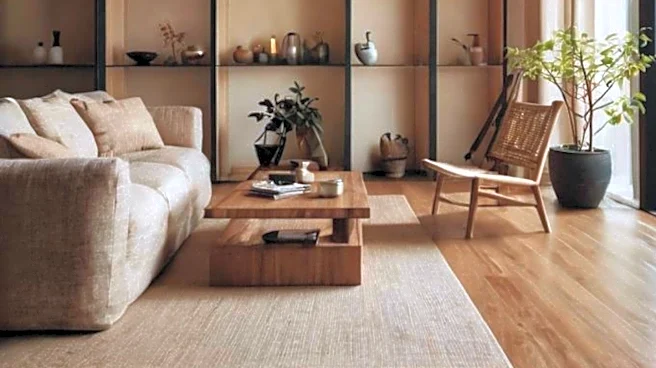
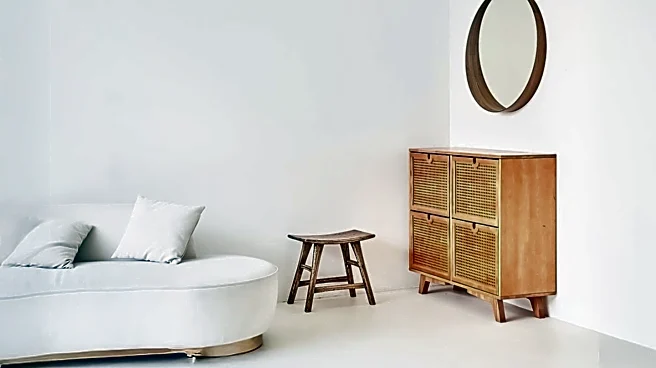
Japandi is an emerging interior design style in the U.S. that blends Japanese and Scandinavian aesthetics. This hybrid approach combines the low furniture and natural materials characteristic of Japanese design with the warm, functional comfort found
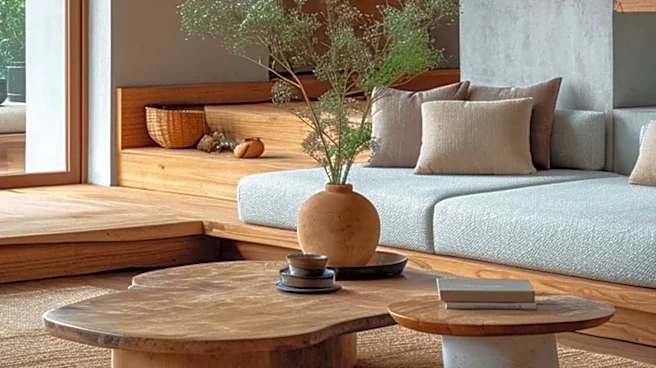
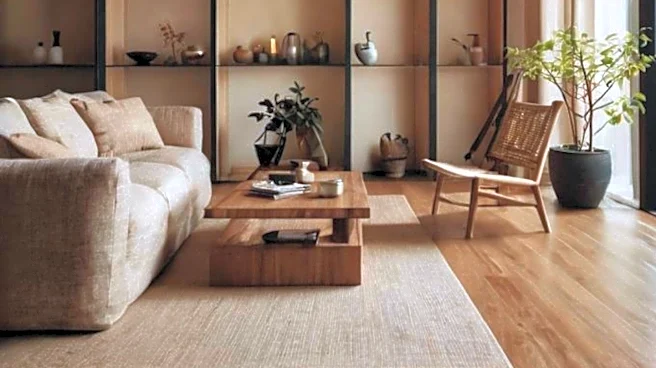
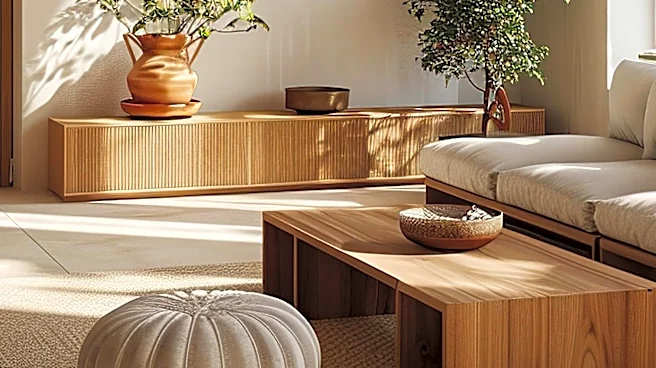
in Scandinavian interiors. Key elements of Japandi include a palette of light wood and muted earth tones, a focus on low-profile furniture, and an emphasis on keeping surfaces mostly empty to highlight function and natural materials. The style prioritizes low clutter and intentional empty spaces, creating a sense of calm and openness. Unlike traditional Scandinavian minimalism, which often features cooler whites and grays, Japandi incorporates warmer tones and deliberately positions furniture closer to the floor, altering sightlines and making rooms feel more expansive. It also differs from Wabi-sabi, which embraces imperfection and age, by maintaining clean lines and sound surfaces, with imperfection serving as an accent rather than a core principle.
Why It's Important?
The rise of Japandi style is significant for the U.S. interior design industry and consumers seeking sustainable and minimalist living solutions. Its preference for durable furniture and natural finishes aligns with growing environmental consciousness and a desire for longevity in home goods. For urban dwellers, particularly those in compact apartments, Japandi offers practical benefits by making small spaces appear larger and less cluttered through its low-profile furniture and strategic use of empty space. This design philosophy can influence furniture manufacturers, retailers, and interior designers to adapt their offerings to meet the demand for this aesthetic. Consumers stand to gain from a design that promotes tranquility and functionality, potentially reducing stress associated with cluttered environments. The emphasis on natural materials also supports industries involved in sustainable sourcing and craftsmanship.
What's Next?
As Japandi gains traction, it is likely to see increased adoption in residential and commercial interior design projects across the U.S. Design publications and home improvement shows may feature more Japandi-inspired spaces, further popularizing the trend. Furniture manufacturers and home decor brands are expected to introduce more products that align with Japandi principles, such as low-slung sofas, chabudai-style tables, and natural fiber textiles. We may also see a greater emphasis on diffused, low-level lighting solutions and unglazed ceramic decor. Interior designers will likely incorporate Japandi elements into their portfolios, offering clients a blend of modern minimalism and serene functionality. The style's adaptability to small spaces suggests it will be particularly influential in urban housing markets.
Beyond the Headlines
Beyond its aesthetic appeal, Japandi reflects a broader cultural shift towards mindful living and a rejection of excessive consumerism. The emphasis on intentional emptiness and carefully chosen objects encourages a more deliberate approach to home furnishing, potentially leading to less waste and more appreciation for quality over quantity. This design philosophy can foster a sense of calm and well-being, aligning with growing interest in mental health and creating sanctuary-like home environments. The fusion of Japanese and Scandinavian design traditions also highlights a global exchange of cultural influences, demonstrating how diverse aesthetics can combine to create something new and resonant. It challenges conventional notions of luxury, suggesting that true sophistication lies in simplicity, functionality, and a connection to nature.