



What's Happening?
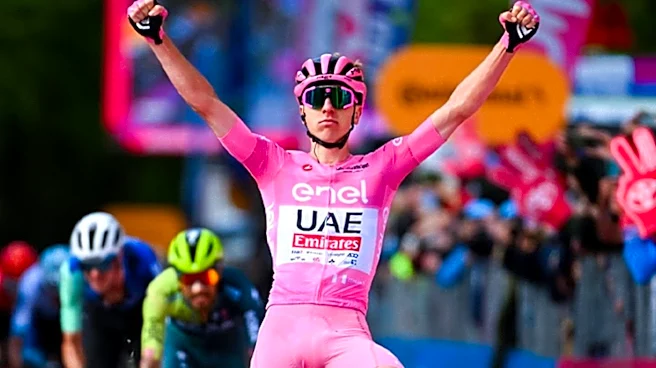
Slovenian cyclist Tadej Pogacar is reportedly close to signing a historic contract renewal with the UAE Team, potentially extending his current contract until 2031. This extension would see Pogacar, currently contracted until 2030, remain with the team
until he is 33 years old. His representative, Alex Carera, confirmed the intention to prolong the contract, stating that discussions are focused on an extension to 2031, with potential for further extensions. The negotiations are scheduled for a decisive meeting on Friday morning, involving team director Mauro Gianetti and president Matar Suhail Al Yabhouni Al Dhaheri. Carera emphasized that financial considerations are not the primary driver for Pogacar, but rather three or four special clauses. Among these special conditions, beyond prizes and image rights, are the use of a private jet and an active role in planning his teammates' race schedules. If finalized, this agreement would not only solidify Pogacar's position as one of cycling's most dominant figures but also make him, by a significant margin, the highest-paid cyclist in history.
Why It's Important?
This potential contract renewal for Tadej Pogacar carries significant implications for the professional cycling world and sports sponsorship. For the UAE Team, securing Pogacar for such an extended period ensures the continued presence of a top-tier athlete, enhancing their brand visibility and competitive edge in major races like the Tour de France. The inclusion of unique clauses, such as a private jet and influence over team race planning, sets a new precedent for athlete demands and contractual agreements in cycling, potentially influencing future negotiations for other elite athletes. This move could also impact the financial landscape of professional cycling, as Pogacar's record-breaking salary and benefits might drive up expectations for other star riders. Furthermore, it signals a long-term commitment from Pogacar, dispelling previous speculation about an early retirement and reinforcing his dedication to the sport, with an Olympic gold in Los Angeles 2028 previously cited as a long-term goal.
What's Next?
The next immediate step is the decisive meeting scheduled for Friday morning, where team director Mauro Gianetti and president Matar Suhail Al Yabhouni Al Dhaheri will convene with Pogacar's agent, Alex Carera, to finalize the terms of the contract renewal. Should the agreement be reached, an official announcement from the UAE Team is expected, detailing the extended contract duration and potentially some of the special clauses, though specific financial details are likely to remain confidential. Following the signing, Pogacar will continue his racing career with the UAE Team, with his long-term commitment potentially influencing team strategy and rider acquisitions for the coming years. The cycling community will closely watch how these unprecedented contractual terms, particularly the private jet and influence over team planning, impact team dynamics and Pogacar's performance in future seasons. This renewal could also set a new benchmark for athlete-team relationships in professional sports.
Beyond the Headlines
Beyond the immediate financial and sporting implications, Pogacar's potential contract renewal highlights a broader shift in the power dynamics between elite athletes and their teams in professional sports. The demand for a private jet and influence over team strategy signifies a move towards athletes having greater control over their careers, personal branding, and even team operations. This trend reflects the increasing commercial value of individual athletes, who are becoming brands in themselves, capable of dictating terms that extend beyond mere salary. It also raises questions about team cohesion and leadership, as an individual rider's influence on team planning could alter traditional hierarchical structures. Ethically, it underscores the growing disparity between top-tier athletes and the rest of the peloton, potentially creating a two-tiered system within the sport. This development could also inspire other athletes across various sports to seek more comprehensive and personalized contractual agreements, reshaping the landscape of professional sports contracts.