





What's Happening?
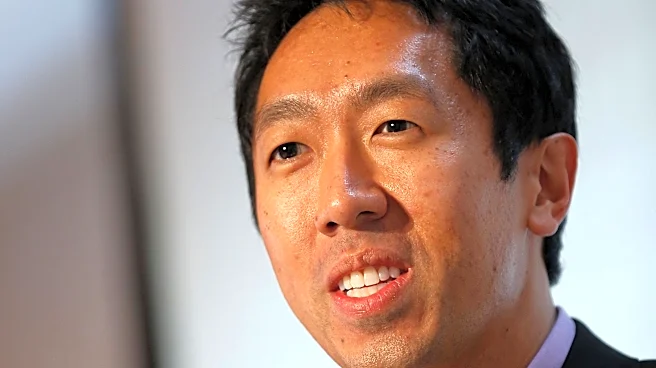
Andrew Ng, a prominent AI expert and founder of DeepLearning.AI, has open-sourced a new AI coworker application named 'OpenWorker.' This desktop-based AI tool is designed to automate complex tasks by working across various files and connected applications.
Unlike traditional AI assistants that primarily provide answers, OpenWorker aims to execute multi-step processes based on user-described outcomes, such as 'Prepare a customer brief' or 'Untangle my calendar.' It supports integration with multiple AI models, including OpenAI, Anthropic, Google, and open-weight models, and can run locally with Ollama. The application breaks down user requests into actionable steps, processes information, and generates finished documents or reports. A key feature is its requirement for user confirmation before performing consequential actions like sending messages or altering calendars, ensuring human oversight. OpenWorker also includes specialist security coworkers for code scanning and offers standing automations for routine tasks, with all agent actions logged for transparency.
Why It's Important?
The introduction of OpenWorker signifies a notable advancement in AI's practical application within professional environments, particularly for U.S. businesses and individual users. By automating multi-step tasks that typically require significant manual effort, OpenWorker has the potential to substantially increase productivity and efficiency across various industries. This could lead to a reduction in labor time for routine administrative and analytical tasks, allowing employees to focus on more strategic and creative work. The tool's compatibility with diverse AI models and its ability to run locally offer flexibility and potentially enhanced data privacy, which is a critical concern for many organizations. Furthermore, the emphasis on human oversight before executing significant actions addresses common anxieties about AI autonomy, fostering greater trust and adoption. This development could reshape workflows, particularly in sectors heavily reliant on document processing, data analysis, and project management, potentially creating new job roles focused on AI integration and oversight while streamlining existing ones.
What's Next?
As OpenWorker is currently in open beta, the immediate next steps will likely involve gathering user feedback to refine its functionalities and address any 'rough edges.' Continued development will focus on enhancing its capabilities, expanding integration options with more applications and AI models, and improving its ability to handle increasingly complex and nuanced tasks. The open-source nature of the project suggests that a community of developers may contribute to its evolution, potentially accelerating its improvement and broadening its applicability. Businesses and individual users are expected to experiment with OpenWorker to identify its most effective use cases and integrate it into their daily operations. The success of OpenWorker could also spur further innovation in the field of AI coworkers, leading to a new generation of AI tools designed for comprehensive task automation and intelligent workflow management. Its impact on the future of work, particularly in terms of human-AI collaboration, will be closely watched.
Beyond the Headlines
OpenWorker's design, which prioritizes user-described outcomes over explicit instructions, represents a shift towards more intuitive and human-centric AI interaction. This approach could democratize access to advanced automation, making sophisticated AI capabilities accessible to users without deep technical expertise. The inclusion of specialist security AI coworkers highlights a growing recognition of the need for integrated security measures within AI tools, especially as they gain access to sensitive data and systems. The logging of all agent actions also points to an increasing demand for transparency and accountability in AI operations, which is crucial for building trust and ensuring ethical use. This development could also spark broader discussions about the future of work, the nature of human-AI collaboration, and the skills required in an increasingly automated workforce. The ethical implications of AI making decisions, even with human oversight, will remain a critical area of consideration as such tools become more prevalent.