









What's Happening?
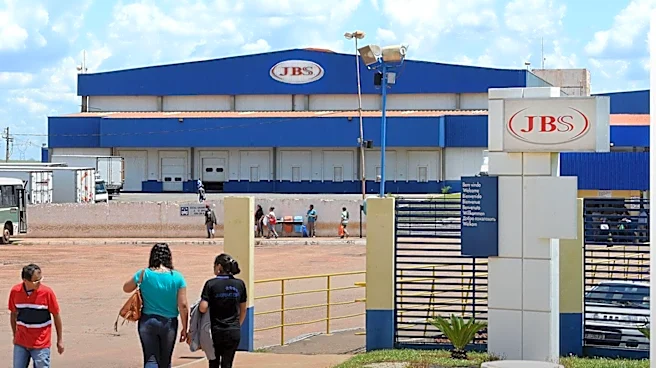
JBS, the world's largest meat processor, has abandoned its commitment to achieve net-zero greenhouse gas emissions by 2040. The company has removed Scope 3 emissions targets from its climate plan, which previously included a pledge to reduce emissions across
its global operations. JBS's decision to drop the net-zero target was revealed in its latest Non-Financial Disclosure Report for 2025. The company cited challenges in measuring and reducing Scope 3 emissions, which account for the majority of its carbon footprint. JBS's revised plan focuses on reducing Scope 1 and 2 emissions by 30% by 2030 and 70% by 2050.
Why It's Important?
JBS's decision to abandon its net-zero target has significant implications for global climate efforts, as the company is a major contributor to greenhouse gas emissions. The removal of Scope 3 targets creates a substantial gap in addressing the environmental impact of its operations, particularly in the beef industry, which is a significant source of methane emissions. This move may attract criticism from environmental groups and investors who are increasingly focused on sustainability and corporate responsibility. JBS's actions could influence other companies in the industry, potentially undermining broader efforts to combat climate change.
Beyond the Headlines
The decision by JBS to drop its net-zero target highlights the challenges companies face in balancing business operations with environmental commitments. It raises questions about the effectiveness of voluntary corporate sustainability pledges and the need for regulatory frameworks to ensure accountability. The situation also underscores the importance of transparency in corporate reporting and the role of stakeholders in holding companies accountable for their environmental impact. As climate change remains a pressing global issue, the actions of major corporations like JBS will continue to be scrutinized by the public and policymakers.