









What's Happening?
Novo Nordisk has announced the discontinuation of two Phase 3 studies, HERMES and ATHENA, for its anti-inflammatory heart failure drug, ziltivekimab. This decision was made after an independent data monitoring committee assessed a low probability of positive
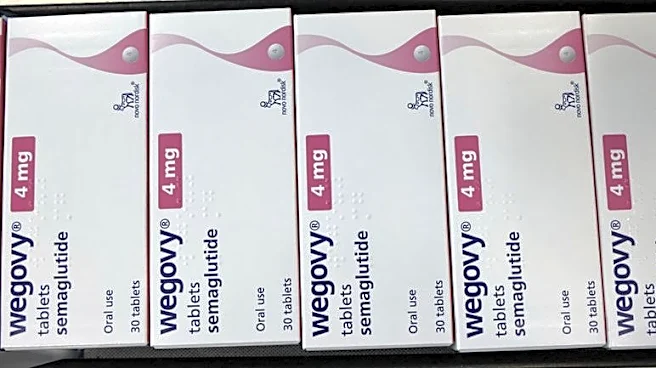
outcomes, considering the overall data, including the results from the previously failed ZEUS study. Patients involved in the HERMES and ATHENA trials will continue to be monitored until their scheduled three-month follow-up visits. This move follows the ZEUS study's disappointing results in July and is expected to lead to significant write-downs related to the asset, which Novo Nordisk acquired through its 2020 acquisition of Corvidia Therapeutics. Despite these setbacks, a third study, ARTEMIS, is still ongoing, with results anticipated in the first half of 2027. Concurrently, Novo Nordisk released positive Phase 3 results from the STEP Young study, demonstrating that semaglutide significantly reduced BMI in children aged 6 to under 12 with obesity. After 68 weeks of treatment, 40.4% of treated children were no longer classified as obese, assuming full treatment adherence. All participants also received lifestyle interventions, including calorie-restricted diets and increased physical activity. The study met its primary endpoint, and the safety profile was consistent with previous studies in adolescents and adults, strengthening Wegovy's long-term growth potential in obesity treatment for younger patients.
Why It's Important?
The discontinuation of two Phase 3 trials for ziltivekimab represents a significant setback for Novo Nordisk's cardiovascular pipeline, potentially impacting its diversification strategy beyond its highly successful diabetes and obesity drugs. The expected substantial write-downs from the Corvidia Therapeutics acquisition highlight the inherent risks and financial implications of pharmaceutical research and development, particularly in late-stage clinical trials. This could influence investor confidence in the company's ability to expand into new therapeutic areas and may lead to a re-evaluation of its acquisition strategies. Conversely, the positive results from the STEP Young study for semaglutide (Wegovy) in pediatric obesity are critically important. This success reinforces Novo Nordisk's leadership in the obesity market and expands the potential patient population for Wegovy to include younger demographics. Addressing childhood obesity is a major public health challenge in the U.S., and an effective treatment option for children could have a profound impact on long-term health outcomes and healthcare costs. The expansion of Wegovy's indication could also solidify its market position against emerging competitors and contribute significantly to Novo Nordisk's future revenue streams, offsetting some of the losses from the ziltivekimab program.
What's Next?
Following the discontinuation of the HERMES and ATHENA studies, Novo Nordisk will likely proceed with the financial write-downs associated with the ziltivekimab asset, which could be detailed in upcoming financial reports. The company will continue to monitor patients from the halted trials and focus on the ongoing ARTEMIS study, with its results in early 2027 being a key determinant for any future endeavors in this specific heart failure treatment. For semaglutide, Novo Nordisk is expected to pursue regulatory approvals for its use in children aged 6 to under 12 with obesity, based on the positive STEP Young study results. This will involve submitting the data to regulatory bodies like the FDA in the U.S. If approved, this expansion of Wegovy's label would open up a new and substantial market segment, potentially leading to increased sales and market penetration. The company will also likely continue to invest in research and development for other indications of semaglutide and similar GLP-1 agonists, further solidifying its position in the metabolic disease space. The mixed news, with a setback in cardiovascular research balanced by a significant advance in pediatric obesity treatment, suggests a continued strategic focus on its core strengths while carefully managing risks in new therapeutic areas.
Beyond the Headlines
The contrasting outcomes for Novo Nordisk's drug development programs highlight the complex and high-stakes nature of pharmaceutical innovation. The failure of ziltivekimab trials, despite significant investment through acquisition, underscores the scientific challenges in developing treatments for complex conditions like heart failure. This also raises broader questions about the valuation of early-stage assets and the due diligence processes in pharmaceutical mergers and acquisitions. On the other hand, the success of semaglutide in pediatric obesity carries profound societal implications. Childhood obesity is a growing epidemic with long-term health consequences, including increased risks of type 2 diabetes, cardiovascular disease, and certain cancers. The availability of an effective pharmacological treatment for this age group could transform public health approaches to obesity, potentially reducing the burden on healthcare systems and improving the quality of life for millions of children. However, it also raises ethical considerations regarding the long-term use of such medications in children, access and affordability, and the importance of integrating pharmacological interventions with comprehensive lifestyle changes. The ongoing debate around the role of medication versus lifestyle in managing obesity will likely intensify with the expansion of these drugs to younger populations.