


What's Happening?
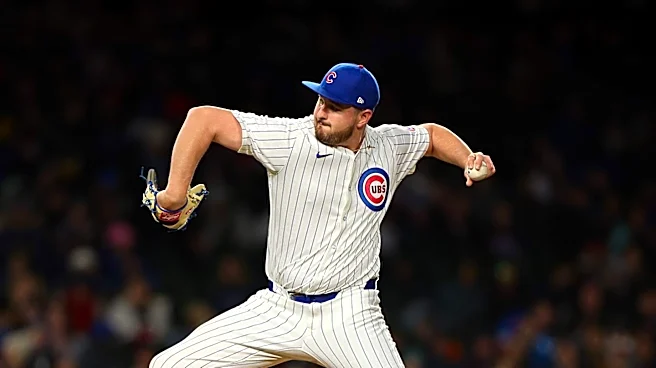
The Chicago Cubs are confronting a significant challenge in their pitching rotation as pitcher Ben Brown's health status remains uncertain, potentially requiring surgery. According to The Athletic's Sahadev Sharma, Brown, 27, has not yet resumed throwing,
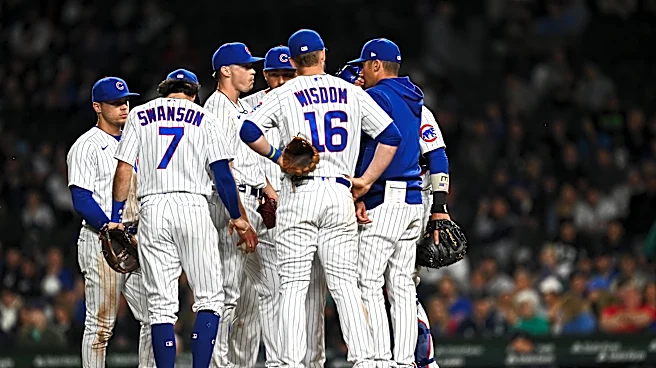
over four months after being shut down mid-season due to a recurring neck injury that also affected him in 2024. This development is particularly concerning for the Cubs, who ended the 2026 season with high expectations but saw their pitching falter. The team's lead executive, Jed Hoyer, is now tasked with revamping the starting rotation, as key pitchers like Clay Holmes, Kevin Gausman, Shota Imanaga, Matthew Boyd, David Peterson, and Colin Rea have entered free agency. Brown, who showed promise in 2026 with a 1.85 ERA over 68.0 innings, was hoped to become a reliable third or fourth starter, but his current condition casts doubt on that prospect.
Why It's Important?
This situation significantly impacts the Chicago Cubs' offseason strategy and their competitive outlook for the upcoming MLB season. With a substantial portion of their 2026 pitching staff now in free agency and a key young arm like Ben Brown facing a potentially long recovery or surgery, the team's need for starting pitching has become critical. The Cubs' previous approach of acquiring 'good but not great' solutions in the pitching market may no longer suffice, necessitating a more aggressive pursuit of long-term starters. This could lead to increased spending in the free-agent market, potentially altering the financial landscape for other MLB teams vying for top pitching talent. The team's ability to secure reliable starters will directly influence their performance and fan engagement, especially after an 'ugly end' to their 2026 season.
What's Next?
The Chicago Cubs are expected to intensify their efforts in the free-agent market to acquire starting pitchers. Given Ben Brown's uncertain health, the team will likely need to be more aggressive in their pursuit of established arms to fill the void left by departing players and to compensate for Brown's potential absence. This urgency could lead to higher contract offers for available pitchers. The Cubs' front office will need to make critical decisions regarding their investment in pitching, balancing the need for immediate impact with long-term stability. The outcome of these free agency negotiations will largely determine the strength of the Cubs' rotation for the 2027 season and their ability to contend.
Beyond the Headlines
The recurring nature of Ben Brown's neck injury highlights the inherent risks and long-term implications of player health in professional sports. For the Cubs, this situation underscores the challenge of relying on developing talent, as promising careers can be derailed by unforeseen medical issues. This also brings into focus the broader MLB trend of teams needing to manage significant financial commitments to players whose health can be unpredictable. The Cubs' response to this crisis, particularly their willingness to invest heavily in the free-agent market, could set a precedent for how teams address similar pitching shortages in the future, potentially influencing player valuations and contract structures across the league.