






What's Happening?
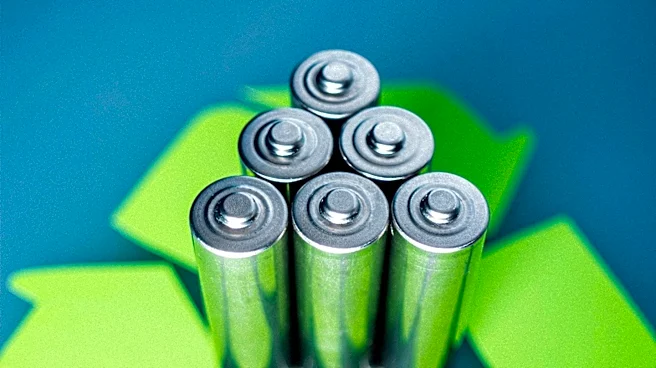
Researchers have developed a new type of supercapacitor designed to be easily disassembled and recycled, potentially reducing electronic waste. This innovation, reported in ACS Energy Letters, uses zinc ions in a water-based, nonflammable electrolyte
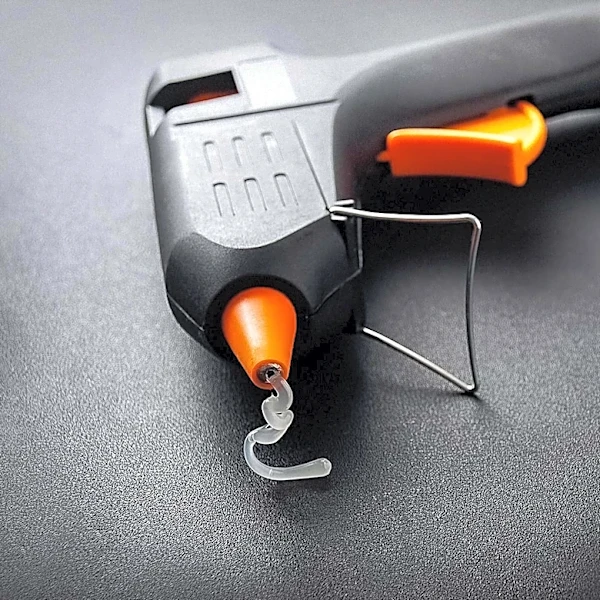
and dissolvable adhesives, allowing components to be reused. The supercapacitor was tested by powering a glider's propeller, demonstrating its effectiveness. The device can be disassembled in a mildly acidic solution, allowing for the recovery and reuse of its components. This development represents a significant step towards sustainable energy storage solutions, addressing the environmental impact of electronic waste.
Why It's Important?
The creation of a recyclable supercapacitor addresses a critical issue in the electronics industry: the growing problem of electronic waste. By enabling the reuse of components, this technology could significantly reduce the environmental footprint of electronic devices. This innovation aligns with global sustainability goals and could influence future design standards in the electronics industry. The ability to recycle energy storage devices without compromising performance could lead to broader adoption of sustainable practices, benefiting both the environment and the economy by reducing waste management costs and resource consumption.
Beyond the Headlines
This development highlights the potential for integrating sustainability into the design of electronic devices. By considering the full lifecycle of materials, researchers are paving the way for more environmentally friendly technologies. The success of this supercapacitor could inspire similar innovations across other sectors, promoting a circular economy. Additionally, this approach could lead to regulatory changes, encouraging manufacturers to adopt recyclable designs. The long-term impact could be a shift in consumer expectations, with sustainability becoming a key factor in purchasing decisions.