


What's Happening?
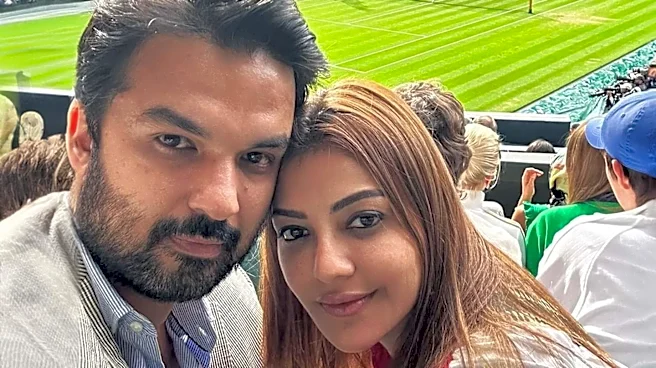
Social media influencers at the US Open have generated controversy due to disruptive behavior, including staging photoshoots during matches and breaching tennis etiquette. Despite drawing criticism from players and spectators, experts in sports media believe
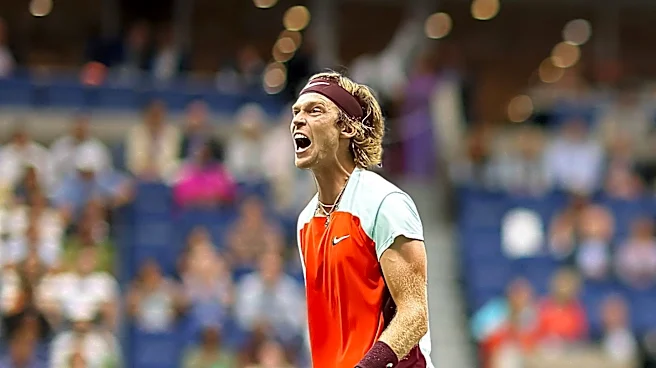
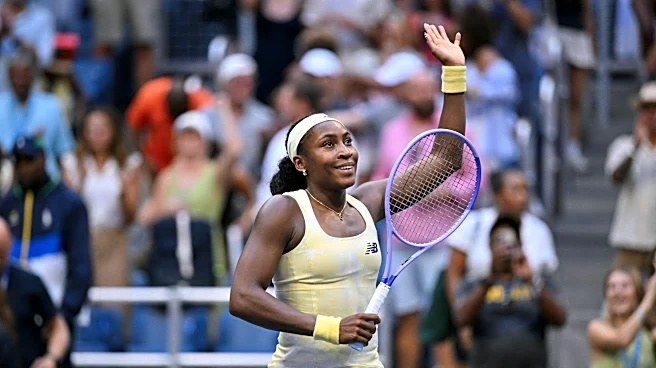
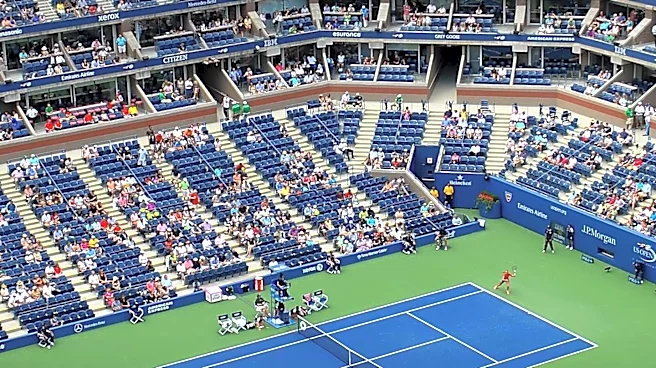
that influencers are likely to remain a permanent feature of major sports events. The US Open accredited 100 influencers this year, with 20 specifically covering the food and beverage scene. Incidents included a chair umpire reprimanding influencers during Naomi Osaka's match and another social media user posing during Madison Keys' play. Players like Osaka, Jessica Pegula, and Daniil Medvedev have expressed concerns about the disrespect and distraction caused, emphasizing the need for decorum. The US Open organizers have responded by displaying messages on court screens requesting restraint from flash photography and other lighting during play, and two incorrectly credentialed influencers had their access revoked.
Why It's Important?
The integration of influencers into major U.S. sports events like the US Open signifies a significant shift in sports marketing strategies. This trend is driven by the cost-effectiveness of influencer marketing compared to traditional advertising, with the United States Tennis Association (USTA) spending significantly less on marketing in recent years. Influencers offer access to diverse audiences that traditional media may not reach, making sports more accessible and relevant to new demographics. However, the current friction highlights a challenge in balancing marketing innovation with the integrity and traditions of the sport. The pushback from players and fans underscores the importance of maintaining a respectful environment for competition. The ongoing debate will shape how sports organizations manage the presence of digital content creators, influencing future policies on accreditation, conduct, and the overall fan experience at major U.S. sporting events.
What's Next?
Experts predict that influencers will become more mainstream and relevant in sports marketing, despite the current controversies. The challenge for tournament organizers will be to find ways to integrate influencers without compromising the competitive environment or the experience of traditional fans. This may involve developing stricter guidelines for influencer conduct, designated content creation zones, or more explicit rules regarding photography and video during play. Sports media experts suggest that marketing professionals will evaluate how best to incorporate influencers into traditional marketing frameworks, focusing on content that translates into genuine interest in the sport rather than just online engagement. Players and governing bodies will likely continue to advocate for respect for the game, potentially leading to a more structured approach to influencer involvement in future tournaments to ensure a balance between promotion and preservation of sportsmanship.
Beyond the Headlines
The presence of influencers at the US Open reflects a broader cultural shift towards digital media and the monetization of online attention. This phenomenon raises questions about the commercialization of sports and the evolving definition of 'fan engagement.' While influencers can broaden a sport's appeal, their methods can clash with established norms of sports etiquette, highlighting a generational divide in how events are consumed and experienced. The ethical implications of prioritizing online virality over the live sporting experience are also at play. This trend could lead to a re-evaluation of what constitutes 'disruption' in public spaces and how traditional institutions adapt to the demands of the digital age. Ultimately, the ongoing integration of influencers into sports will likely redefine the spectator experience, marketing strategies, and the very culture surrounding major U.S. sporting events.