






What's Happening?
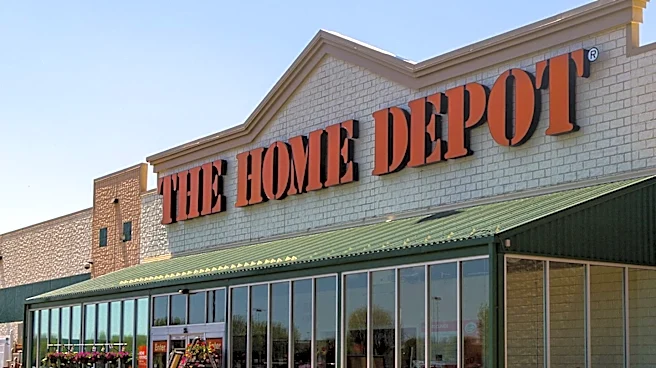
Angie Brown, Executive Vice President and Chief Information Officer of Home Depot, has stated that the company's electronic shelf labels (ESLs) will not be used to implement dynamic pricing for consumers. Home Depot is exploring a broader rollout of these
digital placards, which replace traditional paper price tags. Brown clarified that the primary purpose of ESLs for Home Depot is to improve store operations, such as accurately informing customers about product delivery times and assisting employees and delivery workers in locating items. The company has been testing ESL technology for several years, initially in the appliances section and later expanding to other departments. This clarification comes amidst growing consumer and legislative concerns regarding the potential for retailers to use ESLs to adjust prices based on factors like time of day or individual customer data.
Why It's Important?
The assurance from Home Depot's CIO is significant for consumer trust and retail transparency in the U.S. The widespread adoption of electronic shelf labels by major retailers like Walmart, Kroger, Best Buy, and Whole Foods has fueled anxieties among consumers about potential price manipulation. Dynamic pricing, where prices change rapidly based on demand or individual profiles, could lead to inconsistent pricing and erode consumer confidence. Home Depot's commitment to consistent pricing for all customers, regardless of their identity or shopping time, aims to mitigate these fears. This stance also highlights a broader industry effort to address public scrutiny, as evidenced by similar statements from Walmart and Target, and legislative actions in states like New Jersey and Maryland to regulate ESL usage.
What's Next?
Home Depot plans to continue its exploration and potential broader rollout of electronic shelf labels, focusing on operational efficiencies rather than dynamic pricing. The company will likely emphasize the benefits of ESLs for inventory management, product location, and accurate delivery information. Retailers across the U.S. will continue to navigate the balance between leveraging new technologies for efficiency and maintaining consumer trust regarding pricing practices. Legislative bodies may also continue to monitor and potentially introduce regulations concerning ESLs and dynamic pricing to protect consumers, as seen with the moratorium in New Jersey and daily price stability requirements in Maryland. Home Depot's approach could serve as a model for other retailers seeking to implement ESLs responsibly.
Beyond the Headlines
The debate surrounding electronic shelf labels and dynamic pricing touches upon fundamental ethical and economic considerations in modern retail. While ESLs offer significant operational advantages, the potential for algorithmic pricing to create personalized or fluctuating prices raises questions about fairness, equity, and consumer autonomy. The industry's proactive statements against dynamic pricing reflect an understanding of the strong public aversion to perceived price discrimination. This situation underscores the evolving relationship between technology, commerce, and consumer rights, suggesting a future where transparency in pricing will be a critical differentiator for retailers. The long-term implications could include increased demand for clear pricing policies and potentially new regulatory frameworks to ensure equitable treatment for all shoppers.