






What's Happening?
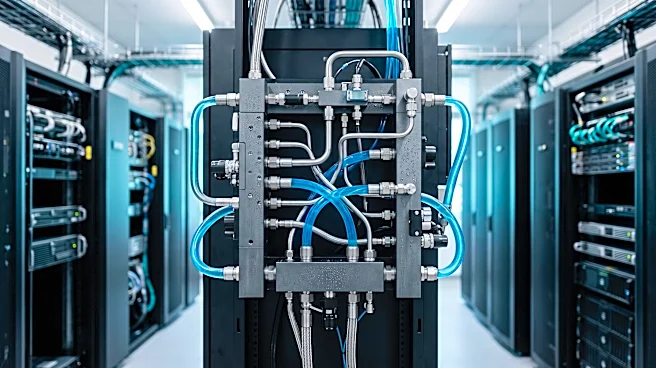
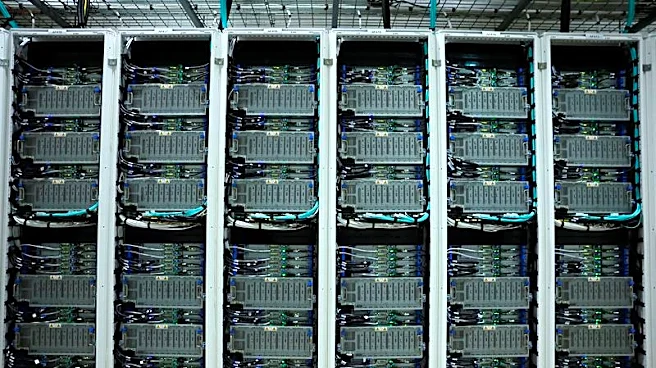
The increasing adoption of artificial intelligence (AI) is leading to a significant demand for metals such as copper and lithium, which are crucial for powering AI infrastructure. The massive use of servers and data centers required to train AI models
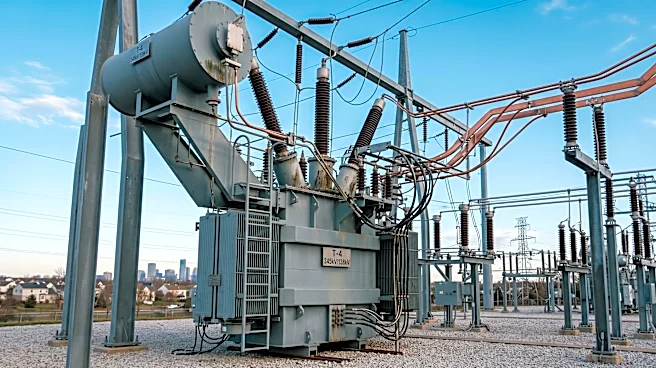
consumes substantial energy, necessitating these metals for electrical equipment manufacturing. This surge in demand is creating challenges in the supply chain, with potential material shortages that could impede technological development and delay key digital projects. The extraction of these metals is not only costly but also carries a considerable environmental impact, as mining operations generate emissions and affect ecosystems, prompting questions about the sustainability of AI's growth.
Why It's Important?
The growing demand for metals driven by AI infrastructure has significant implications for U.S. industries and environmental policy. The reliance on copper and lithium for AI development could strain global supply chains, potentially leading to increased costs and delays for technology companies. This situation highlights a critical intersection between technological advancement and resource sustainability. The environmental impact of increased mining, including emissions and ecosystem disruption, could lead to stricter regulations and greater public scrutiny, affecting mining companies and energy sectors. Furthermore, the need for sustainable solutions, such as innovation in recycling and new technologies, becomes paramount to mitigate these environmental and supply chain challenges, influencing investment and research priorities in both the tech and materials industries.
What's Next?
Addressing the challenges posed by AI's metal demand will likely involve a multi-faceted approach. Industries will need to explore and invest in sustainable solutions, including advanced recycling technologies for critical metals and the development of alternative materials. Governments and international bodies may consider policies aimed at promoting responsible mining practices and securing stable supply chains for these essential resources. Research and development efforts will intensify to find more energy- efficient AI models and hardware, potentially reducing the overall energy and material footprint. The long-term sustainability of AI's growth will depend on the ability to balance technological progress with environmental stewardship and resource availability.
Beyond the Headlines
The 'AI fever' and its associated demand for metals underscore a broader ethical and environmental dilemma. As AI becomes more integrated into daily life and various industries, the hidden costs of its physical infrastructure, particularly in terms of resource extraction and environmental degradation, become more apparent. This situation prompts a re-evaluation of the true sustainability of digital technologies. It highlights the need for a circular economy approach within the tech sector, where resource efficiency, reuse, and recycling are prioritized from the design phase. The ethical implications extend to the global distribution of environmental burdens, as many of these metals are sourced from regions that may already face significant ecological and social challenges due to mining activities. This could lead to increased calls for transparency and accountability in the AI supply chain.