





What's Happening?
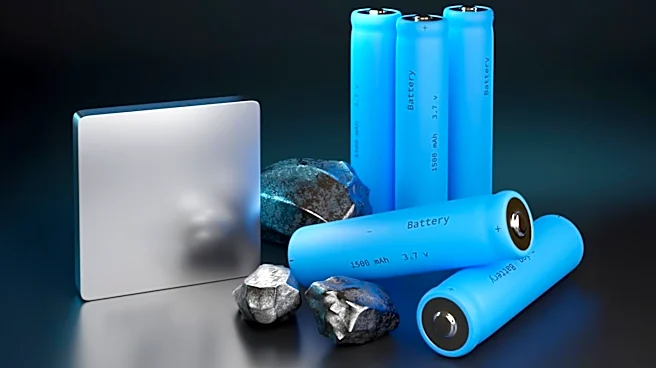
Silicon carbon batteries are emerging as a promising solution to the persistent issue of smartphone battery life. These batteries incorporate a silicon carbon and graphite anode, which significantly increases their capacity compared to traditional lithium-ion
batteries. Dr. Sayers explains that while graphite has a capacity of about 330 milliamp hours per gram, silicon offers a tenfold increase. This is due to a chemical reaction called alloying, where lithium reacts with silicon to form lithium silicon, allowing for greater lithium storage. Despite these advantages, the technology is still in its early stages, with only a small percentage of silicon carbon being used in the anode due to current physical limitations. Companies like Samsung are cautiously integrating this technology into their products, such as the Z Fold 8, to improve energy density while managing costs.
Why It's Important?
The development of silicon carbon batteries could significantly impact the smartphone industry by addressing one of its most common consumer complaints: battery degradation. With the potential to store more energy, these batteries could extend the lifespan and usability of smartphones, reducing the frequency of replacements and electronic waste. However, the high manufacturing costs associated with these batteries mean they are currently more feasible for high-end devices. As production processes improve, the technology could become more accessible, potentially transforming battery standards across various electronic devices. This shift could also influence the broader electronics market, encouraging further innovation in battery technology.
What's Next?
As silicon carbon battery technology advances, manufacturers are likely to explore ways to reduce production costs and increase the silicon content in the anode. This could lead to more widespread adoption across different types of electronic devices. Companies may also invest in research to improve the longevity of these batteries, as current models are expected to last only 1,200 charge cycles compared to the 2,000 cycles of previous lithium-ion batteries. Regulatory bodies and consumer advocacy groups may monitor these developments closely to ensure safety and performance standards are met.