






What's Happening?
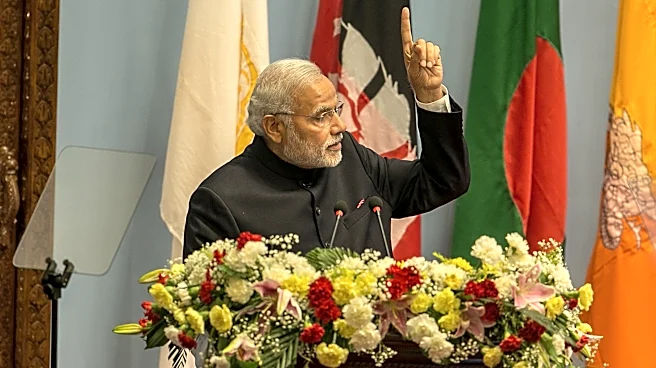
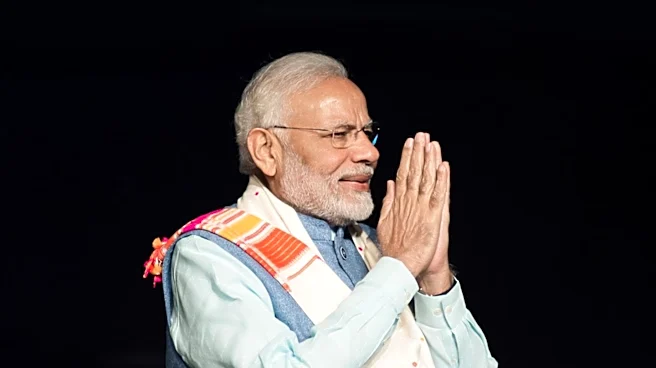
The Prime Minister of India, Shri Narendra Modi, has shared an article written by Union Minister of State Shri Prataprao Jadhav, emphasizing the importance of Ayurveda and preventive healthcare. The article, shared on the occasion of Dhanteras, advocates
for families to adopt healthier habits. These habits include mindful eating, regular Yoga, adequate sleep, and timely health screenings. The Prime Minister's Office conveyed this message via X, encouraging an investment in the health of loved ones and the creation of a healthier future for families. The initiative highlights Ayurveda's focus on health preservation and proactive health measures.
Why It's Important?
While this news directly pertains to India, it holds relevance for the U.S. in the broader context of alternative medicine and wellness trends. The promotion of Ayurveda by a national leader like Prime Minister Modi could influence global perceptions and interest in traditional health practices. For the U.S., where Ayurveda has a growing but still niche presence, such endorsements can contribute to increased public awareness and potentially impact the demand for Ayurvedic practitioners and products. It also underscores a global shift towards preventive healthcare, a concept that resonates with ongoing discussions in the U.S. healthcare system regarding wellness and reducing chronic disease burdens. This could lead to more cross-cultural exchanges in health philosophies and practices.
What's Next?
The continued promotion of Ayurveda and preventive healthcare by influential figures could lead to increased interest and adoption of these practices globally, including in the U.S. This might manifest as a rise in demand for Ayurvedic services, educational programs, and related products. Healthcare providers and wellness industries in the U.S. might observe a growing public curiosity about integrating traditional Indian health principles into modern lifestyles. Furthermore, this emphasis on preventive care could fuel discussions within U.S. public health circles about incorporating holistic approaches into national health strategies, potentially influencing policy debates around wellness and alternative therapies.
Beyond the Headlines
The promotion of Ayurveda by the Indian Prime Minister touches upon deeper cultural and philosophical implications. It highlights the enduring value of traditional knowledge systems in contemporary society and their potential role in addressing modern health challenges. For the U.S., this could spark conversations about the integration of diverse healing traditions into a predominantly Western medical framework. It also raises questions about the standardization and regulation of alternative medicine practices, as there is no national standard for certifying Ayurvedic practitioners in the U.S. This development could encourage a re-evaluation of how different cultures approach health, well-being, and the balance between traditional wisdom and scientific advancements.