
What's Happening?
A group of Brigham Young University (BYU) students recently presented a unique art exhibit titled 'Rest Stop' at Will's Canyon Stop, a gas station in Orem, Utah. The exhibition, which ran from August 3 to 8, aimed to highlight the often-overlooked cultural
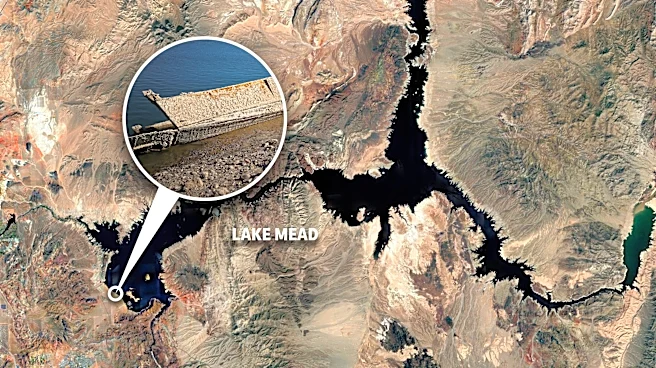
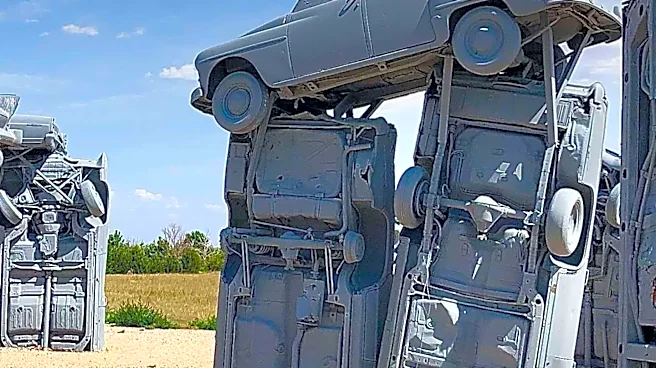
significance of gas stations as modern-day 'rest stops.' Art professor Madeline Rupard conceived the idea after frequenting the gas station and observing its role as a community gathering point. The students, guided by Rupard and fellow professor Christopher Lynn, undertook a road trip from Boise to Las Vegas to study art theorists Jean Baudrillard and Dave Hickey's perspectives on the American West, visiting various art installations and historical sites along the way. This immersive experience informed their creative process, leading to a multidisciplinary show that incorporated ordinary materials and explored themes related to gas station commodities and the concept of travel rest stops. The exhibit attracted over 600 visitors, many of whom were unexpected patrons stopping for gas.
Why It's Important?
This art exhibition is important because it challenges traditional notions of where art can be displayed and experienced, making it accessible to a broader public beyond conventional galleries. By situating the 'Rest Stop' show in a gas station, the BYU students and their professors democratized art, allowing individuals who might not typically visit an art gallery to engage with creative works. This approach fosters a unique interaction between art and everyday life, prompting viewers to reconsider the cultural and social significance of common spaces like gas stations. The project also provided students with practical experience in curating, marketing, and producing an art show, pushing their artistic boundaries and encouraging them to think about art's impact in diverse settings. The success of the exhibit, measured by the high visitor count and positive reactions, demonstrates the potential for innovative art installations to connect with communities and spark new conversations about art's role in society.
What's Next?
Professor Madeline Rupard has expressed hope that the students will have the opportunity to recreate their 'Rest Stop' art show at a different gas station in the future. This suggests a potential continuation of the project, allowing more communities to experience this unconventional art display. Such future iterations could further refine the concept, explore new themes related to travel and public spaces, and provide additional learning opportunities for students. The success of the initial show may also inspire other art programs or independent artists to consider non-traditional venues for their exhibitions, potentially leading to a broader trend of public art integration in unexpected locations. Continued engagement with local businesses and communities would be crucial for future projects, building on the positive reception and community involvement seen in Orem.
Beyond the Headlines
The 'Rest Stop' art show delves into deeper implications regarding the perception of ordinary spaces and the accessibility of art. Ethically, it raises questions about who art is for and how it can be made more inclusive, moving beyond the often-exclusive confines of traditional art institutions. Culturally, the exhibit recontextualizes the gas station, transforming it from a purely utilitarian space into a site for reflection and artistic expression, thereby challenging societal norms about what constitutes a 'worthy' subject or venue for art. This initiative also highlights the long-term shift towards experiential art and public engagement, where the interaction between the viewer and the artwork in an unconventional setting becomes a significant part of the artistic experience. It underscores the idea that art can be found and appreciated in the mundane, fostering a greater sense of connection between people, places, and creative expression.