







What's Happening?
On September 29, the Park Ridge Planning and Zoning Commission voted against a proposal for a new hotel near the Uptown area. The vote was five-to-two, with Chairman James Hanlon abstaining. The proposed project, spearheaded by Andrew Nast of Victory
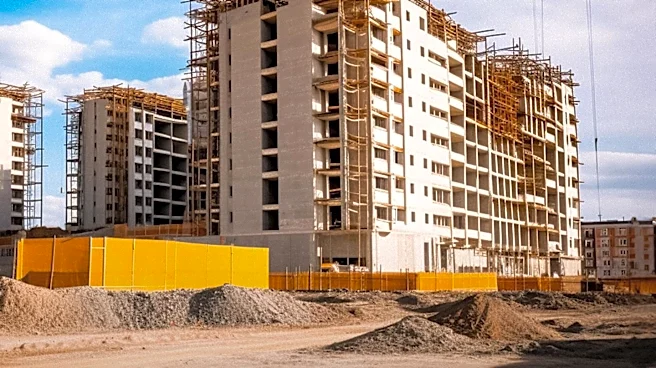
Grounds, involved a 90-room boutique hotel with commercial space and residential properties, intended to replace nine existing cottages, some over a century old, along West Touhy, Third, and Garden streets. This is not the first iteration of the project; it was initially presented last winter but withdrawn due to board objections and has since been redesigned multiple times. Despite the commission's negative recommendation, the project is not definitively dead and can still be brought before the Park Ridge City Council for consideration. A 'no' vote from the commission serves as a recommendation, not a prohibition, and also grants the petitioner the right to a re-hearing. The project would require two separate votes from the city council: one for rezoning and another for the hotel's approval.
Why It's Important?
This decision highlights the ongoing tension between urban development and community character in suburban areas like Park Ridge. The developer, Andrew Nast, argues that a boutique hotel would fill a gap in the city's offerings, attracting events like weddings and providing an alternative to airport hotels, potentially boosting local commerce and tax revenue. However, the commission's rejection underscores concerns about density and the impact on existing residential areas. Commissioners expressed that the proposed five-story luxury hotel with a subterranean parking garage was too dense and too close to single-family homes, representing an abrupt transition from low-density residential to heavy commercial use. While some commissioners acknowledged the city's limited space for growth and the potential benefits of a hotel, the overwhelming sentiment was that the project's scale was inappropriate for its location, particularly given its proximity to established neighborhoods. This reflects a broader challenge faced by many U.S. municipalities in balancing economic development with preserving neighborhood aesthetics and quality of life.
What's Next?
Despite the Park Ridge Planning and Zoning Commission's negative recommendation, the hotel proposal is expected to proceed to the Park Ridge City Council for a final decision. The project could be presented to the City Council as early as October. The developer, Andrew Nast, has the option for a re-hearing with the commission, though the immediate path appears to be a direct appeal to the City Council. The City Council will need to consider two separate votes: one on rezoning the land to accommodate the project and another on the approval of the hotel itself. Major stakeholders, including local residents, business owners, and the developer, will likely continue to advocate for their respective positions as the project moves through the municipal approval process. The outcome will set a precedent for future development projects in Park Ridge, particularly those that propose significant changes to existing land use and density.
Beyond the Headlines
The debate surrounding the Park Ridge hotel proposal touches on several deeper implications beyond the immediate development. Ethically, it raises questions about the balance between private development interests and the collective desire for community preservation. The commission's concerns about density and the project's impact on the character of the neighborhood reflect a broader societal discussion about urban sprawl versus compact development, and how to manage growth without sacrificing local identity. Legally, the process highlights the power dynamics between planning commissions, developers, and city councils, where recommendations can be overridden by higher municipal bodies. Culturally, the resistance to the hotel project, despite its potential economic benefits, suggests a strong community attachment to the existing residential fabric and a reluctance to embrace rapid commercialization, especially when it encroaches on established living spaces. This scenario is a microcosm of the ongoing struggle in many American towns to modernize and grow while retaining their unique charm and livability.