




What's Happening?
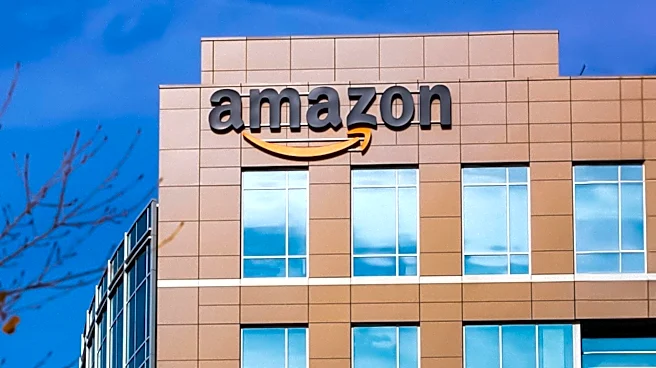
Amazon is attempting to continue its lawsuit against Perplexity AI, the developer of the AI web browser Comet, in a lower court after a Ninth Circuit panel rejected earlier findings. Senior U.S. District Judge Maxine Chesney is presiding over the case,
which revolves around Amazon's claims that Comet violates the U.S. Computer Fraud and Abuse Act by accessing its platform. Previously, Judge Chesney had indicated Amazon would likely succeed, but the Ninth Circuit ruled she erred in her interpretation of 'without authorization' or 'exceeding authorized access,' stating that it is the user, not Comet, who accesses Amazon's computers. Amazon's attorney, Hagan Scotten, argued that new facts have emerged since the Ninth Circuit's ruling, including a new version of Comet and instances of Perplexity employees testing the tool on Amazon. Scotten also contended that the appeals court misunderstood Comet's functionality, asserting that the AI tool can initiate purchases on Amazon without explicit user direction to do so.
Why It's Important?
This legal battle has significant implications for the burgeoning field of AI assistants and their interaction with established online platforms. The core issue revolves around who is considered the 'accessor' when an AI tool facilitates user actions on a third-party website. The Ninth Circuit's previous ruling emphasized user agency, suggesting that if a user grants access, the AI tool is merely an intermediary. However, Amazon's argument that Comet can act independently to initiate actions on its platform challenges this interpretation, potentially redefining the boundaries of authorized access in the age of AI. The outcome could set a precedent for how AI tools are allowed to interact with e-commerce sites, impacting consumer privacy, data security, and the competitive landscape for online shopping assistants. It also highlights the ongoing legal challenges in adapting existing laws to new technological paradigms.
What's Next?
Judge Chesney has granted Perplexity's request for a stay in discovery, allowing her time to consider a dismissal motion. This indicates a period of deliberation as the court grapples with applying the Ninth Circuit's ruling to the new arguments presented by Amazon. The court will need to determine if the 'new facts' presented by Amazon, particularly regarding Comet's updated functionality and alleged independent actions, sufficiently differentiate the current case from the Ninth Circuit's previous findings. A key point of contention will be whether Comet acts as a mere agent of the user or as an independent entity violating Amazon's terms. The decision will likely influence how other AI developers design their tools to interact with online services and how platforms like Amazon protect their digital ecosystems from automated access.
Beyond the Headlines
The case delves into complex legal and ethical questions surrounding AI autonomy and user consent. Amazon's assertion that Perplexity is a 'rogue actor' violating its restrictions on AI tools underscores the tension between platform control and the innovation driven by AI developers. If AI tools can initiate actions without explicit user instruction for each step, it raises concerns about accountability and the potential for unintended consequences, such as unauthorized purchases or data scraping. This legal dispute could force a re-evaluation of existing computer fraud laws in the context of advanced AI, potentially leading to new regulations or industry standards for AI agent behavior. The outcome will not only affect Amazon and Perplexity but also influence the broader development and deployment of AI-powered services that interact with user accounts and online platforms.