





What's Happening?
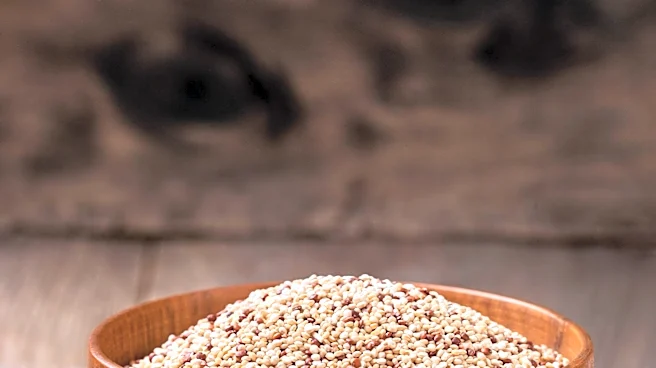
Quinoa has been confirmed as a low FODMAP food at standard serving sizes, according to testing by Monash University. Cooked quinoa is listed as low FODMAP up to a 1 cup (155 g) serving. This grain contains no fructans, galacto-oligosaccharides (GOS),
excess fructose, or polyols in significant amounts, making it a suitable option for individuals following a low FODMAP elimination protocol. The FODMAP status is tied to the serving size, and all three color varieties of quinoa (white, red, black) are considered low FODMAP below the Monash-tested threshold. The friendliness of quinoa is for the plain grain; adding high-FODMAP liquids or ingredients like cow's milk, honey, garlic, or onion will reintroduce FODMAPs from those additions, not from the quinoa itself. Large portions exceeding 1 cup cooked are untested by Monash, meaning no data exists for their FODMAP content.
Why It's Important?
This confirmation is significant for individuals in the U.S. managing Irritable Bowel Syndrome (IBS) or other digestive sensitivities. Quinoa's low FODMAP status provides a versatile and nutritious whole grain option that can replace high-FODMAP alternatives like wheat couscous, barley, and rye. Its natural gluten-free property also benefits those with concurrent gluten sensitivity, simplifying dietary management. The clarity on serving sizes and the impact of additional ingredients helps consumers make informed choices, reducing anxiety around meal preparation. This allows for a more varied and balanced diet, which is crucial for long-term adherence to a restrictive eating plan and overall nutritional well-being. The ability to incorporate a staple like quinoa without significant digestive distress can greatly improve the quality of life for many.
What's Next?
Individuals on a low FODMAP diet can confidently include cooked quinoa in their meals, adhering to the recommended serving size of up to 1 cup. It is important to cook quinoa in water or other low FODMAP liquids and to be mindful of high-FODMAP add-ins. Consumers should also note that quinoa flakes, flour products, and hydrolyzed quinoa may have different FODMAP ratings and should be checked individually. For those who experience bloating even with low FODMAP quinoa, it's advised to rinse the grain thoroughly before cooking to remove saponins, which can irritate a sensitive gut, and to gradually increase fiber intake. Consulting with a healthcare professional or registered dietitian is recommended for personalized guidance on incorporating quinoa and managing digestive symptoms.
Beyond the Headlines
The detailed FODMAP testing of quinoa underscores the scientific rigor applied to dietary recommendations for digestive health. It highlights that 'low FODMAP' is a chemical composition fact based on laboratory analysis of specific serving sizes, rather than a guarantee of symptom relief for every individual, as IBS triggers vary. This distinction is crucial for managing expectations and promoting a personalized approach to diet. The information also encourages a deeper understanding of food components beyond general categories, emphasizing that processing and preparation can alter a food's FODMAP content. This scientific approach empowers individuals to become more discerning about their food choices and to work collaboratively with healthcare providers to fine-tune their diets for optimal digestive comfort and overall health.