
What's Happening?
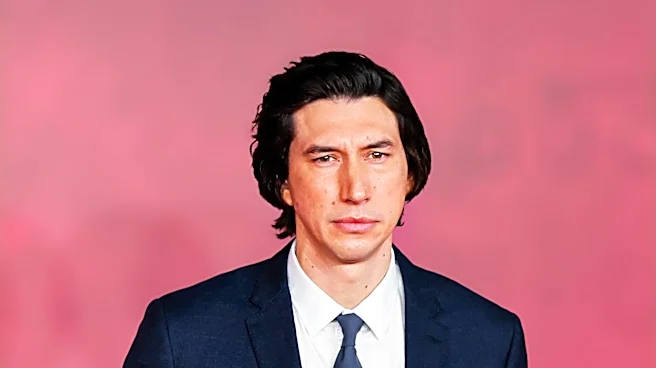
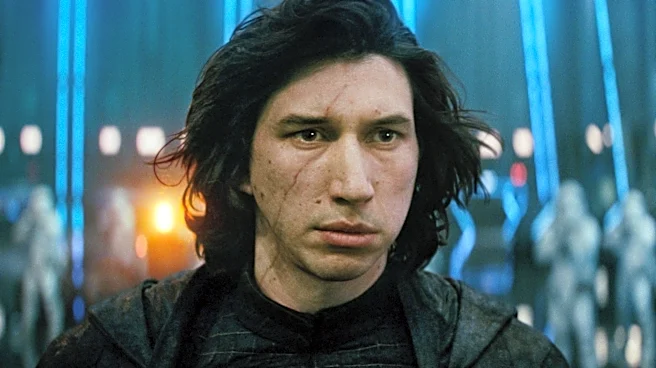
Actor Adam Driver and director Steven Soderbergh spent two and a half years developing a standalone 'Star Wars' film titled 'The Hunt for Ben Solo,' focusing on Driver's character, Kylo Ren/Ben Solo. According
to Driver, then-Lucasfilm president Kathleen Kennedy had assured them of '100 percent approval' from Disney, leading them to work on the project without pay. The team, including screenwriter Rebecca Blunt, aimed to create an inexpensive film to maintain creative control. However, when the screenplay was presented to Disney executives Bob Iger and Alan Bergman, the project was rejected. The primary reason cited for the refusal was the executives' inability to reconcile Ben Solo's return, given his presumed death in the 2019 film 'Star Wars: The Rise of Skywalker.' Soderbergh confirmed that the film's budget was never even discussed, as the project was halted solely on the narrative point of Ben Solo's survival.
Why It's Important?
This decision by Disney executives highlights the significant creative control and financial power held by major studios over their intellectual properties, particularly established franchises like 'Star Wars.' The rejection of a project developed by acclaimed talents like Driver and Soderbergh, even with initial Lucasfilm support, underscores the challenges filmmakers face when their creative visions clash with corporate directives. For 'Star Wars' fans, this means a potential storyline exploring a beloved character's fate will not come to fruition, impacting the narrative expansion of the universe. The incident also raises questions about the autonomy of creative teams within large media conglomerates and the perceived risk aversion of studios when it comes to altering established character arcs, especially after a definitive on-screen conclusion.
What's Next?
Following the rejection, Adam Driver has indicated that the 'ship has sailed' for 'The Hunt for Ben Solo,' and he has no interest in trying to revive the project. Both Driver and Soderbergh have expressed their disappointment, with Soderbergh noting that he had already 'made the movie in his head.' The director has since moved on to other projects. This outcome suggests that future 'Star Wars' content will likely adhere strictly to established canonical events, particularly regarding character fates, unless a compelling and studio-approved narrative explanation for their return can be devised. The incident may also influence how filmmakers approach developing projects within major franchises, potentially leading to more upfront discussions about creative boundaries and character continuity with studio executives.
Beyond the Headlines
The rejection of 'The Hunt for Ben Solo' delves into the broader implications of fan expectations versus corporate storytelling in long-running franchises. Ben Solo's character, as Kylo Ren, garnered a significant following, and the idea of his return could have offered a unique narrative path for the 'Star Wars' universe. However, Disney's decision reflects a cautious approach to continuity, prioritizing the perceived integrity of the established timeline over exploring alternative character arcs. This situation could set a precedent for how studios manage character deaths and resurrections in their major franchises, potentially limiting creative freedom in favor of maintaining a clear, unambiguous narrative. It also underscores the tension between artistic vision and commercial viability, where the latter often dictates the final outcome in large-scale productions.