




What's Happening?
The debate over the accuracy of heart rate monitors continues, with chest straps often being favored over smartwatch sensors. The Coospo H9Z chest strap is highlighted for its accuracy and affordability, featuring a rechargeable battery lasting up to 50
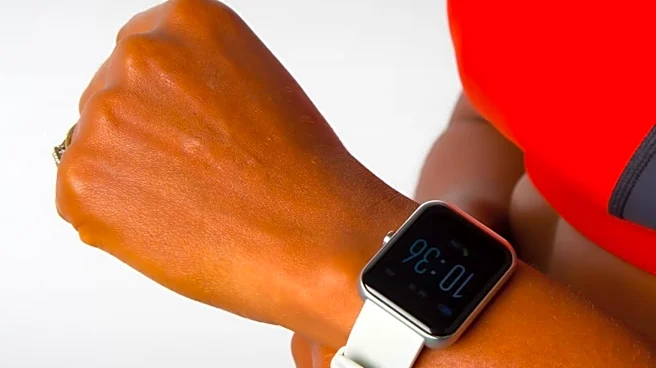
hours. While smartwatches like Garmin and Apple Watch have improved in accuracy, they may still fall short during intense workouts compared to chest straps. Chest straps measure electrical signals directly from the heart, providing more accurate readings, whereas smartwatches use optical sensors that can be less reliable during rapid heart rate changes. Despite their accuracy, chest straps can be uncomfortable, especially in colder weather.
Why It's Important?
The accuracy of heart rate monitors is crucial for athletes and fitness enthusiasts who rely on precise data to optimize their training and recovery. Inaccurate readings can lead to misjudgments in effort and performance, potentially affecting training outcomes. The preference for chest straps over smartwatches highlights the ongoing demand for reliable fitness technology. This trend could influence the development and marketing strategies of wearable tech companies, pushing them to enhance the accuracy of their devices. Consumers benefit from having more accurate tools to monitor their health and fitness, potentially leading to better health outcomes.
What's Next?
As technology advances, smartwatch manufacturers may continue to improve the accuracy of their optical sensors to compete with chest straps. This could lead to innovations in sensor technology and design, making smartwatches more appealing to serious athletes. Additionally, the market for heart rate monitors may see increased competition, driving prices down and making these devices more accessible to a broader audience. Companies might also explore hybrid solutions that combine the comfort of smartwatches with the accuracy of chest straps.
Beyond the Headlines
The preference for chest straps over smartwatches raises questions about consumer priorities in wearable technology. While convenience and comfort are significant factors, accuracy remains a top priority for many users. This trend could lead to a shift in how companies approach the design and functionality of fitness wearables, potentially prioritizing accuracy over other features. The ongoing debate also highlights the importance of consumer education on the capabilities and limitations of different heart rate monitoring technologies.