




What's Happening?
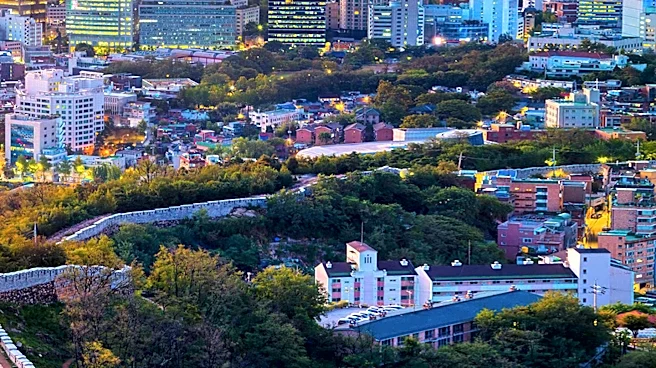
North Jeolla Province, also known as Jeonbuk State, has announced its intention to independently pursue hosting the 2036 Summer Olympics. This decision comes after discussions with Seoul regarding a potential joint proposal for the International Olympic Committee’s
Future Host Commission concluded without an agreement. North Jeolla Governor Lee Won-taeg and Seoul Mayor Oh Se-hoon met recently and decided to end talks on co-hosting. The province stated on Monday that it is now making every effort to prepare for its virtual presentation to the commission, which is scheduled to take place later this month. The International Olympic Committee recently reconfirmed a list of seven countries interested in hosting the 2036 Olympic Games, including South Korea, Germany, Hungary, India, Qatar, South Africa, and Türkiye.
Why It's Important?
The independent bid by North Jeolla Province for the 2036 Summer Olympics highlights the growing ambition of regional entities to host major international events. This move could bring significant economic development and global recognition to the province, potentially attracting investment in infrastructure, tourism, and local industries. For the U.S., the location of the Olympic Games can have various implications, including opportunities for American businesses in construction, hospitality, and media, as well as cultural exchange. The decision to proceed independently also reflects a strategic shift, where regional governments are increasingly asserting their capabilities on the international stage. The success or failure of this bid could set a precedent for how future Olympic host cities are selected and the role of regional versus national bids.
What's Next?
North Jeolla Province will now focus on preparing its virtual presentation for the International Olympic Committee’s Future Host Commission, which is expected to occur later this month. This presentation will be a critical step in showcasing the province's capabilities and vision for hosting the 2036 Summer Olympics. The IOC will evaluate all interested countries and their proposals, eventually narrowing down the candidates. The process will involve further detailed bids, inspections, and negotiations over the coming years. The U.S. Olympic Committee and various American sports organizations will closely monitor these developments, as the host city selection directly impacts their planning and participation in the Games. The outcome will also influence global sports marketing and sponsorship opportunities.
Beyond the Headlines
The pursuit of hosting the Olympic Games by a regional entity like North Jeolla Province, rather than a national capital, raises interesting questions about decentralization and regional branding in global events. It could signify a trend where smaller, yet ambitious, regions seek to leverage major events for their own development and international profile. This approach might offer a more sustainable model for hosting the Olympics, potentially distributing economic benefits more broadly and reducing the burden on a single metropolitan area. However, it also presents challenges in terms of infrastructure, funding, and international recognition compared to bids from well-known capital cities. The success of North Jeolla's independent bid could inspire other regions globally to consider similar endeavors, reshaping the landscape of future major sporting event hosting.