





What's Happening?
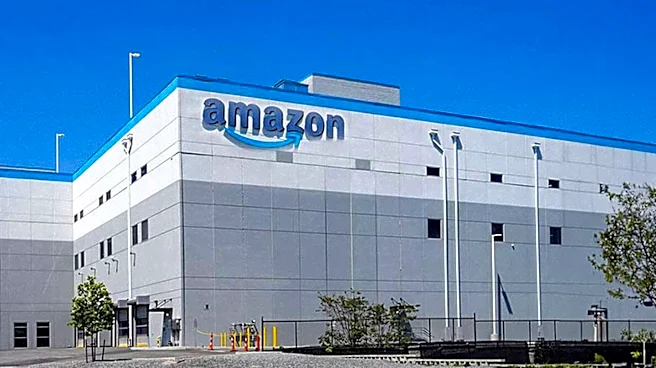
Following a Supreme Court ruling that invalidated many of President Trump's tariffs, companies are receiving substantial refunds, leading to disputes over whether these should be shared with consumers. Amazon has committed to issuing refunds to customers
who were directly affected by tariff-related price increases. However, other companies, such as Apple and Nintendo, have not made similar commitments, arguing that consumers agreed to price increases at the time of purchase. The Tariff Relief for Consumers Act, proposed by Representatives Rosa DeLauro and Frank Mrvan, seeks to mandate that companies receiving over $5 million in refunds pass these savings to consumers.
Why It's Important?
The distribution of tariff refunds has significant implications for consumer rights and corporate responsibility. The refunds represent a substantial financial windfall for companies, but the debate over sharing these with consumers highlights broader issues of fairness and transparency in pricing. The situation underscores the impact of trade policies on everyday consumers and raises questions about corporate accountability. The outcome of this dispute could set precedents for how companies handle similar situations in the future, affecting consumer trust and corporate reputations.
What's Next?
As companies continue to receive refunds, pressure from consumers and lawmakers may increase, potentially leading to legal challenges or legislative action. The proposed Tariff Relief for Consumers Act could gain traction, influencing corporate policies on refund distribution. Companies may face reputational risks if they are perceived as prioritizing profits over consumer interests. The ongoing debate will likely prompt further scrutiny of corporate practices and could lead to changes in how companies communicate pricing strategies to consumers.