



What's Happening?
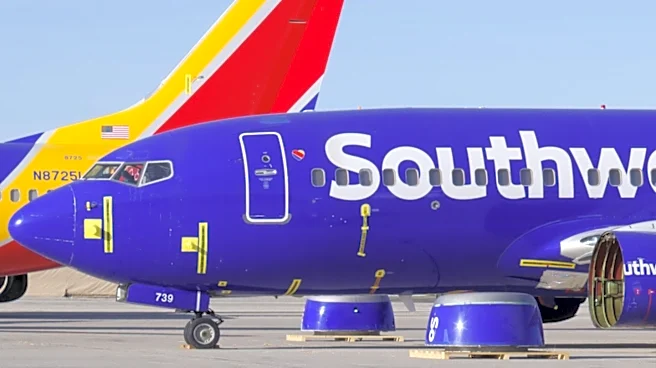
Southwest Airlines is making a significant investment of $53 million to establish its inaugural airport lounge network. This strategic move aims to attract premium flyers and enhance the overall customer experience. The initial phase will see lounges
opening in late 2027 at four key airports: Austin-Bergstrom International Airport, Baltimore/Washington International Thurgood Marshall Airport, Daniel K. Inouye International Airport in Honolulu, and Nashville International Airport. Following this, Southwest plans to introduce at least seven more lounge locations in subsequent years, indicating a broader expansion strategy. This initiative marks a notable departure for Southwest, which has historically operated on a low-cost model, focusing primarily on affordable air travel and simplified services. The airline's decision to enter the lounge market positions it to compete more directly with legacy carriers that traditionally offer premium amenities, international connectivity, and enhanced airport services.
Why It's Important?
This development is important as it signifies a major shift in the competitive landscape of the U.S. airline industry, particularly among low-cost carriers. Southwest Airlines, known for its value-focused approach, is now directly addressing the evolving expectations of modern travelers who increasingly prioritize the complete journey experience beyond just ticket price. By investing in airport lounges, Southwest aims to increase loyalty program engagement, provide additional value for premium credit card partnerships, and enhance its appeal among frequent travelers. This move could lead to greater differentiation against competing airlines and open new opportunities for customer experience branding. For passengers, it means more choices and potentially improved comfort during their pre-flight experience, including access to quieter environments, workspaces, and refreshments. This strategy also reflects a broader industry trend where airlines are seeking to generate additional revenue streams through ancillary services and premium upgrades, moving beyond sole reliance on ticket sales.
What's Next?
The first four Southwest Airlines lounges are scheduled to open in late 2027. Following this initial launch, the airline has confirmed plans for at least seven additional lounges in the years that follow, indicating a sustained commitment to this new premium service offering. Southwest will be partnering with Chase for the lounge network, integrating features inspired by the Chase Sapphire Reserve Lounge Network, which suggests a focus on sophisticated design and locally inspired dining. The success of these initial lounges will likely influence the pace and scope of future expansions. Other low-cost carriers, such as JetBlue Airways, have already ventured into the premium lounge market with their 'BlueHouse' concept, and their experiences may offer insights for Southwest. The airline will be closely monitoring passenger demand and the balance between investment costs and additional revenue generated from these premium facilities.
Beyond the Headlines
The entry of Southwest Airlines into the airport lounge market highlights a deeper transformation within the aviation industry, blurring the traditional lines between 'budget' and 'premium' airlines. This trend suggests that airlines are increasingly recognizing the importance of the entire travel ecosystem, not just the flight itself, in attracting and retaining customers. It reflects a shift in consumer behavior where travelers are willing to pay for enhanced comfort and convenience, even from carriers historically known for their low fares. This could lead to a more segmented market where passengers can customize their travel experience by choosing different levels of service. Ethically, it raises questions about accessibility and whether premium amenities will become a standard expectation, potentially creating a two-tiered system within low-cost travel. Culturally, it signifies a move towards a more 'experience-driven' travel paradigm, where the journey is as valued as the destination. This evolution could also impact airport infrastructure planning, as terminals adapt to accommodate more premium facilities and manage passenger flow for diverse service offerings.