




What's Happening?
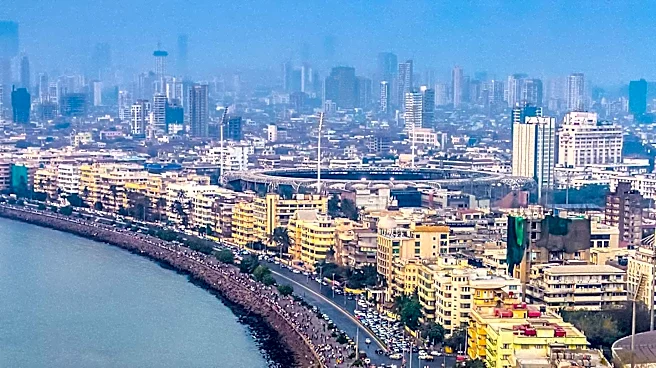
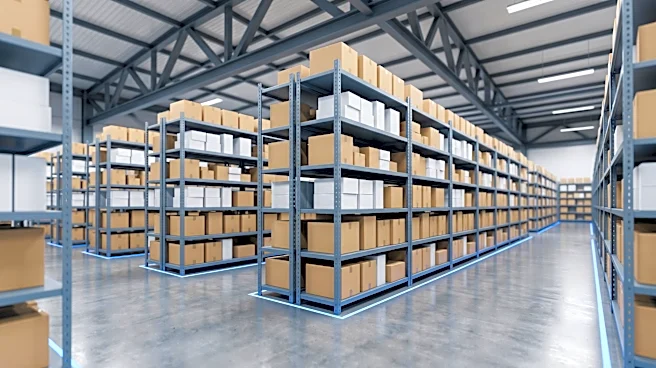
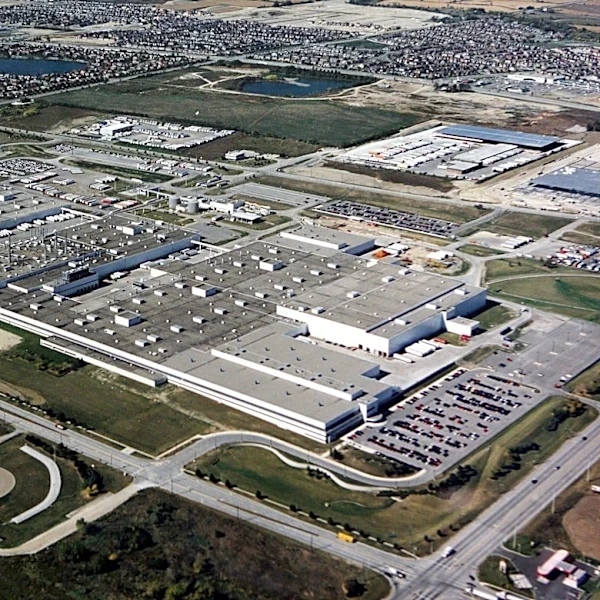
Amazon CEO Andy Jassy recently visited a 3,500 sq ft Amazon Now fulfillment center in Mumbai's Kala Ghoda, a stark contrast to the 800,000 sq ft warehouses typically found in the U.S. This visit highlighted India's burgeoning quick commerce market, where
consumer demand for rapid deliveries is reshaping operational strategies for even the largest e-commerce companies. Jassy expressed surprise at the feasibility of establishing such a compact fulfillment center in a dense urban area like Mumbai. Lessons learned from Amazon Now's operations in India are now being applied to expand quick commerce initiatives globally. Amazon Now has achieved over $1 billion in annualized gross sales, marking a significant milestone in a market with established quick commerce players like Blinkit, Zepto, and Swiggy Instamart.
Why It's Important?
This development is significant for Amazon's global strategy, particularly in its efforts to penetrate and adapt to diverse international markets. India's quick commerce model, characterized by smaller, urban-centric fulfillment centers and rapid delivery, offers valuable insights that can inform Amazon's approach to last-mile delivery and urban logistics worldwide. By successfully adapting to the unique demands of the Indian market, Amazon can refine its operational efficiencies and customer service models, potentially leading to faster and more localized delivery options in other densely populated regions. The success of Amazon Now in India demonstrates the company's ability to innovate and compete in highly competitive environments, which is crucial for its continued growth and market leadership in the global e-commerce sector.
What's Next?
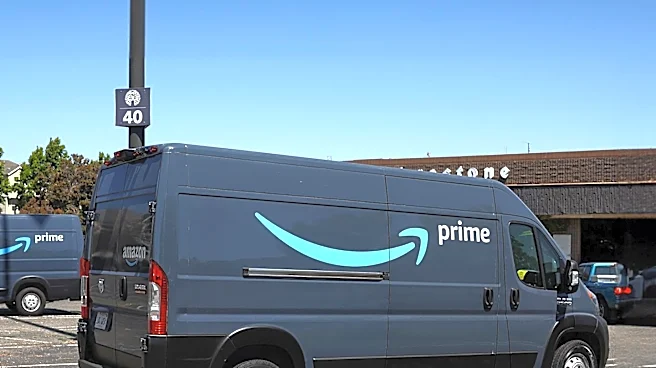
Amazon is expected to leverage the operational insights and successes from its Amazon Now business in India to enhance its quick commerce capabilities in other international markets and potentially within the U.S. This could involve developing more compact, strategically located fulfillment centers in urban areas to facilitate faster deliveries. The company will likely continue to invest in its logistics network and technology to support these rapid delivery models. The competition in the quick commerce sector, both in India and globally, is intense, and Amazon's adaptation strategies will be crucial for gaining market share. Further expansion of Amazon Now's services and the integration of its learnings into Amazon's broader delivery infrastructure are anticipated.
Beyond the Headlines
The adaptation of Amazon's logistics model to India's quick commerce market highlights a broader trend in global retail: the increasing demand for instant gratification and hyper-localized services. This shift challenges traditional large-scale warehousing models and necessitates a more agile, urban-integrated supply chain. The implications extend to urban planning, infrastructure development, and local economies, as e-commerce giants seek to establish smaller, more numerous distribution points within cities. This could lead to increased traffic, demand for urban real estate, and changes in local employment patterns. Furthermore, the success of quick commerce models raises questions about sustainability and the environmental impact of frequent, small-batch deliveries, prompting a need for innovative solutions in eco-friendly logistics.