






What's Happening?
A red light face mask, primarily marketed for skincare, is being used by an individual to establish a consistent bedtime routine, leading to perceived improvements in sleep quality. The user reports that the mask helps them disengage from screens and
wind down, contributing to falling asleep faster and achieving deeper sleep stages. While the mask's red light is associated with relaxation and some limited research suggests it may influence melatonin secretion and improve self-reported sleep quality, a double-boarded sleep medicine specialist, Dr. Chris Winter, cautions that it is not a proven sleep treatment. He views its benefit as potentially stemming from the relaxing routine it facilitates, rather than the light itself. The mask's independence from smartphone apps is highlighted as a key factor in creating a phone-free bedroom environment, which aids in winding down before sleep.
Why It's Important?
The increasing reliance on technology and exposure to blue light from screens before bedtime is a significant concern for public health, impacting sleep quality across the U.S. This story highlights a personal approach to mitigating these effects by integrating a non-screen-dependent gadget into a nightly routine. While the red light mask itself isn't scientifically proven for sleep, its role in fostering a consistent wind-down period underscores the importance of behavioral changes for sleep hygiene. For consumers, this raises awareness about the distinction between anecdotal benefits and scientifically validated treatments, encouraging a critical perspective on health gadgets. For the wellness and tech industries, it points to a market demand for tools that help users disconnect and establish healthier pre-sleep habits, even if their primary function isn't sleep-related.
What's Next?
As awareness of sleep health grows, consumers may continue to explore various gadgets and routines to improve their sleep. The market for sleep-related products, including those that aid in relaxation and screen-free winding down, is likely to expand. However, the emphasis from medical professionals like Dr. Winter on the importance of a consistent, relaxing routine over specific unproven technologies suggests a continued need for evidence-based solutions. Future developments may include more rigorous scientific studies on the effects of red light therapy on sleep, as well as the development of new products that are specifically designed to facilitate healthy sleep routines without relying on unverified claims. Individuals struggling with sleep are encouraged to consult sleep experts for personalized, proven strategies.
Beyond the Headlines
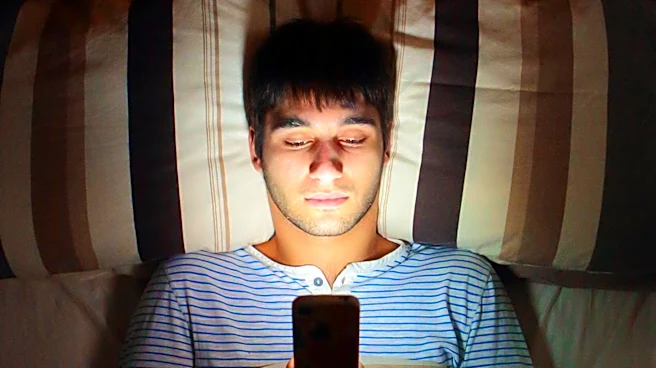
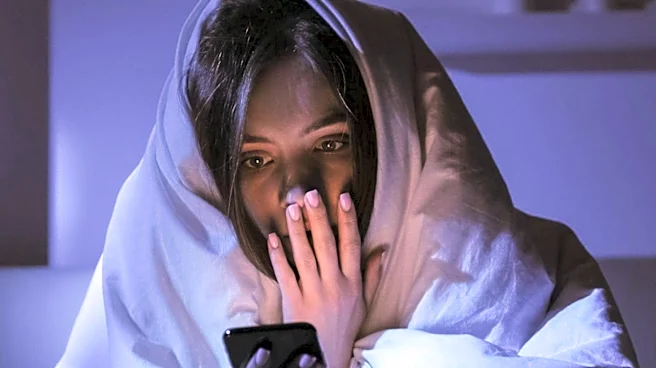
This narrative touches upon the broader societal challenge of digital dependency and its impact on well-being. The act of using a red light mask to replace 'doomscrolling' illustrates a conscious effort to reclaim pre-sleep time from digital distractions. This trend reflects a growing desire among individuals to establish boundaries with technology and cultivate more mindful routines. The story also subtly highlights the placebo effect, where the belief in a treatment's efficacy can lead to perceived improvements, even if the scientific basis is weak. This underscores the complex interplay between psychology, routine, and physiological responses in the context of sleep. As technology continues to permeate daily life, the search for simple, enjoyable, and effective ways to disengage and prepare for rest will likely remain a significant aspect of personal health and wellness strategies.