



What's Happening?
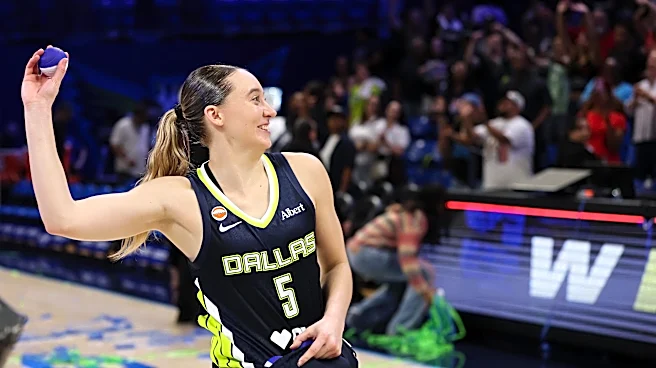
The Dallas Wings are in possession of two first-round picks, No. 9 and No. 13, in the upcoming 2027 WNBA Draft. This comes after a 2026 season where the team significantly improved, transitioning from a lower-tier team to a playoff contender despite facing
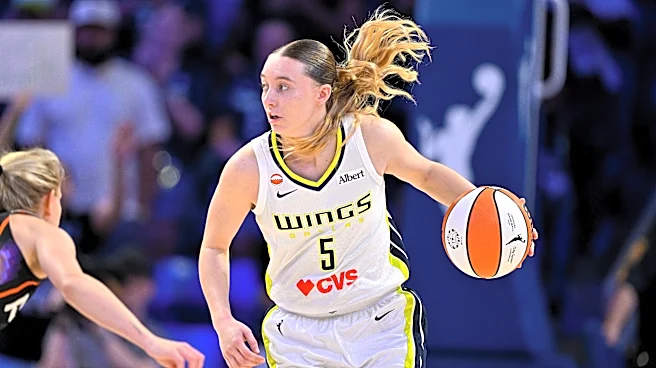
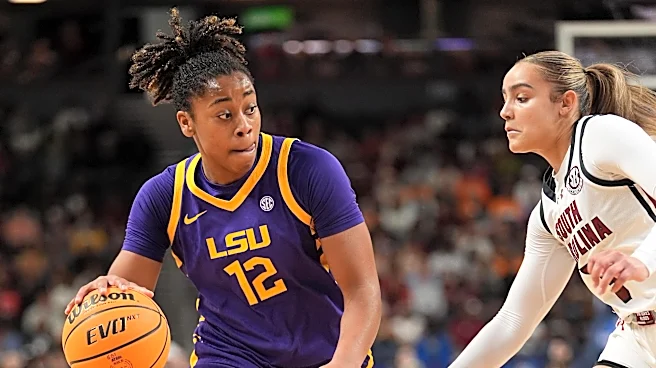
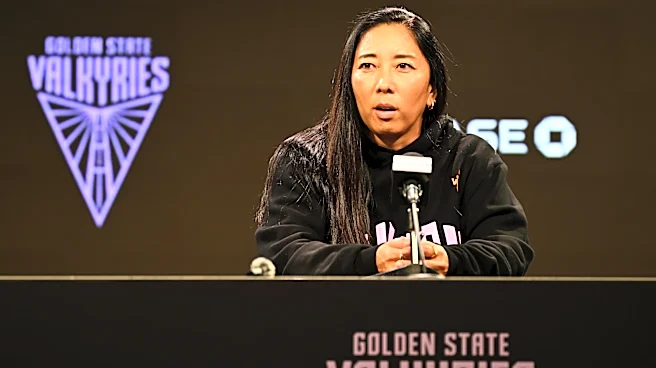
substantial injury challenges. The Wings even posed a significant threat to the eventual champions, the Golden State Valkyries, in the playoffs. With these two draft assets, the team is evaluating strategies to further strengthen its roster and build a more resilient and playoff-ready squad. The organization is considering whether to utilize these picks to select new talent directly or to leverage them in trades to acquire players who can immediately elevate the team's performance. Potential draft prospects being considered include Chloe Kitts from South Carolina, known for her versatile skillset and winning culture, and Kymora Johnson from Virginia, a high-volume three-point shooter with strong playmaking abilities. The team's core for 2027 is anticipated to feature Arike Ogunbowale, Paige Bueckers, and Azzi Fudd.
Why It's Important?
The Dallas Wings' strategic use of their two first-round picks in the 2027 WNBA Draft is crucial for their continued ascent in the league. After a promising 2026 season that saw them overcome significant injury setbacks to become a playoff team, these draft assets represent a key opportunity to solidify their status as a top contender. The decision to either draft new talent or trade the picks will directly impact the team's competitive outlook for 2027 and beyond. Successfully integrating new players or acquiring established talent could address specific roster needs, such as a reserve guard with strong passing skills to complement Paige Bueckers' off-ball play, or frontcourt depth. A well-executed draft strategy could transform the Wings into a championship-caliber team, increasing their marketability, fan engagement, and overall influence within the WNBA. Conversely, a misstep could hinder their progress, making it harder to compete against established powerhouses and potentially impacting future player recruitment.
What's Next?
The Dallas Wings have ample time before the 2027 WNBA Draft to finalize their strategy for their two first-round picks. The team will likely continue to scout potential collegiate prospects like Chloe Kitts and Kymora Johnson, assessing their fit within the existing roster and their potential to contribute immediately. Additionally, the front office will explore trade opportunities, evaluating which players or assets could be acquired in exchange for their draft capital to better position the team for a championship run. Decisions regarding player personnel, including potential free agency moves and contract extensions for current players, will also influence how these draft picks are ultimately utilized. The performance of current players and the development of prospects over the next year will provide further data for the Wings' management to make informed decisions aimed at constructing a more playoff-ready and resilient roster around their core players: Arike Ogunbowale, Paige Bueckers, and Azzi Fudd.
Beyond the Headlines
The Dallas Wings' approach to the 2027 WNBA Draft extends beyond immediate roster improvements, touching upon broader strategic trends in professional sports. The team's consideration of trading late first-round picks, rather than solely drafting, reflects a growing understanding that not all draft positions yield immediate impact players, especially for teams aiming for championship contention. This strategic flexibility highlights a sophisticated team-building philosophy focused on maximizing asset value. Furthermore, the emphasis on finding a reserve guard with specific passing skills to complement a star player like Paige Bueckers underscores the increasing importance of role players and synergistic team construction in modern basketball. This detailed approach to roster composition, focusing on specific skill sets rather than just raw talent, could set a precedent for other WNBA teams looking to optimize their lineups and build sustainable success. The long-term implications involve how teams balance developing young talent versus acquiring proven veterans through trades, shaping the league's competitive landscape.