








What's Happening?
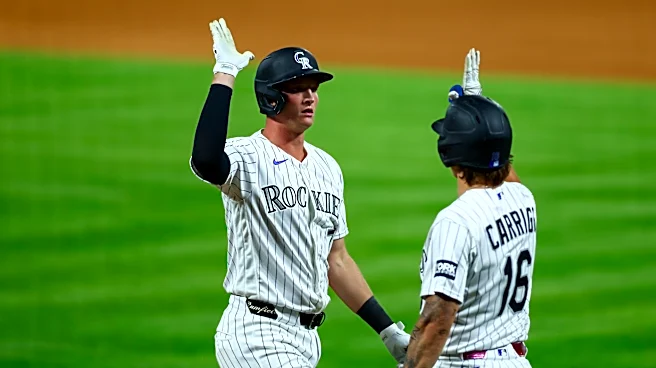
St. Louis Cardinals manager Oliver Marmol was ejected from Friday's game against the Colorado Rockies after a heated argument with home-plate umpire Doug Eddings. The dispute arose in the 6th inning following an inside-the-park home run by Cole Carrigg,
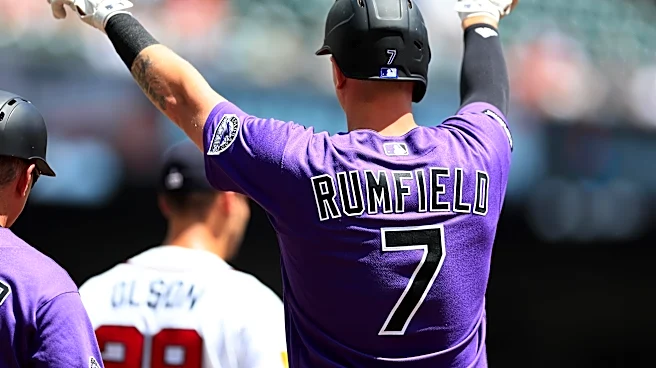
which trimmed the Cardinals' lead to 4-3. Marmol believed Carrigg missed third base while rounding it on his way to home plate. The Cardinals were unable to challenge the call because they had already used their challenge earlier in the game on a safe ruling at third base for a TJ Rumfield triple. Replays of Carrigg's play reportedly suggested that Marmol's contention about the missed base might have been accurate. Despite the pitching change that followed, Marmol continued to engage with Eddings, leading to his fourth ejection of the season. The Rockies subsequently scored two more runs in the inning, taking a 5-4 lead and resulting in a no-decision for Cardinals starting pitcher Andre Pallante.
Why It's Important?
This incident highlights the critical role of instant replay and challenge rules in Major League Baseball, particularly when controversial plays occur. The inability of the Cardinals to challenge a potentially game-altering play due to prior usage of their challenge underscores the strategic decisions managers must make regarding when to deploy this limited resource. A missed call on such a significant play can directly influence game outcomes, affecting team standings and player statistics. For the Cardinals, losing their manager during a pivotal moment in the game could disrupt team morale and in-game decision-making. Furthermore, repeated ejections, like Marmol's fourth of the season, can draw scrutiny from league officials and potentially lead to fines or suspensions, impacting the team's leadership continuity. The outcome of such disputed plays can also fuel broader discussions about the efficacy and fairness of current MLB umpiring and replay review protocols.
What's Next?
Following the ejection, the Cardinals will need to navigate the remainder of the game without their manager on the field, with a bench coach typically assuming managerial duties. The immediate consequence for Oliver Marmol could be a fine from Major League Baseball, given this is his fourth ejection of the season. The incident may also prompt further review by MLB officials regarding the umpiring decision and the replay system's limitations. While the game's result is final, the controversy could spark discussions among fans and media about the need for potential adjustments to the challenge system or increased accountability for on-field umpiring decisions. For the Cardinals, the focus will shift to their upcoming games in the series against the Rockies, as they aim to recover from the loss and maintain their competitive standing in the league.
Beyond the Headlines
The ejection of Oliver Marmol and the disputed call extend beyond the immediate game outcome, touching upon the broader integrity of baseball officiating. Such incidents can erode fan confidence in the fairness of the game, especially when replays suggest an incorrect call was made but cannot be overturned due to procedural limitations. This situation reignites debates about whether teams should have more challenges, or if certain critical plays should be subject to automatic review, regardless of challenge availability. The emotional intensity displayed by managers like Marmol, even at the risk of ejection, underscores the high stakes involved in professional sports and the pressure to advocate for their team. Ultimately, these moments contribute to the ongoing dialogue within MLB about balancing the human element of umpiring with the desire for perfect accuracy in an era of advanced technology and instant replay.