





What's Happening?
Machine learning is increasingly being utilized for anomaly detection across various U.S. industries, including manufacturing, telecommunications, cybersecurity, and banking and finance. This technology helps identify unusual patterns or deviations from
expected behavior in large datasets, which traditional rule-based systems often miss due to their fixed assumptions. Machine learning models learn from historical and real-time data, considering context, timing, relationships, frequency, and behavioral changes to pinpoint anomalies. These anomalies can signal critical events such as fraudulent transactions, cybersecurity attacks, equipment failures, or unusual customer behavior. The process involves defining the business problem, gathering relevant data from diverse sources like IoT sensors and application logs, cleaning and structuring this data, establishing a baseline for normal behavior, scoring new observations based on their deviation from this baseline, and then sending alerts or taking actions. Human feedback is also integrated to refine the models and improve the accuracy of anomaly detection.
Why It's Important?
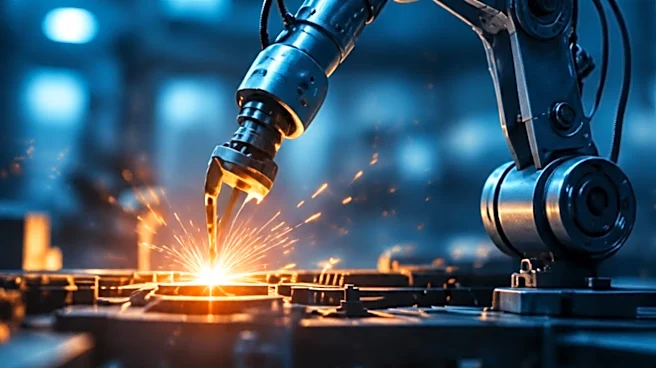
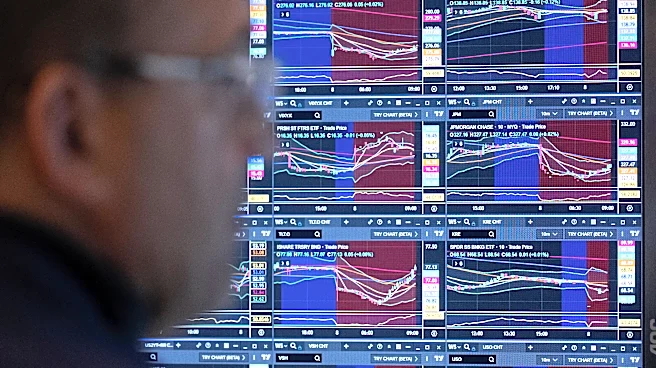
The adoption of machine learning for anomaly detection is crucial for U.S. industries as it significantly enhances their ability to proactively identify and mitigate risks. In manufacturing, it enables predictive maintenance by detecting subtle changes in equipment performance, thereby minimizing downtime and improving quality control. For telecommunications, it helps in identifying unusual network activities or customer behaviors that could indicate service issues or fraud. In cybersecurity, machine learning is vital for monitoring network traffic, cloud configurations, and user behavior to detect and respond to threats more effectively. The banking and finance sector benefits by using it to flag suspicious transactions and prevent financial fraud. This technology allows businesses to process vast amounts of data more efficiently than manual methods, leading to faster responses to critical events, reduced financial losses, and improved operational efficiency. The market for anomaly detection is projected to grow substantially, indicating its increasing importance in safeguarding business operations and data.
What's Next?
The demand for machine learning-driven anomaly detection is expected to continue its rapid growth, with the global market projected to reach $28.15 billion by 2034. This growth will likely lead to further integration of AI and machine learning into intelligent monitoring systems across various sectors. Companies will focus on refining their data collection and preparation strategies to ensure the accuracy and effectiveness of their anomaly detection models. There will also be an emphasis on developing more sophisticated algorithms that can understand complex contexts and relationships within data, reducing false positives and improving the relevance of alerts. The role of human investigators will remain critical, as their feedback will be essential for continuously improving and retraining these machine learning models, ensuring they adapt to evolving patterns and threats. Further advancements in cloud platforms like Azure Machine Learning will facilitate the training, deployment, and management of these models at scale.
Beyond the Headlines
Beyond the immediate operational benefits, the widespread implementation of machine learning for anomaly detection raises deeper implications regarding data privacy, algorithmic bias, and the evolving nature of human-machine collaboration. As these systems become more autonomous in identifying 'normal' versus 'abnormal' behavior, there's a need to ensure that the underlying data and algorithms do not inadvertently perpetuate or create biases, particularly in areas like user behavior analysis or financial fraud detection. The ethical considerations of how anomalies are defined and acted upon will become increasingly important. Furthermore, the reliance on machine learning for critical decision-making processes necessitates robust oversight and transparency mechanisms. The integration of human feedback highlights a long-term shift towards augmented intelligence, where human expertise and machine capabilities are combined to achieve more accurate and nuanced outcomes, rather than a complete replacement of human judgment.