







What's Happening?
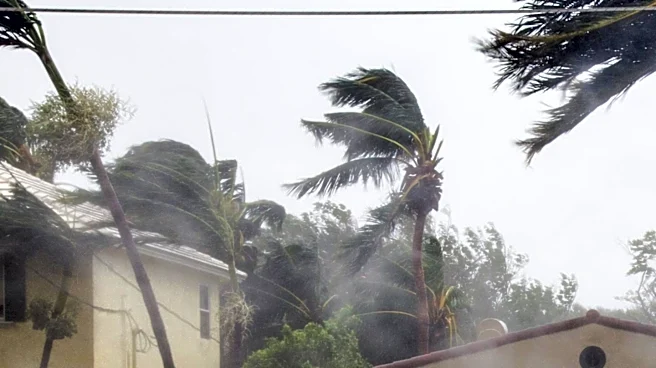
The state Public Utility Commission (PUC) has initiated a series of meetings across Hawaiʻi to examine Hawaiian Electric's reliability performance during recent Kona storms and hurricanes. This comes as residents, particularly in West Oahu, express frustration
over persistent power outages, despite Hawaiian Electric's claims of efficient restoration efforts. Shari Ishikawa, Hawaiian Electric's Vice President of Energy Delivery, stated that 95% of customers affected by Hurricane Lowell in West Oahu had power restored within 24 hours, and the remaining within 36 hours. However, residents like Kumu Lani Alo-Chu of Nanakuli highlighted that proximity to a power plant does not guarantee reliable electricity. State Rep. Darius Kila of Nanakuli also noted a lack of clear answers regarding the source of outages impacting the microgrid. Concurrently, Hawaiian Electric has requested PUC approval for a $170 million consolidated revenue increase over the next two years, a proposal that has drawn criticism from residents concerned about inflation and existing service issues.
Why It's Important?
This situation is important because it highlights a critical tension between a utility company's operational challenges and its customers' expectations for reliable service and affordable rates. Hawaiian Electric's request for a significant revenue increase amidst ongoing reliability concerns could lead to increased financial burden on residents already struggling with inflation, as noted by Kapolei resident Leticia Hernandez. The public meetings provide a platform for residents to voice their grievances, which can influence the PUC's decision-making process regarding the proposed rate hike and future regulatory actions. The outcome of these discussions will not only affect Hawaiian Electric's financial stability and operational capacity but also the daily lives and economic well-being of thousands of Hawaiʻi residents. It also underscores the broader challenge faced by utility companies in maintaining and upgrading infrastructure in the face of increasingly frequent and intense weather events.
What's Next?
The Public Utility Commission will continue its series of meetings, with upcoming sessions scheduled for Hawaii Island and other areas of Oahu, as well as Maui, Molokai, and Lanai. These meetings are primarily for public comments, allowing residents to provide testimony regarding Hawaiian Electric's service and the proposed rate increase. Hawaiian Electric was not required to answer questions at the initial meeting, but the public input gathered will be crucial for the PUC's deliberations. The PUC's final decision on the $170 million revenue increase will significantly impact Hawaiian Electric's financial future and the electricity costs for consumers. Additionally, the ongoing scrutiny of the utility's reliability may lead to mandates for infrastructure improvements or changes in operational protocols to better withstand future storms and ensure more consistent power delivery to residents.
Beyond the Headlines
The ongoing issues with Hawaiian Electric and the public's response reflect a broader societal debate about the balance between utility profits, infrastructure investment, and consumer affordability, especially in regions prone to natural disasters. The frustration expressed by residents, particularly regarding the location of the PUC meeting in Kapolei instead of more affected areas like Waianae, points to issues of accessibility and representation in public discourse. This situation could prompt a re-evaluation of how public utilities engage with and respond to the needs of diverse communities, particularly those in remote or underserved areas. It also raises questions about the long-term sustainability of current energy infrastructure in the face of climate change and the potential for alternative energy solutions or microgrids to enhance resilience and reduce dependence on centralized systems, thereby empowering local communities with more control over their energy supply.