




What's Happening?
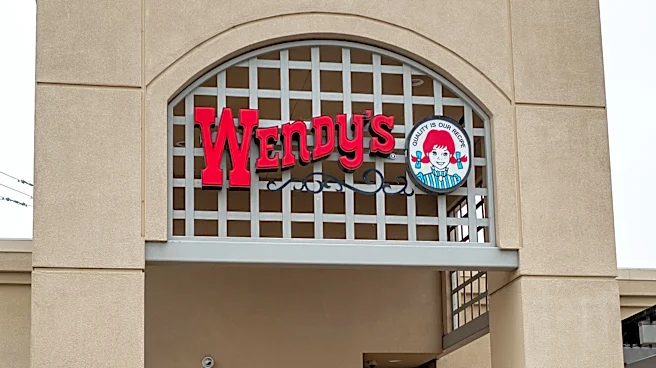
Investor Nelson Peltz, known for his aggressive proxy fights, is clashing with Wendy's CEO Bob Wright over the future of the fast-food chain. Peltz, a 'brash Brooklynite,' has a history with Wendy's, having previously acquired the company. He is now proposing
a take-private deal for Wendy's and has enlisted prominent franchisee Greg Flynn to support his efforts. This move pits Peltz against Wright, a 'Midwestern restaurant lifer' who has a deep personal connection to the brand, even moving Wendy's memorabilia into his office upon becoming CEO. The situation has drawn attention from various stakeholders, including Wendy Thomas, daughter of founder Dave Thomas, as the debate over whether Wendy's should remain a public company unfolds.
Why It's Important?
This corporate battle for Wendy's highlights the ongoing tension between activist investors seeking to maximize shareholder value and established management teams focused on long-term brand stewardship. Peltz's proposal to take Wendy's private could significantly alter the company's operational structure and strategic direction, potentially impacting its franchisees, employees, and the broader fast-food market. For investors, the outcome will demonstrate the influence of activist shareholders in shaping corporate governance and the valuation of publicly traded companies. The involvement of a major franchisee like Greg Flynn also underscores the potential for internal divisions within the Wendy's system, which could affect brand consistency and market performance.
What's Next?
The immediate next steps will likely involve further negotiations and public discourse between Nelson Peltz's camp and Wendy's current management. Peltz will need to garner sufficient support from other shareholders to advance his take-private proposal, potentially leading to a proxy vote. Wendy's board and CEO Bob Wright are expected to defend their current strategy and argue against the proposed privatization. The involvement of key figures like Wendy Thomas suggests that the emotional and historical ties to the brand will also play a role in the public perception and ultimate resolution of this corporate tug-of-war. The outcome could set a precedent for similar activist investor campaigns in the restaurant industry.
Beyond the Headlines
This situation extends beyond a simple business transaction, touching upon the philosophical debate of corporate ownership and control. It raises questions about whether a company's long-term vision and brand identity are best preserved under public ownership, with its inherent pressures for short-term gains, or through private control, which might allow for more strategic flexibility. The clash between Peltz's aggressive, results-driven approach and Wright's more traditional, brand-centric leadership style reflects broader trends in corporate America regarding the balance between financial performance and corporate culture. The resolution of this conflict could influence how other legacy brands navigate activist investor interest and the evolving landscape of corporate governance.