



What's Happening?
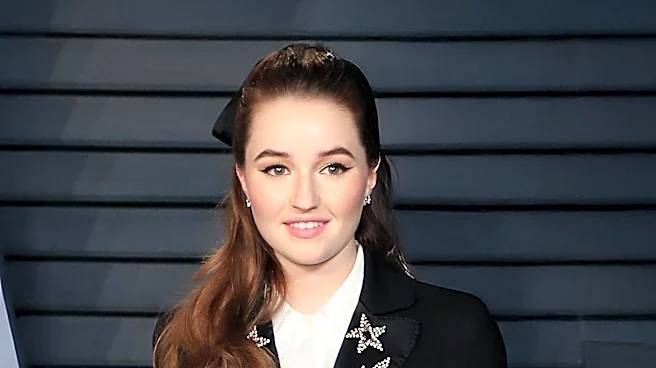
Millie Bobby Brown is recognized for her ability to adopt a soft American drawl for her role as Eleven in the Netflix series 'Stranger Things,' a significant departure from her natural accent. This vocal transformation places her among a list of actors
who sound notably different from their characters in real life. The list, compiled by WatchMojo, includes other prominent actors such as Colin Farrell, known for his unrecognizable Penguin voice, and Jodie Comer, who portrays a chilling Russian assassin in 'Killing Eve.' These examples underscore the talent required for actors to dramatically alter their voices for on-screen performances, showcasing a key aspect of their craft.
Why It's Important?
The ability of actors like Millie Bobby Brown to convincingly alter their accents and vocal patterns for roles is crucial for character immersion and audience engagement. For U.S. audiences, an authentic American accent from a non-American actor can significantly enhance the believability of a character, particularly in widely popular shows like 'Stranger Things.' This skill impacts the entertainment industry by demonstrating the depth of an actor's range and their commitment to a role, potentially influencing casting decisions and the perceived quality of productions. It also highlights the role of dialect coaches and vocal training in the industry, which are essential for achieving such transformations. The success of these vocal changes can contribute to a show's critical acclaim and commercial success, affecting viewership and revenue for streaming platforms and production companies.
What's Next?
As the entertainment industry continues to globalize, the demand for actors capable of performing with diverse accents is likely to grow. Future productions may increasingly seek out talent with strong vocal versatility, potentially leading to more emphasis on dialect training in acting schools and workshops. This trend could also influence how actors are perceived and valued, with those demonstrating exceptional vocal range gaining a competitive edge. For Millie Bobby Brown, her recognized ability to master an American accent for 'Stranger Things' could open doors to a wider array of roles in U.S. productions, further solidifying her career in Hollywood.
Beyond the Headlines
Beyond the immediate impact on individual performances, the phenomenon of actors adopting different accents touches upon broader cultural and linguistic dynamics. It reflects how accents are perceived and consumed by audiences, often linking specific vocal patterns to character traits or geographical origins. This practice can also spark discussions about authenticity versus performance in acting, and the extent to which an actor's natural voice is part of their identity. Furthermore, it subtly influences global perceptions of accents, as popular media can normalize or even glamorize certain vocal styles, potentially affecting linguistic trends and cultural exchange.