
What's Happening?
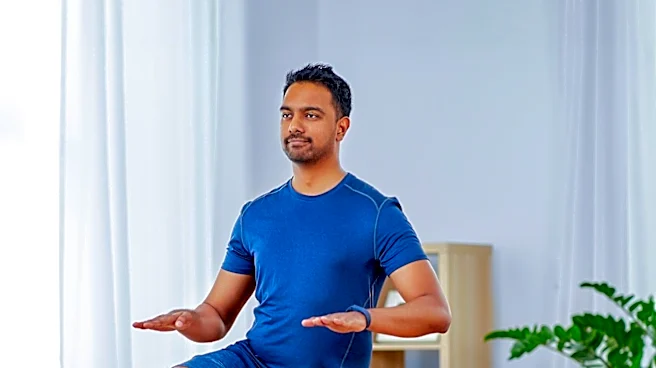
Madrid's wellness scene is increasingly characterized by its social nature and a blend of US-inspired fitness trends with traditional practices. The city has seen a rise in activities such as reformer Pilates, Lagree, and indoor cycling, mirroring trends observed
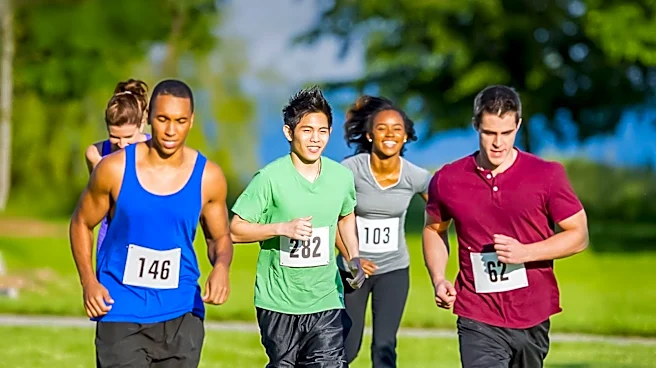
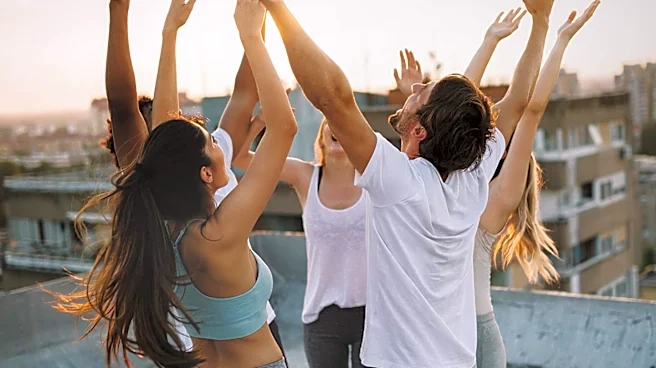
in places like Miami. Beyond these, there's a growing interest in strength training and event-based fitness like HYROX, with more women participating in heavy lifting. Running clubs have also become prominent, often forming around specialty coffee shops, fostering community through shared runs and post-exercise socializing. Additionally, sports like Padel and golf are gaining popularity among residents. This evolution indicates a shift towards a more communal and diverse approach to health and well-being in the Spanish capital, moving beyond individualistic exercise routines to incorporate social interaction and varied physical activities. The city's wellness culture emphasizes finding a personal rhythm that balances routine with pleasure, integrating physical activity with social connections and personal enjoyment.
Why It's Important?
The evolving wellness landscape in Madrid reflects broader global trends in health and fitness, where social engagement and diverse activity options are becoming key drivers. This shift is important as it highlights a move away from rigid, calorie-counting approaches to wellness towards a more holistic and balanced perspective. For the fitness industry, it signals opportunities for growth in community-focused programs and specialized training facilities that cater to varied interests, from high-intensity workouts to social sports. The integration of wellness with social activities, such as running clubs linked to coffee shops, demonstrates a consumer desire for experiences that combine physical health with community building. This trend could influence urban planning and local business development, encouraging spaces that facilitate both physical activity and social interaction. It also underscores a cultural shift where wellness is viewed not just as a personal endeavor but as a collective experience, potentially leading to improved mental and physical health outcomes through enhanced social connections.
What's Next?
The continued growth of social fitness trends in Madrid suggests a future where wellness offerings will likely become even more integrated into daily social life. We can anticipate further expansion of specialized fitness studios and community-based sports clubs, potentially leading to increased competition and innovation in the wellness market. Local businesses, particularly cafes and community centers, may increasingly partner with fitness groups to create hybrid spaces that serve both social and physical well-being needs. There could also be a rise in wellness tourism focused on Madrid, attracting individuals interested in experiencing its unique blend of modern fitness and traditional lifestyle. As residents continue to prioritize balance and pleasure in their wellness routines, demand for flexible and diverse options that cater to various interests and lifestyles is expected to grow, pushing providers to offer more personalized and community-oriented services.
Beyond the Headlines
Beyond the visible fitness trends, Madrid's wellness evolution points to deeper cultural shifts regarding health and lifestyle. The emphasis on social interaction within fitness activities suggests a response to increasing urbanization and potential feelings of isolation, where exercise becomes a vehicle for community building and social connection. This approach challenges the often individualistic nature of modern fitness, promoting a more collective and supportive environment. Ethically, it raises questions about accessibility and inclusivity, ensuring that these emerging wellness trends are available to all segments of the population, not just those with disposable income. Culturally, it reflects a broader societal move towards valuing well-being as a multifaceted concept encompassing physical, mental, and social health, rather than solely focusing on physical appearance or performance. This holistic view could lead to long-term changes in how public health initiatives are designed and how individuals perceive and pursue a healthy lifestyle.