

What's Happening?
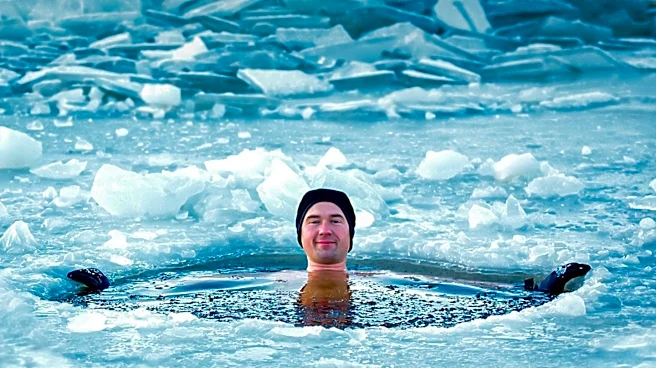
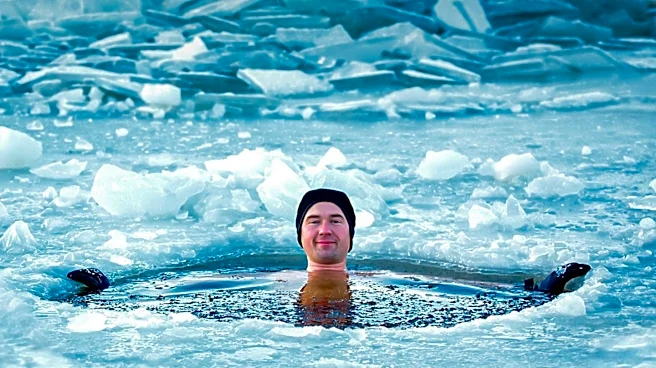
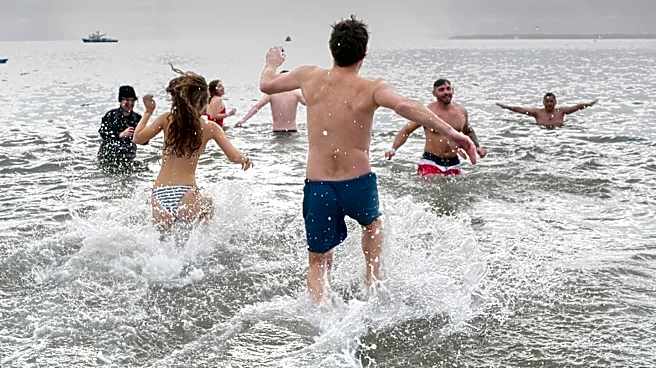
Cold plunges, or cold water immersion, are increasingly recognized for their potential benefits in muscle recovery, mood enhancement, and overall wellness. This practice involves submerging oneself in cold water, either in a dedicated pool or natural
body of water. Athletes frequently utilize cold plunges to alleviate muscle soreness and expedite recovery after intense physical activity. The physiological response to cold water includes vasoconstriction, where blood vessels near the skin contract, redirecting blood flow to vital organs. Upon exiting the water, these vessels dilate, creating a flushing effect that users associate with improved circulation. The nervous system also reacts, activating the sympathetic nervous system and releasing noradrenaline, which contributes to heightened alertness and focus. While many report feeling more alert, relaxed, or refreshed, the scientific community continues to research the full extent of these benefits, particularly regarding long-term health improvements and specific therapeutic outcomes.
Why It's Important?
The growing popularity of cold plunges has significant implications for the wellness and fitness industries in the U.S. As more individuals, from professional athletes to health-conscious homeowners, seek effective recovery and wellness strategies, the demand for cold plunge equipment and facilities is rising. This trend is driving innovation in product development, with companies offering various options from passive ice baths to sophisticated chilled units with integrated filtration. For consumers, understanding the science behind cold plunges and adhering to safety precautions is crucial. While perceived benefits like reduced muscle soreness and improved mood are widely reported, the long-term effects on muscle repair, detoxification, and mental health require further conclusive research. This distinction is vital for managing expectations and ensuring that individuals make informed decisions about incorporating cold plunges into their routines, especially given the potential risks for those with pre-existing health conditions.
What's Next?
As the interest in cold plunges continues to grow, further research is anticipated to solidify the scientific understanding of their benefits and risks. This will likely lead to more refined guidelines for safe and effective practice, potentially influencing recommendations from healthcare professionals and sports organizations. The market for cold plunge equipment is expected to expand, with manufacturers focusing on user-friendly designs, improved hygiene features, and energy efficiency. Educational initiatives will also become increasingly important to inform the public about proper techniques, contraindications, and the distinction between anecdotal experiences and scientifically proven outcomes. Additionally, the integration of cold plunges into broader wellness protocols, such as contrast therapy involving alternating hot and cold exposure, may see increased adoption, prompting further exploration into optimal temperature and timing protocols for various health goals.
Beyond the Headlines
Beyond the immediate physical benefits, the practice of cold plunging taps into deeper psychological and cultural dimensions of wellness. The deliberate exposure to cold, often described as a structured physiological stimulus, can foster mental resilience and a sense of accomplishment. This ritualistic aspect, where individuals consciously push their comfort zones, can contribute to a heightened sense of self-awareness and control over one's body and mind. The emphasis on controlled breathing and mindful presence during cold immersion also aligns with broader trends in mindfulness and stress reduction. However, the commercialization of cold plunges also raises questions about accessibility and equity, as specialized equipment can be costly. Ensuring that the benefits of cold water immersion are accessible to a wider population, perhaps through community facilities or educational resources on simpler methods like cold showers, will be an important consideration as this wellness trend evolves.