





What's Happening?
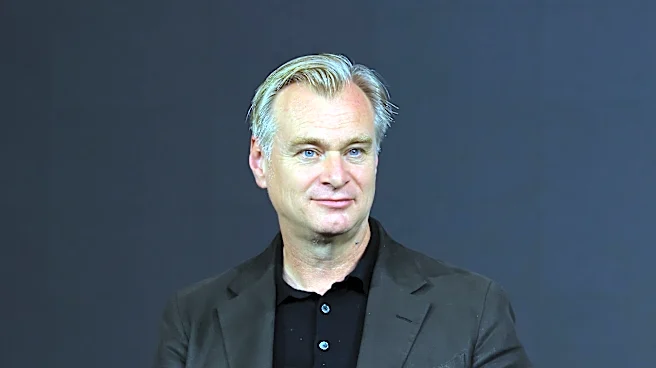
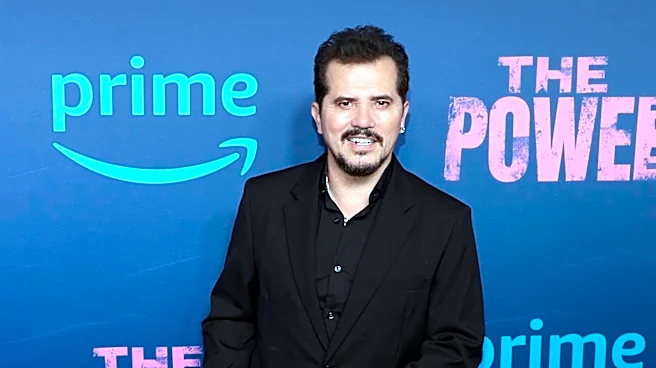
Actor John Leguizamo underwent such a profound physical transformation for his role as Eumaeus, the loyal servant to Odysseus (played by Matt Damon), in Christopher Nolan's 'The Odyssey' that he was virtually unrecognizable, even to the director himself.
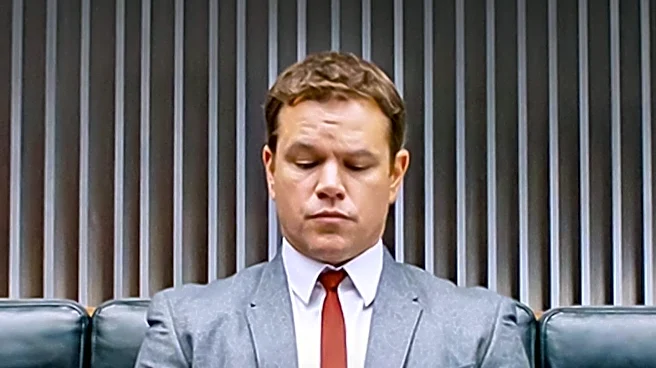
Leguizamo, 62, portrayed an elderly, nearly blind, white-haired character, which required a grueling two-day bleaching process to turn his black hair white, involving five hours daily of intense chemical treatment that caused hair loss and scalp burns. Additionally, he wore specially designed contact lenses that simulated cataracts, severely impairing his vision. This extensive makeup and prosthetics regimen initially took five hours each day, later reduced to four. The transformation was so complete that when Leguizamo met Nolan after filming, the director failed to recognize him in his normal appearance, mistaking him for a stranger. Matt Damon also underwent a significant physical change for his role as Odysseus, losing approximately 20 pounds to achieve a lean yet strong physique, weighing 167 pounds.
Why It's Important?
Leguizamo's extreme transformation highlights the dedication and physical sacrifices actors make for their roles, often going beyond conventional acting to fully embody a character. This level of commitment can significantly enhance a film's authenticity and audience immersion, contributing to its critical and commercial success. The fact that Christopher Nolan, who worked closely with Leguizamo, did not recognize him underscores the effectiveness of the makeup and costume departments in creating believable characters. This also showcases the technical artistry involved in filmmaking, particularly in special effects makeup. For the entertainment industry, such transformations can generate significant buzz and critical acclaim, potentially leading to awards recognition for both the actor and the creative teams involved in the physical character design. It also sets a high bar for method acting and physical embodiment in cinema.
What's Next?
The success of Leguizamo's transformation in 'The Odyssey' could influence future casting decisions, encouraging directors to consider actors for roles that require extensive physical alteration, knowing the potential for a convincing portrayal. It may also lead to increased investment in advanced makeup and prosthetics technologies within the film industry. For Leguizamo, this role could open doors to more diverse and challenging character-driven projects that leverage his ability to undergo significant physical changes. The story of Nolan's non-recognition will likely become a memorable anecdote in Hollywood, further cementing the film's legacy and the actor's commitment.
Beyond the Headlines
This story delves into the ethical and personal costs of extreme physical transformations in acting. Leguizamo's account of scalp burns and temporary vision impairment raises questions about the boundaries of artistic commitment and actor well-being. While the result was critically acclaimed, it prompts a discussion on the health implications and long-term effects of such rigorous processes. It also touches upon the psychological aspect of losing one's identity within a role, even temporarily, and the potential for a disconnect between the actor and their public persona. This highlights the often-unseen sacrifices made by performers in pursuit of their craft, adding a layer of complexity to the glamour of Hollywood.