






What's Happening?
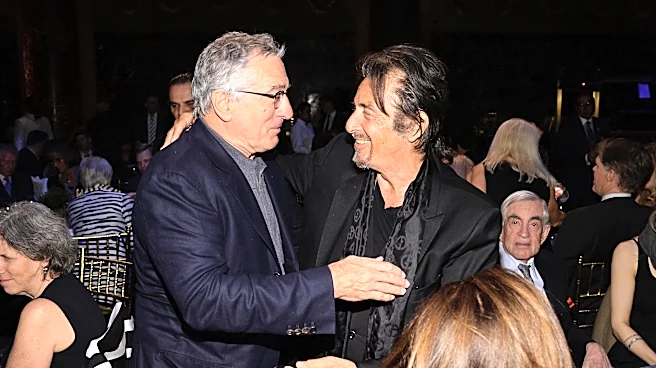
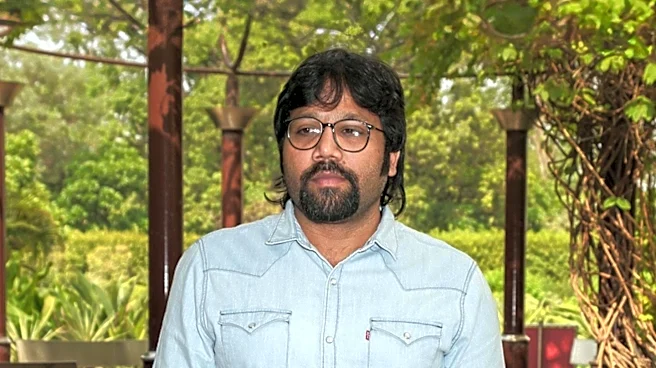
Director Sandeep Reddy Vanga has drawn significant criticism on social media for his recent comments comparing the filmographies of Indian actors Kamal Haasan, Mammootty, and Chiranjeevi to those of Hollywood icons Robert De Niro and Al Pacino. In an interview
with Bollywood journalist Faridoon Shahryar, Vanga asserted that the body of work of these Indian stars surpasses that of their Hollywood counterparts. This subjective observation has ignited a considerable backlash, with many netizens trolling the director. Critics have accused Vanga of attempting to flatter Indian stars, highlighting the perceived irony given that his own films, such as 'Arjun Reddy' and 'Animal,' allegedly draw inspiration from Hollywood movies featuring the very actors he mentioned, including 'The Godfather,' 'Goodfellas,' and 'Flight.' The controversy has sparked a broader debate regarding the appropriate criteria for comparing Indian and Hollywood actors, questioning whether box-office success and the breadth of an actor's filmography should be considered equivalent.
Why It's Important?
This incident underscores the ongoing cultural dialogue surrounding the global perception and valuation of cinematic achievements. Vanga's comments and the subsequent public reaction highlight differing perspectives on artistic merit, influence, and the criteria used to evaluate actors' careers across diverse film industries. The debate touches upon the perceived originality and influence of Indian cinema versus Hollywood, particularly when accusations of inspiration or imitation arise. For the Indian film industry, such comparisons can be a double-edged sword, potentially elevating the status of its stars on a global stage while also exposing it to scrutiny regarding originality and artistic depth. The controversy also reflects the power of social media in shaping public discourse and holding public figures accountable for their statements, demonstrating how quickly opinions can polarize and spread within the digital sphere.
What's Next?
The immediate aftermath of this controversy will likely see continued discussions on social media platforms and in entertainment news outlets regarding Vanga's comments and the broader topic of comparing film industries. Other filmmakers, actors, and critics may weigh in, offering their perspectives on the debate, which could further fuel the discussion. Vanga himself might choose to clarify or defend his statements, or he may opt to remain silent, allowing the controversy to subside. This event could also prompt more nuanced conversations within the Indian film industry about how its artists are perceived internationally and the benchmarks used for comparison. It may also lead to increased scrutiny of films for perceived influences from other cinematic traditions, potentially impacting how future projects are received by audiences and critics.
Beyond the Headlines
Beyond the immediate controversy, this event touches upon deeper themes of cultural identity, artistic influence, and the subjective nature of evaluating creative works. The comparison between Indian and Hollywood actors often involves differing cultural contexts, acting styles, and industry structures, making direct comparisons complex and often contentious. The backlash against Vanga's comments also reflects a broader sentiment among some audiences who believe in acknowledging the distinct contributions of different cinematic traditions without necessarily ranking them. Furthermore, the debate highlights the ongoing challenge for filmmakers in navigating the globalized landscape of cinema, where influences are often cross-cultural, and originality is constantly scrutinized. This incident could serve as a case study in how cultural pride and artistic appreciation intersect, and how public figures' statements can inadvertently ignite significant cultural debates.