






What's Happening?
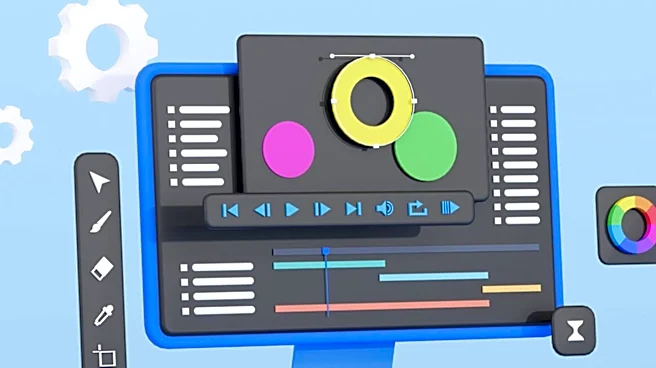
Descript, an AI video and audio editor, allows users to edit media by manipulating its transcribed text. The platform enables users to record directly within the application or upload existing files, which are then automatically transcribed. Editing the transcript,
such as deleting a word, directly removes the corresponding segment of video or audio. Similarly, moving a sentence in the transcript rearranges the associated footage. While a traditional timeline is available for precise adjustments, Descript emphasizes that comprehensive video editing can be achieved solely through text manipulation. The platform offers a free plan providing 60 media minutes per month and 100 one-time AI credits, though exports from this plan include a watermark. Paid plans, ranging from $24 to $65 per month, offer increased media hours, advanced AI features, and watermark-free exports, catering to various user needs from hobbyists to businesses. Descript also includes features like AI co-editing for filler words, clip generation, and captioning.
Why It's Important?
Descript's innovative text-based editing approach significantly streamlines the video and audio production workflow, particularly for content creators who frequently work with spoken word content like podcasts, interviews, and tutorials. By allowing users to edit media as easily as editing a document, it democratizes complex video editing processes, making them accessible to a broader audience without requiring extensive technical skills in traditional video editing software. This can lead to increased efficiency and productivity for podcasters, YouTubers, and educators, enabling them to produce high-quality content more rapidly. The integration of AI features, such as filler word removal and voice enhancement, further reduces post-production time and effort, allowing creators to focus more on content creation rather than tedious editing tasks. This shift could impact the demand for traditional video editors and foster a new generation of content creators who leverage AI tools for production.
What's Next?
As AI-powered editing tools like Descript continue to evolve, the industry can expect further advancements in automation and user-friendliness. Future iterations may include more sophisticated AI co-editing capabilities, deeper integration with other content creation platforms, and enhanced multilingual support for transcription and translation. The increasing adoption of such tools could lead to a greater emphasis on scriptwriting and verbal content quality, as these directly influence the ease and effectiveness of text-based editing. Competitors in the video editing space may also accelerate their development of similar AI-driven features to remain competitive. Additionally, the accessibility provided by these tools could foster a surge in user-generated content, potentially altering content consumption patterns and the landscape of digital media production.
Beyond the Headlines
The rise of text-based video and audio editing tools like Descript highlights a broader trend in technology: the simplification of complex creative processes through artificial intelligence. This paradigm shift raises questions about the future of traditional media editing skills and the potential for AI to become a co-creator rather than just a tool. Ethically, the ability to easily manipulate spoken content through text editing, including voice cloning and AI-generated speech, brings forth concerns about authenticity and the potential for misuse in creating deepfakes or misleading narratives. Legally, issues surrounding copyright for AI-generated content and the implications of AI-assisted editing on intellectual property rights may become more prominent. Culturally, as content creation becomes more accessible, there could be an explosion of diverse voices and narratives, but also a challenge in discerning credible information from AI-fabricated content.