





What's Happening?
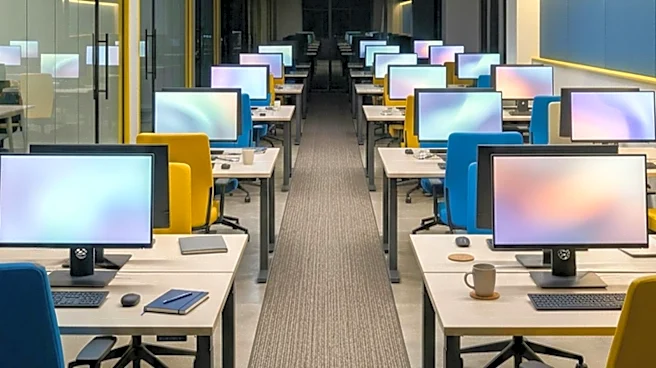
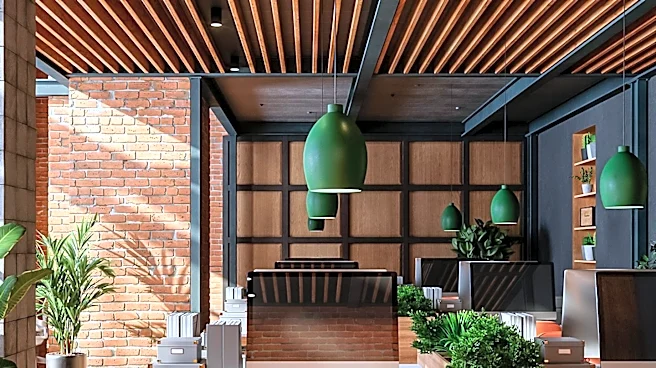
The US flexible workspace market experienced significant shifts in the second quarter of 2026, according to Office-Hub.com. The overall footprint of flexible workspaces expanded, indicating a growing demand for adaptable office solutions. Concurrently,
desk rates across the market saw a decrease. This trend suggests that while more flexible office spaces are becoming available, the pricing for these individual workspaces is becoming more competitive. The expansion of the market footprint could be driven by businesses seeking more agile real estate strategies in response to evolving work models, such as hybrid work. The reduction in desk rates might be a result of increased supply meeting or exceeding demand in certain areas, or a strategic move by providers to attract more occupants. This dynamic environment reflects a maturing market where providers are adjusting their offerings and pricing to capture a larger share of businesses looking for alternatives to traditional long-term leases.
Why It's Important?
This development is important for the US business landscape as it signifies a continued evolution in how companies approach office space. The growth in flexible workspace footprint provides businesses, particularly startups and small to medium-sized enterprises (SMEs), with more options for scalable and cost-effective office solutions. The decrease in desk rates makes these options even more attractive, potentially lowering operational overheads for businesses. This trend could also impact the traditional commercial real estate market, as more companies might opt for flexible arrangements over conventional leases, leading to potential vacancies or pressure on landlords to adapt their offerings. For employees, the proliferation of flexible workspaces could mean more diverse and accessible work environments, potentially improving work-life balance and productivity. The competitive pricing also benefits tenants, giving them more leverage in negotiations and access to better facilities at lower costs.
What's Next?
Looking ahead, the US flexible workspace market is likely to continue its expansion, with providers potentially innovating their service offerings to differentiate themselves in a competitive environment. Businesses can expect to see more tailored solutions, including specialized amenities and community-building initiatives, as providers vie for market share. The trend of decreasing desk rates may stabilize or even reverse in certain high-demand urban centers, but overall, the market is expected to remain tenant-friendly. Traditional commercial real estate developers and landlords may increasingly integrate flexible workspace models into their portfolios to remain competitive. Furthermore, policy discussions around urban planning and business support might consider the role of flexible workspaces in fostering economic growth and supporting diverse business needs. The ongoing adaptation to hybrid work models will likely fuel further demand for these flexible solutions.
Beyond the Headlines
Beyond the immediate market dynamics, the rise of flexible workspaces has broader implications for urban development and the future of work. It challenges the traditional notion of a centralized corporate office, potentially leading to more decentralized business hubs and revitalized suburban areas. This shift could also influence commuting patterns, reduce traffic congestion, and promote more sustainable urban living. From a societal perspective, flexible workspaces can foster greater entrepreneurship by lowering the barrier to entry for new businesses, providing them with professional environments without significant upfront capital investment. The emphasis on flexibility also reflects a cultural shift towards valuing adaptability and work-life integration, which could reshape corporate culture and employee expectations. Legal and regulatory frameworks may also need to evolve to address the unique aspects of flexible workspace agreements, including tenant rights, liability, and operational standards.