

What's Happening?
Shooter Jennings, son of country music legend Waylon Jennings, has released 'Diamonds,' the second in a planned series of three archival albums featuring his father's unreleased material. Jennings discussed the album and his approach to its release in an interview
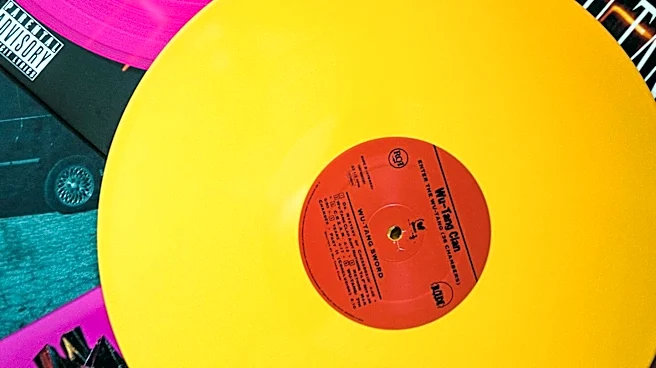
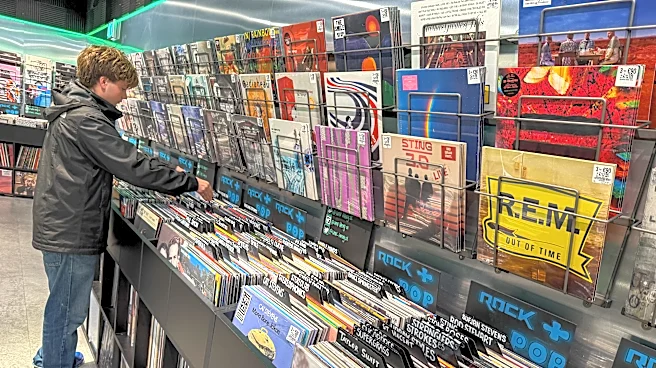
with Americana Highways. He opted for a 'physical window' strategy, giving the physical release of 'Diamonds' a 30-day head start before making it available on streaming platforms. This decision was influenced by observations of a growing market for physical media, including vinyl, CDs, and cassettes, among younger audiences. Jennings aims to support independent record stores and experiment with release strategies for Waylon's legacy projects. The album follows 'Songbird,' released in 2025, which earned critical acclaim and reached the top 10 on Billboard’s Top Album Sales chart. Jennings also shared insights into his career as a producer, his passion for video games and old technology, and the responsibility he feels towards his father's musical legacy.
Why It's Important?
This release strategy by Shooter Jennings for 'Diamonds' is significant for the U.S. music industry, particularly for independent record stores and artists seeking alternative distribution models. By prioritizing physical sales, Jennings challenges the dominant streaming-first approach, potentially offering a blueprint for other artists to generate more revenue and engage with fans who prefer tangible music formats. This move could bolster the sales of physical media, which has seen a resurgence, and provide a more equitable financial model for artists compared to the often-criticized low royalty rates of streaming services. For fans of Waylon Jennings, these archival releases offer new insights into his work and preserve his legacy. The success of 'Songbird' and the early reception of 'Diamonds' could influence how other estates manage and release posthumous works, potentially shifting industry norms towards more artist- and retailer-friendly practices. It also highlights the ongoing debate about fair compensation for artists in the digital age.
What's Next?
Shooter Jennings plans to release a third archival album of Waylon Jennings' material, completing the initial trilogy. Beyond these three, Jennings indicated that there is significantly more unreleased material, including a full album with Waylon's band, The Waylors, which he intends to release in the future. The continued success and reception of 'Diamonds' and subsequent releases will likely inform the pace and strategy for these future projects. The music industry will be watching to see if Jennings' 'physical window' approach gains wider adoption, particularly among artists with established fan bases or those looking to differentiate their releases. This strategy could lead to more artists experimenting with staggered release schedules, giving physical formats a temporary exclusive period before digital availability. The ongoing discussion about artist compensation and the value of physical media versus streaming will also continue to evolve with these developments.
Beyond the Headlines
The decision to prioritize physical releases for Waylon Jennings' archival music touches upon broader cultural and economic shifts within the entertainment industry. It reflects a growing appreciation for physical artifacts in a digital world, where consumers, particularly younger generations, are increasingly seeking tangible connections to their favorite artists. This trend extends beyond music to other forms of media, suggesting a counter-movement against purely digital consumption. Ethically, Jennings' approach also raises questions about the responsibility of artists and estates to preserve and present historical works in ways that honor their legacy while also adapting to contemporary consumption habits. It highlights the tension between maximizing reach through ubiquitous streaming and cultivating a deeper, more invested fan base through exclusive physical offerings. This strategy could also inspire a re-evaluation of how value is perceived and exchanged in the music ecosystem, potentially leading to more diverse and artist-centric business models.