






What's Happening?
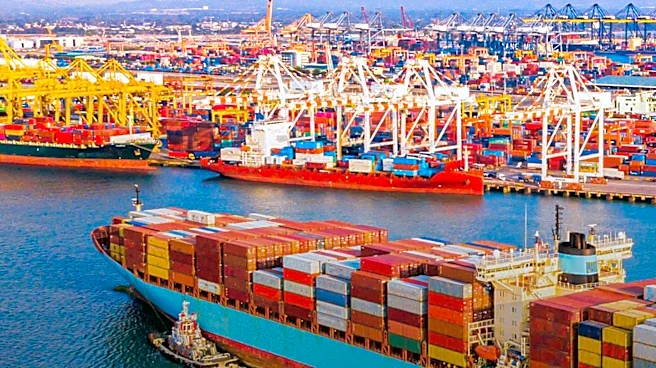
The global business environment is evolving into a multipolar system, characterized by power distribution based not only on geography but also on specific functions such as finance, technology, manufacturing, and regulation. This shift means that countries
no longer need to compete with major powers like the United States or China across all dimensions to exert influence. Instead, they can leverage their unique capabilities, resources, markets, or relationships. The European Union serves as a prime example of this phenomenon, acting as a non-military superpower that significantly shapes global business operations through its regulatory framework, often referred to as the 'Brussels Effect.' This effect compels multinational corporations to adopt demanding European requirements globally due to the size of the European market, rather than maintaining separate systems for different regions. This emerging order creates alternatives for middle powers, allowing them to engage with various global players without being forced to align exclusively with either China or the United States, and fosters more resilient supply chains for regions like Europe.
Why It's Important?
This transition to a multipolar business landscape has profound implications for U.S. industries, politics, and economic stakeholders. The rise of functional power centers, particularly regulatory bodies like the European Union, means that U.S. businesses operating internationally must increasingly adhere to diverse and often stringent global standards, even if those standards originate outside the U.S. This can lead to increased compliance costs and operational complexities for American companies. Furthermore, the ability of middle powers to exert leverage through specialized capabilities rather than broad military or economic might could dilute the traditional influence of the U.S. in certain sectors. While this fosters more resilient and diversified global supply chains, it also presents a challenge to the U.S.'s historical role as a primary shaper of international economic norms. The increasing mercantilist tendencies of great powers, including the U.S., may inadvertently accelerate these polycentric economic relationships, potentially limiting their ability to dominate the global system.
What's Next?
The trend towards functional multipolarity is expected to continue, with regulatory power, particularly from entities like the European Union, playing an increasingly central role in shaping global business practices. This will likely lead to further international cooperation on standard-setting in areas such as privacy, competition, sustainability, and artificial intelligence. For U.S. businesses, adapting to this evolving regulatory landscape will be crucial, potentially requiring greater investment in global compliance strategies and a more nuanced approach to international market engagement. Middle powers are anticipated to form more flexible coalitions to enhance their bargaining power and influence global rules, rather than relying on traditional bloc politics. This could result in a more co-authored international economic order where legitimacy and implementation depend increasingly on these middle powers, alongside the established major players. The U.S. will need to navigate this more complex and distributed power structure, potentially by engaging in more collaborative partnerships and recognizing the growing influence of diverse functional centers.
Beyond the Headlines
The shift to a multipolar business world, driven by functional power, highlights a deeper evolution in global governance beyond traditional state-centric models. The 'Brussels Effect' exemplifies how regulatory frameworks can become a powerful instrument of influence, transcending national borders and impacting corporate behavior worldwide. This raises ethical considerations regarding the extraterritorial application of laws and the potential for regulatory arbitrage. Culturally, it signifies a move away from a singular dominant economic narrative towards a more diverse set of values and priorities embedded in different regulatory approaches, such as Europe's emphasis on privacy and sustainability. Legally, it challenges the traditional notions of sovereignty and jurisdiction, as national regulations effectively become global standards through market forces. This long-term shift could lead to a more fragmented yet potentially more resilient global economic system, where power is distributed among various actors and functions, rather than concentrated in a few dominant nations.