




What's Happening?
First-generation Mexican-American chefs Fabrizio Villalpando and Jon Dillanes are using food as a means to connect with their cultural roots and foster community in Los Angeles and Brooklyn. Villalpando, a professional home cook, shares Mexican recipes
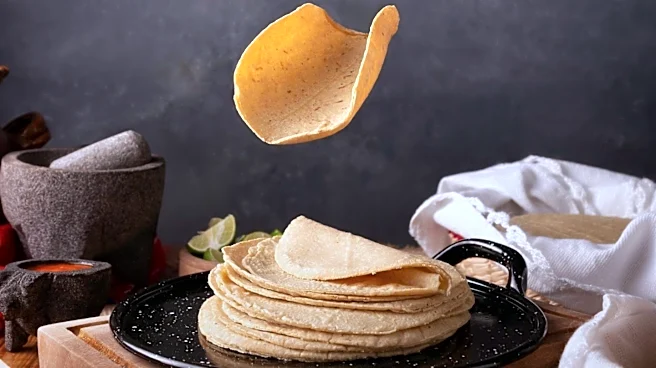
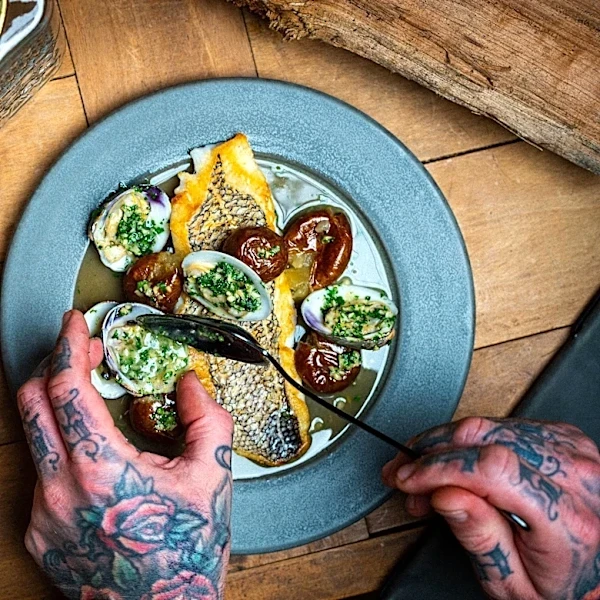
and cooking techniques with his digital audience, exploring his heritage through dishes like tacos al pastor with a unique SPAM twist. Dillanes, known online as Hrna Eatz, hosts weekly 'family dinners' for his chosen community, drawing inspiration from his mother's traditional Mexican cooking and incorporating global flavors, such as Korean-inspired SPAM quesadillas. Both chefs emphasize that cooking is an act of service and a 'love language,' using meals as an excuse to gather people and share their culinary creations with neighbors and friends. Their work highlights the emotional and cultural significance of food, transforming simple meals into meaningful shared experiences.
Why It's Important?
This trend underscores the growing influence of diverse cultural narratives within the U.S. culinary landscape. For first-generation Americans, food often serves as a powerful link to their heritage, providing a tangible way to explore and celebrate their roots while navigating a bicultural identity. The chefs' approach to sharing food with their communities fosters social cohesion and strengthens interpersonal bonds, demonstrating how culinary traditions can bridge cultural gaps and create a sense of belonging. Their innovative use of ingredients, such as incorporating SPAM into traditional Mexican dishes, reflects a dynamic fusion of cultures that is increasingly prevalent in American cuisine. This not only introduces new flavors and experiences to a broader audience but also challenges conventional notions of authenticity, showcasing the evolving nature of cultural identity through food.
What's Next?
The work of chefs like Villalpando and Dillanes is likely to inspire more individuals to explore their cultural heritage through cooking and sharing. This could lead to a greater demand for diverse ingredients and culinary techniques in the U.S. food market. Their online presence and community-focused initiatives suggest a future where food content creators play an even larger role in shaping culinary trends and fostering cultural understanding. The emphasis on 'ambiente'—the atmosphere and feeling created by shared meals—indicates a growing appreciation for the experiential aspect of dining, moving beyond just the food itself. This could influence the development of more community-oriented dining experiences and culinary events that prioritize connection and cultural exchange.
Beyond the Headlines
The stories of Fabrizio Villalpando and Jon Dillanes reveal a deeper narrative about identity, belonging, and the power of food as a cultural anchor. For many first-generation Americans, food is a primary means of maintaining a connection to their ancestral homeland, especially when living in a different cultural context. The act of cooking and sharing traditional dishes becomes a form of cultural preservation and a way to transmit heritage across generations. Their experiences also highlight the universal human need for connection and community, demonstrating how a shared meal can transcend differences and create a sense of family, whether by blood or by choice. This movement celebrates the richness of multiculturalism in the U.S., showing how diverse culinary traditions contribute to a vibrant and evolving national identity, fostering empathy and understanding through the simple, yet profound, act of breaking bread together.