



What's Happening?
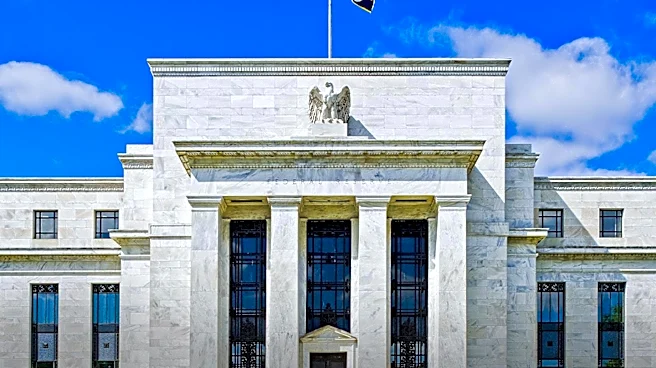
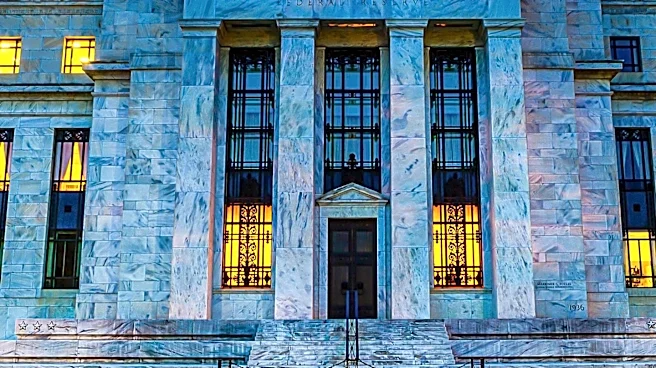
The Federal Reserve is currently facing a decision on whether to implement a rate hike in September, as economic indicators remain mixed. The 30-year Treasury yields are over 5.20%, and the 30-year mortgage rate has increased to 6.75%. The decision hinges
on upcoming U.S. jobs data, including JOLTS job openings, ADP, and the non-farm payrolls report. The consensus for non-farm payrolls is around +75-80k, which may not be weak enough to prevent a rate hike. The dollar's strength is also influenced by joint FX intervention by the U.S. and Japan, which has not significantly weakened the dollar due to the unresolved rate hike decision.
Why It's Important?
The potential rate hike by the Federal Reserve is significant as it could impact borrowing costs, consumer spending, and overall economic growth. A rate hike could lead to higher mortgage rates, affecting the housing market and consumer affordability. Additionally, the decision will influence the strength of the U.S. dollar, impacting international trade and investment. The Federal Reserve's actions are closely watched by investors and policymakers, as they provide insights into the central bank's assessment of the economy and inflationary pressures.
What's Next?
The Federal Reserve will closely monitor upcoming economic data, particularly the U.S. jobs report, to inform its decision on a potential rate hike in September. Market participants will be watching for any signals from the Federal Reserve regarding its monetary policy stance. The outcome of the rate decision will have implications for financial markets, influencing stock prices, bond yields, and currency values. Stakeholders, including businesses and consumers, will need to prepare for potential changes in borrowing costs and economic conditions.