






What's Happening?
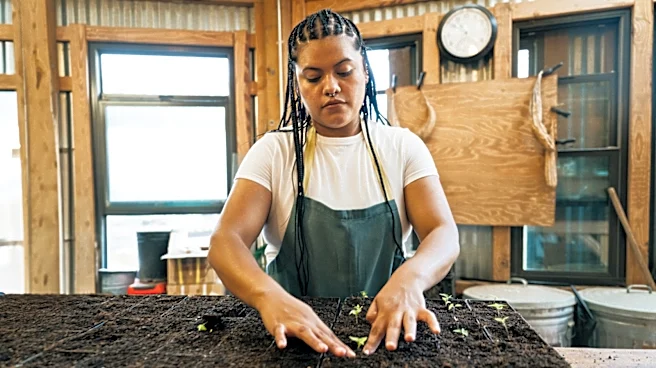
Autumn is identified as the prime season for planting various trees and shrubs, including shade, street, hedge, border, and fruit trees. This period is ideal because the soil remains warm from summer, allowing plants to focus their energy on root development
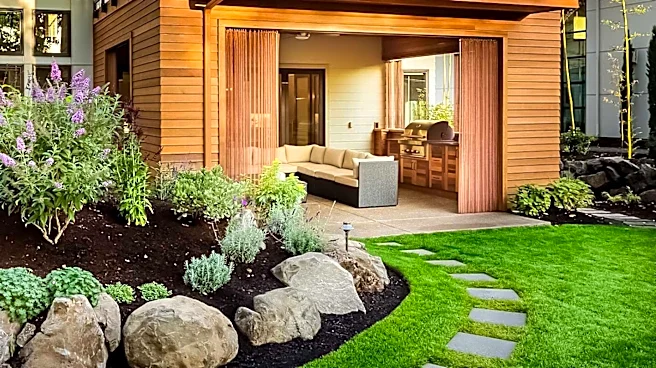
rather than supporting leaves and flowers. Key preparatory steps for autumn planting involve clearing and tidying the planting area, deeply loosening the soil without completely turning it, and incorporating well-rotted organic matter to enhance soil structure and water retention. Ensuring proper drainage is crucial to prevent plant failure. For existing plants, routine care during this season includes watering less frequently but more deeply to encourage downward root growth, pruning only damaged parts, gently aerating the soil, and topping up mulch to retain moisture and suppress weeds. Fertilization should be light to avoid promoting soft new growth vulnerable to cold weather. Additionally, general landscape maintenance, such as mowing, trimming, edging, and seasonal cleanup, is vital for maintaining uniform and healthy growth and protecting property investments.
Why It's Important?
The emphasis on autumn planting and care is significant for U.S. homeowners and landscaping businesses. By planting in autumn, plants establish stronger root systems before winter, leading to more robust growth and reduced watering needs in the following summer. This proactive approach minimizes plant stress and increases their chances of survival and thriving. For landscaping companies, promoting autumn services can extend their operational season and provide consistent work. Homeowners benefit from healthier, more resilient gardens with less effort in the long run, potentially reducing costs associated with plant replacement and intensive summer watering. The practice of light fertilization and deep watering conserves resources while optimizing plant health, aligning with sustainable gardening practices. Furthermore, consistent landscape maintenance protects property values by preventing issues like overgrowth and drainage problems that can damage outdoor features.
What's Next?
Homeowners and gardeners should prioritize preparing their gardens for autumn planting and winterization. This includes assessing current garden conditions, identifying areas for new plantings, and performing necessary maintenance tasks like pruning and mulching. Landscaping professionals are likely to see increased demand for services related to autumn planting, soil preparation, and winter garden care. Educational resources and gardening centers will continue to provide guidance on appropriate plant selections and care techniques for the season. The focus will shift towards selecting plants suitable for autumn planting, such as perennials, and ensuring existing plants are adequately prepared for colder temperatures. Continued monitoring of plant health and soil conditions will be essential to address any emerging issues before winter sets in.
Beyond the Headlines
The strategic timing of autumn planting and care reflects a deeper understanding of plant biology and environmental cycles. By working with nature's rhythms, gardeners can achieve more sustainable and successful outcomes. This approach highlights the importance of long-term planning in horticulture, moving beyond immediate aesthetic concerns to foster resilient ecosystems within residential and commercial landscapes. The emphasis on soil health through organic matter and proper drainage underscores a shift towards ecological gardening principles. Moreover, the advice to choose low-maintenance plants and perform preventative care in autumn can reduce the environmental footprint of gardening by minimizing the need for excessive water, fertilizers, and pesticides in subsequent seasons, contributing to broader ecological benefits.