





What's Happening?
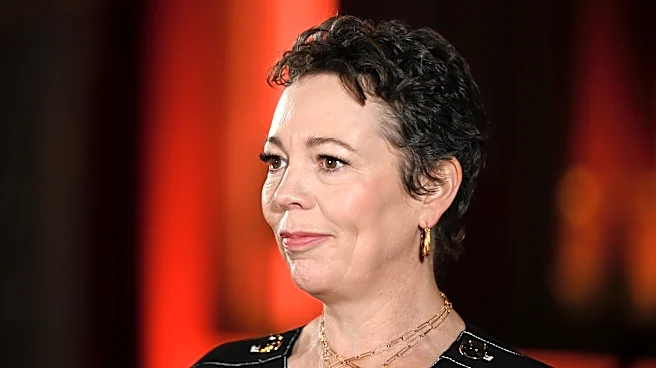
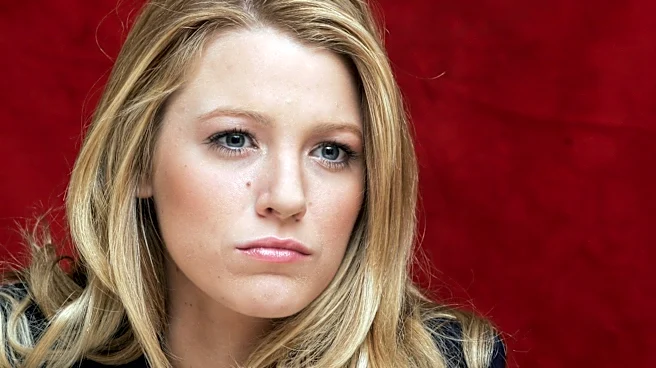
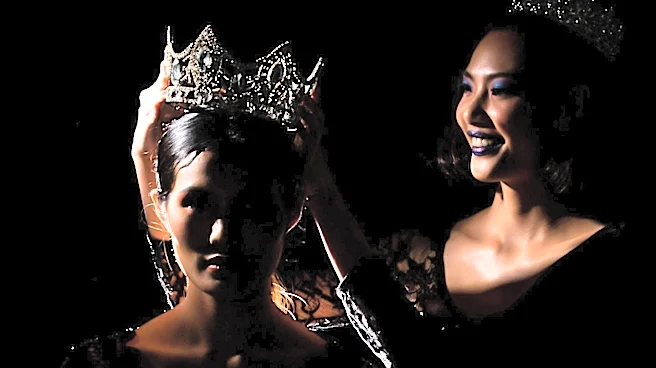
For the first time in its 98-year history, the Miss England pageant will require all finalists to walk the grand final catwalk completely makeup-free. This initiative is part of the competition’s 'Bare Face Top Model' round, which was introduced in 2019
to promote confidence, empower women, and challenge unrealistic beauty standards, particularly in the age of social media. Previously, the 'Bare Face Top Model' round was optional, with contestants submitting natural selfies, and only two beauty queens, Melisa Raouf in 2022 and Paige Loren Cannon-James last year, had competed makeup-free in the final. Organizer Angie Beasley stated that the move aims to demonstrate how the competition challenges modern beauty standards and the pressure to appear 'picture-perfect,' calling it a 'bold celebration of confidence and authenticity.' The decision follows a previous backlash where some argued it limited women's choices, while others found it empowering. The Miss England final is scheduled for November 17 at Athena in Leicester, with the winner advancing to Miss World 2027 in Tanzania.
Why It's Important?
This shift in the Miss England pageant reflects a growing societal conversation about beauty standards, authenticity, and the impact of social media on self-image. By mandating a makeup-free final, the competition is directly addressing the pressure on women to conform to often unattainable beauty ideals, which can have significant psychological and social implications. This move could influence other beauty pageants and industries that traditionally rely on enhanced appearances, potentially encouraging a broader acceptance of natural beauty. For contestants, it offers an opportunity to be judged on qualities beyond superficial aesthetics, fostering a sense of empowerment and self-acceptance. The decision also highlights the evolving role of such competitions, moving from purely aesthetic showcases to platforms that promote positive body image and confidence. The debate surrounding the 'Bare Face Top Model' round underscores the tension between individual choice in appearance and the collective desire to challenge harmful beauty norms.
What's Next?
The upcoming Miss England final on November 17 will serve as a significant test for this new makeup-free mandate. The public and media reaction to the event will likely shape future decisions regarding beauty standards in pageants. If successful, this initiative could inspire similar changes in other national and international beauty competitions, potentially leading to a broader re-evaluation of what constitutes 'beauty' in such contests. Contestants will still have the option to wear makeup for the glamorous red-carpet grand final if they choose, indicating a nuanced approach to the issue. The winner will proceed to Miss World 2027, and their journey will be closely watched to see if this emphasis on natural beauty translates to broader success and acceptance on a global stage. The ongoing dialogue about beauty standards, social media influence, and female empowerment is expected to continue, with this event adding a new dimension to the conversation.
Beyond the Headlines
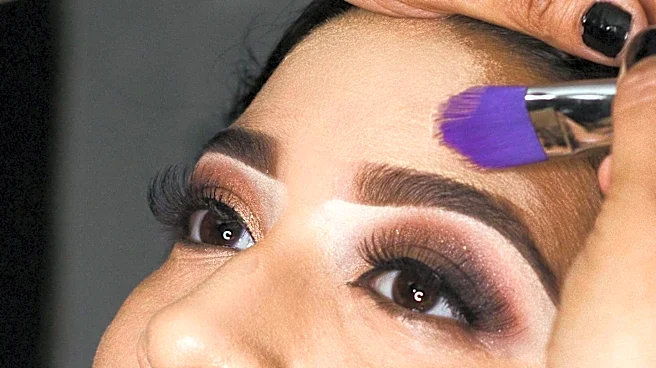
The Miss England pageant's decision to go makeup-free touches upon deeper cultural and ethical considerations regarding female representation and the commercialization of beauty. In an era dominated by filters and digital enhancements, this move challenges the very foundation of what a 'beauty pageant' represents. It raises questions about the authenticity of public figures and the role of media in shaping perceptions of attractiveness. Ethically, it promotes a message of self-acceptance and reduces the pressure on young women to invest heavily in cosmetic products and procedures to meet societal expectations. Culturally, it could contribute to a shift away from a singular, often Eurocentric, ideal of beauty towards a more diverse and inclusive understanding. This development might also impact the beauty industry, potentially leading to a greater focus on skincare and natural enhancement rather than heavy makeup application. Ultimately, it's a step towards redefining beauty as an intrinsic quality rather than an external application.