

What's Happening?
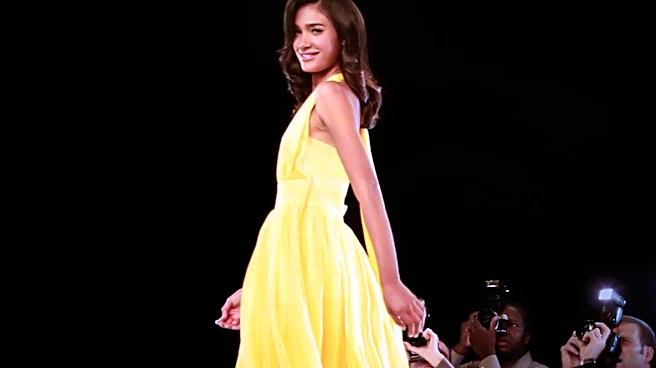
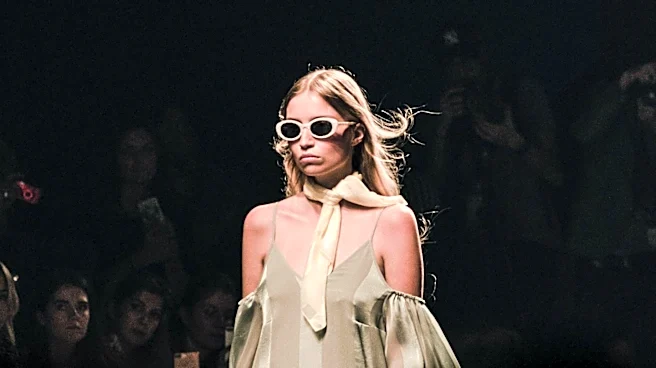
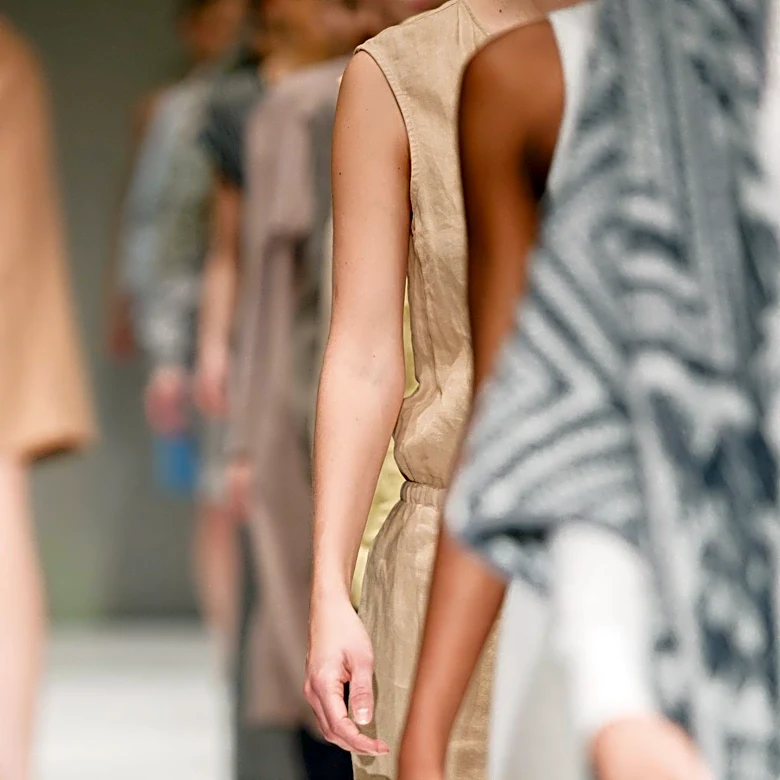
Fashion Week Columbus is returning for its 17th annual celebration, marking what organizers describe as its largest event to date. The week-long event aims to highlight Central Ohio's vibrant fashion scene through a series of nine distinct events. The schedule
encompasses a variety of activities, including runway shows featuring both established and emerging designers, dedicated showcases for sustainable fashion, and scholarship programs integrated into the week's activities. Columbus Fashion Council Executive Director Yiema John and headline designer Joan Madison, a Project Runway alumna and long-time Columbus designer, have discussed the new additions and focus for this year's event. Organizers emphasize that Fashion Week Columbus is designed to be inclusive, welcoming the broader community rather than being exclusive to fashion industry insiders, with the goal of allowing everyone to experience and appreciate local creativity.
Why It's Important?
The continued growth and longevity of Fashion Week Columbus underscore the increasing significance of regional fashion events in the U.S. This event provides a crucial platform for local designers, artists, and creative professionals in Central Ohio to gain visibility, showcase their work, and connect with a wider audience. By focusing on emerging designers and sustainable fashion, the event contributes to the evolution of the fashion industry by promoting new talent and environmentally conscious practices. Its community-inclusive approach helps democratize fashion, making it accessible to a broader public and fostering local engagement in the arts. This also has economic implications, as it can stimulate local businesses, attract tourism, and create opportunities within the creative economy of Columbus, Ohio.
What's Next?
Following the current celebration, Fashion Week Columbus will likely continue its efforts to expand its reach and impact, potentially seeking new partnerships and sponsorships to further enhance its programming and scholarship initiatives. The focus on sustainable fashion suggests a growing trend that will likely see more integration into future events, aligning with broader industry shifts towards environmental responsibility. The continued emphasis on community engagement indicates that organizers will likely explore more interactive and accessible ways for the public to participate, potentially through workshops, pop-up events, or digital content. The success of this year's event will inform future planning, with organizers likely evaluating feedback from designers, attendees, and community stakeholders to refine and innovate for subsequent editions.
Beyond the Headlines
Fashion Week Columbus's longevity and commitment to local talent reflect a broader cultural shift towards valuing regional creative economies and sustainable practices within the fashion industry. This event serves as a microcosm of how local initiatives can foster community identity and economic development outside of major fashion capitals. The inclusion of scholarship programs highlights a dedication to nurturing future generations of designers, addressing issues of access and opportunity within the creative fields. Furthermore, by making fashion accessible to the general public, the event challenges the often-exclusive perception of the industry, promoting fashion as a form of artistic expression and cultural engagement for everyone, rather than just an elite few. This inclusive approach can inspire local residents to pursue creative careers and foster a more diverse and representative fashion landscape.