



What's Happening?
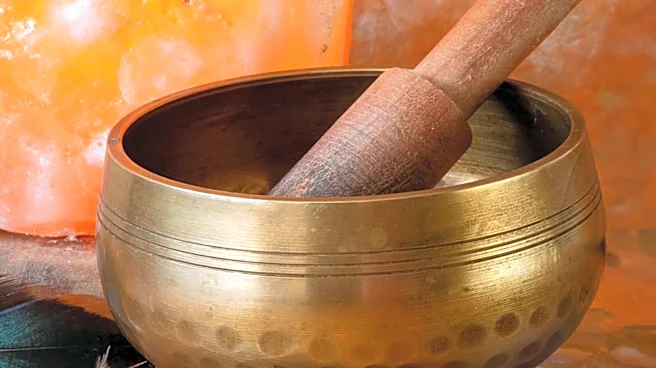
Sound baths and sound healing are increasingly being utilized as methods to promote relaxation, balance, and natural healing within the body. These practices involve the use of specific frequencies and vibrations, often incorporating instruments like
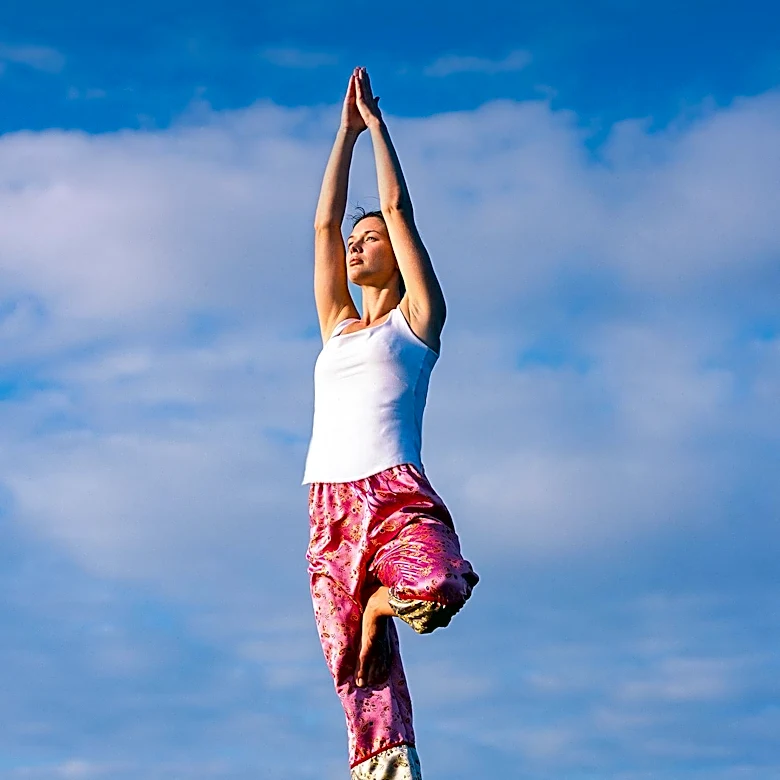
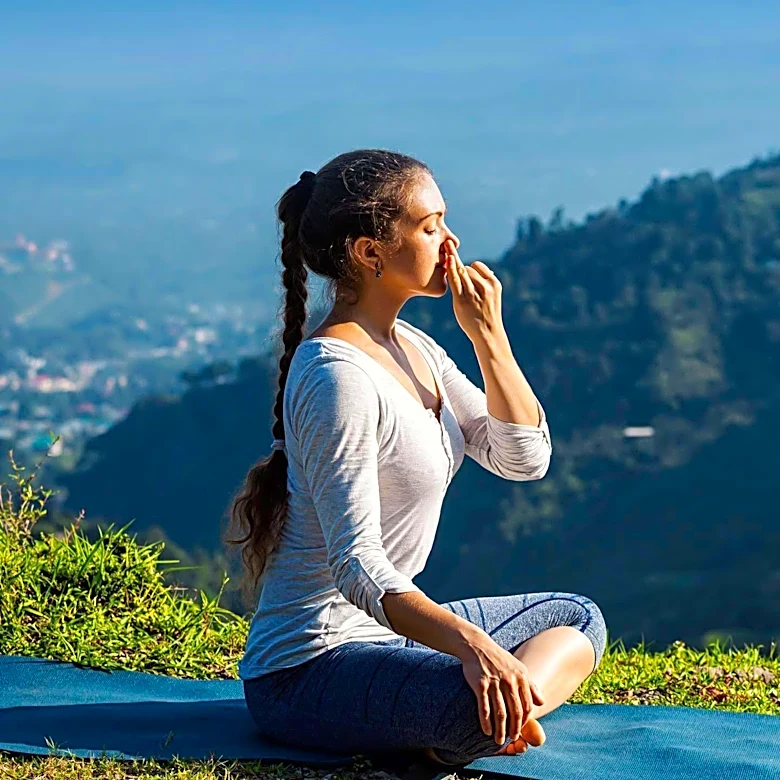
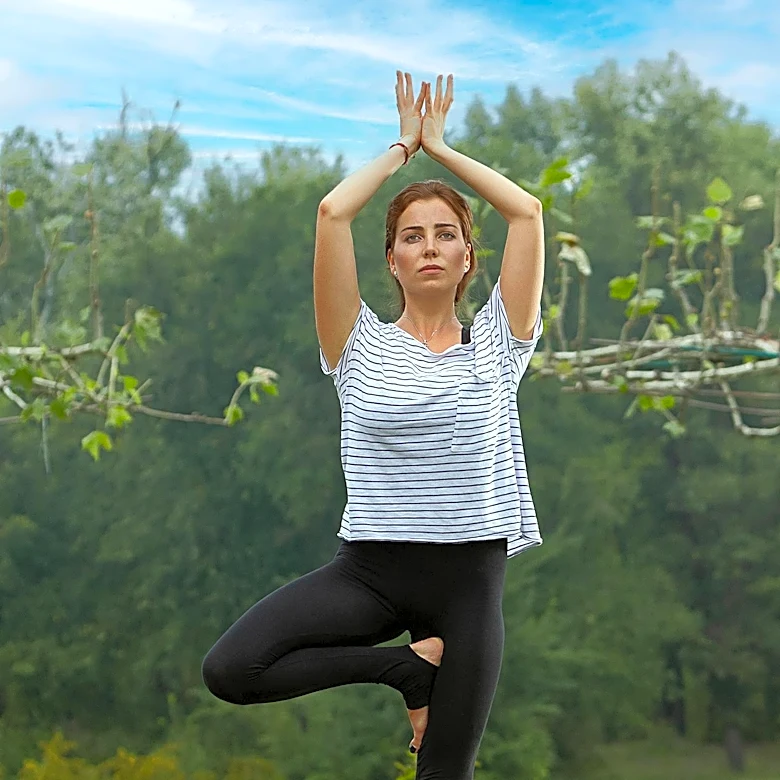
crystal bowls and chimes, to create deeply restorative experiences. Sessions are offered in various formats, including one-on-one settings and group sound baths, which can be scheduled monthly or as pop-up events. The core aim of sound healing is to induce a sense of calm, clarity, and deep rest, encouraging the nervous system to slow down and facilitate the body's inherent healing processes. This approach is being integrated into broader wellness practices such as yoga, meditation, and bodywork, providing participants with opportunities to unwind, restore balance, and achieve a grounded state.
Why It's Important?
The growing popularity of sound baths and sound healing signifies a broader societal trend towards holistic and alternative wellness practices in the U.S. This movement reflects an increasing demand for non-pharmacological approaches to stress reduction, mental clarity, and overall well-being. For individuals, these practices offer a means to manage the pressures of modern life, potentially reducing anxiety and improving sleep quality. For the wellness industry, it presents a new avenue for growth and diversification, with studios, spas, and independent practitioners incorporating sound healing into their service offerings. This trend also highlights a shift in consumer preferences, as more people seek experiences that address both physical and emotional health, moving beyond traditional medical interventions. The integration of sound healing into established practices like yoga and meditation further legitimizes its role in the wellness landscape, making it more accessible to a wider audience.
What's Next?
The expansion of sound healing practices is likely to continue, with an increase in specialized workshops, retreats, and community events. We can anticipate more wellness centers and spas integrating sound baths into their regular schedules, potentially leading to a greater demand for certified sound healers and practitioners. There may also be a rise in educational programs and mentorship opportunities for individuals interested in learning to facilitate sound healing sessions. As the practice gains more recognition, research into its physiological and psychological benefits could also increase, providing further scientific validation. Additionally, the accessibility of sound healing might broaden through online platforms offering virtual sound bath experiences, catering to individuals who prefer to practice from home. This growth could also lead to the development of new sound healing instruments and technologies, further enhancing the experience for participants.
Beyond the Headlines
Beyond the immediate benefits of relaxation, the rise of sound healing points to a deeper cultural re-evaluation of sensory experiences and their impact on well-being. In a world dominated by visual and digital stimuli, sound baths offer a unique opportunity to engage with auditory sensations in a therapeutic context, fostering a deeper connection to one's internal state. This practice taps into ancient traditions that recognized the power of sound for healing and spiritual growth, suggesting a modern resurgence of interest in these timeless methods. The emphasis on vibration and frequency also aligns with emerging scientific understanding of how subtle energies can influence biological processes. Furthermore, the communal aspect of group sound baths can foster a sense of shared experience and collective healing, addressing the growing need for community and connection in an increasingly isolated society. This trend could encourage a more mindful approach to sound in daily life, promoting environments that are acoustically harmonious and conducive to well-being.