




What's Happening?
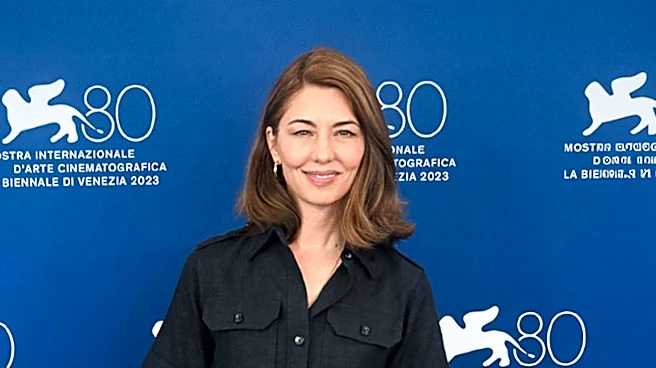
Filmmaker Sofia Coppola recently shared insights into the arduous production of her 2006 film, 'Marie Antoinette,' in an interview with Vogue. Coppola described the making of the film as an exhausting experience that led her to question if she wanted
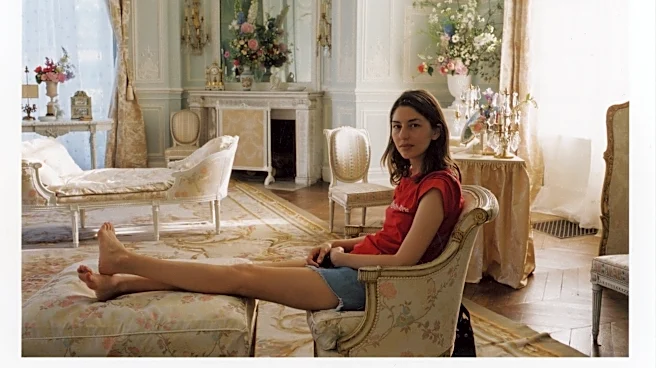
to direct again. The interview coincides with the release of 'Making Marie Antoinette,' a documentary compiled from approximately 80 hours of behind-the-scenes footage shot by her late mother, Eleanor Coppola, during the 57-day shoot in France in 2005. Eleanor Coppola worked on the documentary until her death in 2024, and Sofia Coppola took on the mission to complete it as one of her mother's final wishes. The documentary offers a candid look at the creative tensions, family discussions, and the sheer labor involved in the film's creation. Coppola also reflected on the initial mixed and often negative reception of 'Marie Antoinette,' noting that many of the unfavorable reviews were from male critics, and expressed pride in the film's eventual re-evaluation and appreciation by a new generation.
Why It's Important?
This reflection from Sofia Coppola, coupled with the release of her mother's documentary, offers a significant look into the personal and professional challenges faced by a prominent American filmmaker. It highlights the often-unseen pressures of large-scale film productions and the emotional toll they can take on directors. The completion of 'Making Marie Antoinette' by Sofia Coppola serves as a poignant tribute to her mother's legacy as a documentarian and provides invaluable archival material for film studies and historical context. The discussion around the initial critical reception of 'Marie Antoinette' also underscores evolving perspectives in film criticism, particularly regarding female-centric narratives and the historical dominance of male viewpoints in critical discourse. This re-evaluation of the film's impact and its journey from initial criticism to later acclaim can influence how contemporary films are perceived and discussed, encouraging a broader, more inclusive critical lens within the entertainment industry.
What's Next?
The release of 'Making Marie Antoinette' and the renewed interest in Sofia Coppola's 'Marie Antoinette' are likely to spark further discussions and analyses within film circles and among the general public. The documentary's intimate portrayal of the filmmaking process could inspire other filmmakers and offer educational value to aspiring directors. Coppola has indicated that after dedicating the past year to the documentary and other projects, she is eager to return to writing fiction, suggesting new cinematic works may be on the horizon. The Palace of Versailles is also celebrating the twentieth anniversary of Sofia Coppola's film with an event from September 22, 2026, to January 24, 2027, which will further bring attention to the film and its legacy. This continued engagement with her past work and future aspirations will keep Sofia Coppola at the forefront of cinematic discourse.
Beyond the Headlines
Beyond the immediate narrative of film production and critical reception, this story touches upon deeper themes of artistic legacy, intergenerational collaboration, and the evolving landscape of gender in the arts. Eleanor Coppola's extensive documentation of her daughter's work provides a unique, intimate perspective on the creative process, offering a rare glimpse into the dynamics of a filmmaking family. The act of Sofia completing her mother's final project underscores a powerful narrative of familial bond and artistic inheritance. Furthermore, Coppola's observation about the gendered nature of early criticism for 'Marie Antoinette' highlights ongoing conversations about representation and bias in media critique. This situation prompts a broader reflection on how female artists' works are received and judged, and how cultural perspectives shift over time to re-evaluate previously dismissed or misunderstood artistic endeavors. It emphasizes the importance of diverse voices in both creation and critique to foster a more equitable and nuanced understanding of art.