






What's Happening?
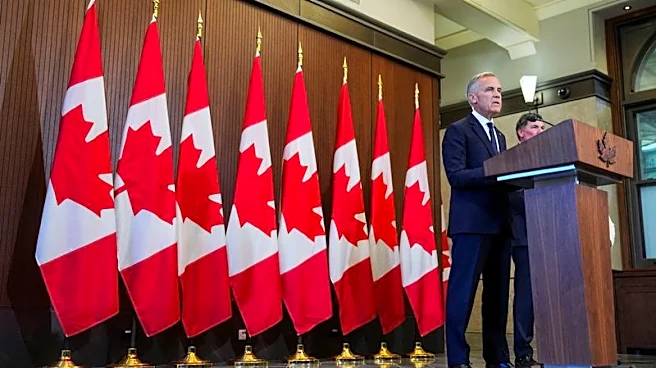
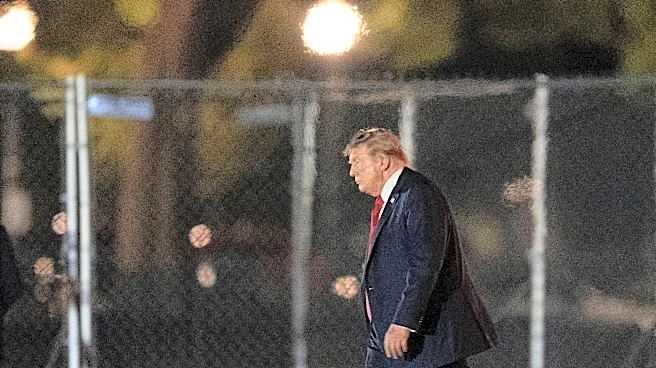
President Trump announced on August 24, 2026, that the U.S. will impose 50% tariffs on all imported cars, trucks, automotive parts, and steel from Canada, effective January 1, 2027. This escalation follows a breakdown in trade negotiations between the U.S. and Canada, which
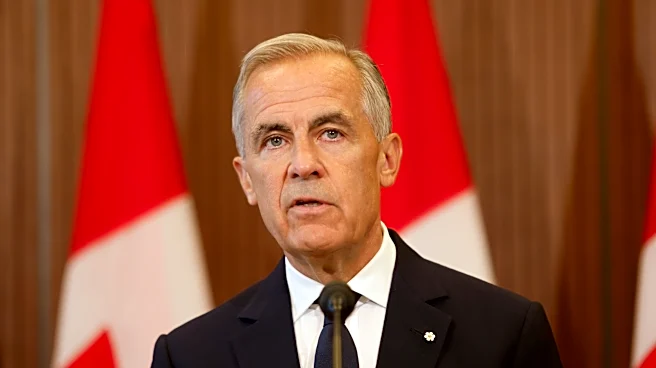
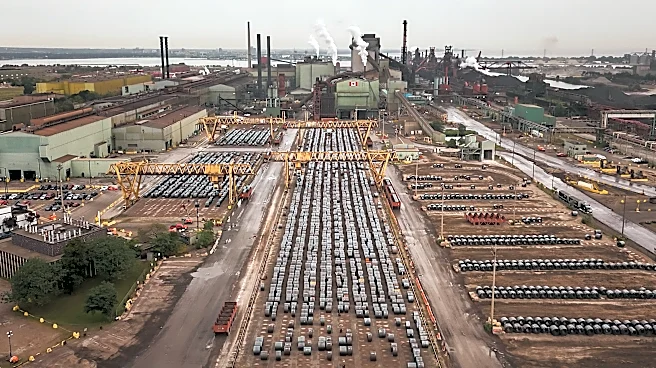
led to initial 50% tariffs on a range of Canadian goods taking effect on August 22. Canadian Prime Minister Mark Carney had previously stated that Canada would implement retaliatory tariffs 'dollar for dollar' against U.S. goods, with those measures set to begin on September 8. President Trump justified the new tariffs by claiming Canada has been 'ripping off the United States of America for years' and is 'among the worst Nations in the World to deal with' on trade. The current U.S. tariff on Canadian autos stands at 25% for non-U.S. content, while imported steel generally faces a 50% duty. The new tariffs would effectively double the existing rate for autos and potentially increase the steel tariff further.
Why It's Important?
This move significantly escalates the trade dispute between the U.S. and Canada, two historically close allies and major trading partners. The automotive sector, which is deeply integrated across the U.S., Canada, and Mexico, stands to be heavily impacted. Vehicles and parts often cross borders multiple times during manufacturing, meaning increased tariffs could disrupt supply chains, raise production costs, and ultimately lead to higher prices for consumers in the U.S. and Canada. Economists and industry experts warn that such tariffs could also negatively affect employment in the U.S. manufacturing sector, particularly in states reliant on the auto industry. The dispute also casts a shadow over the future of the U.S.-Mexico-Canada Agreement (USMCA), which President Trump negotiated during his first term, as the administration has indicated it may not renew the agreement in its current form.
What's Next?
Canada is expected to proceed with its retaliatory tariffs on U.S. goods, which are scheduled to take effect on September 8. These countermeasures will target U.S. steel, dairy, agricultural equipment, pulp and paper, and electronics. The Ontario Premier, Doug Ford, has threatened further retaliation, including cutting off electricity and critical minerals to the U.S., stating that 'everything is on the table.' The U.S. Trade Representative Jamieson Greer has downplayed the impact of the initial tariffs, but the new automotive tariffs could lead to more substantial economic consequences. Further negotiations between the two countries are uncertain, as Canadian Prime Minister Carney has stated that talks can only resume if the U.S. adopts 'the right attitude towards our industries' and does not treat Canada as a 'subsidiary.'
Beyond the Headlines
The escalating trade war highlights a fundamental shift in the U.S.-Canada relationship, moving away from traditional cooperation towards a more confrontational stance. Beyond economic implications, the dispute has sparked strong political reactions, with Canadian officials expressing outrage and accusing the U.S. of using 'economic integration as a weapon.' The long-term implications could include a re-evaluation of global supply chains, as companies may seek to reduce reliance on cross-border manufacturing to avoid tariff-related costs. This trade friction could also influence upcoming elections in both countries, as the economic impact of tariffs becomes a key issue for voters and industries. The dispute also raises questions about the future of multilateral trade agreements and the potential for increased protectionism globally.