





What's Happening?
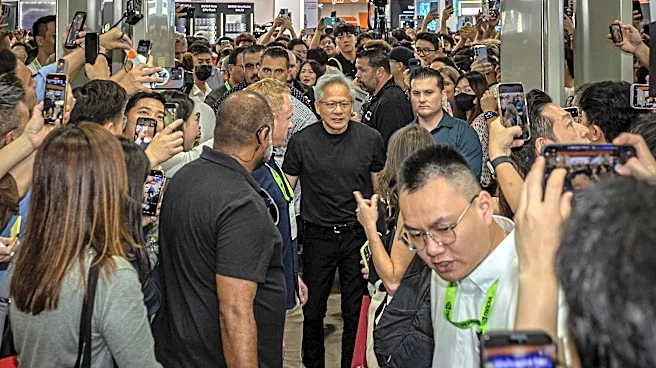
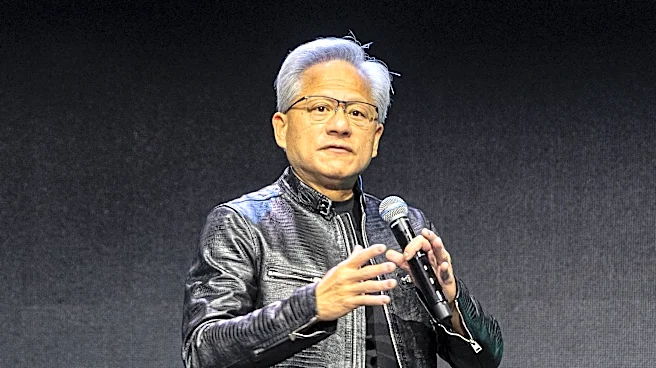
Nvidia's stock futures experienced a 3% decline following reports that supporters of former CEO Jensen Huang are lobbying for his return to the AI chip giant. Huang abruptly resigned last week amidst reports of alleged affairs, including one with a woman
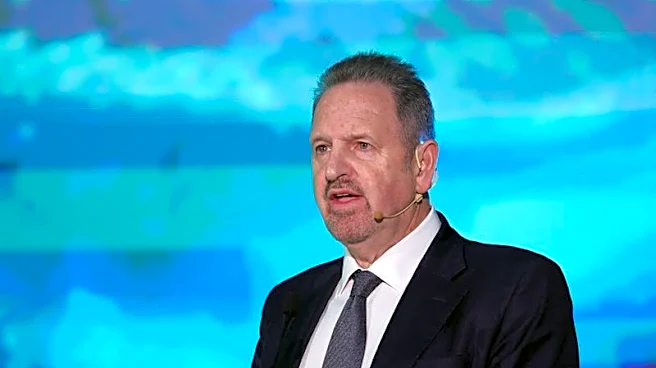
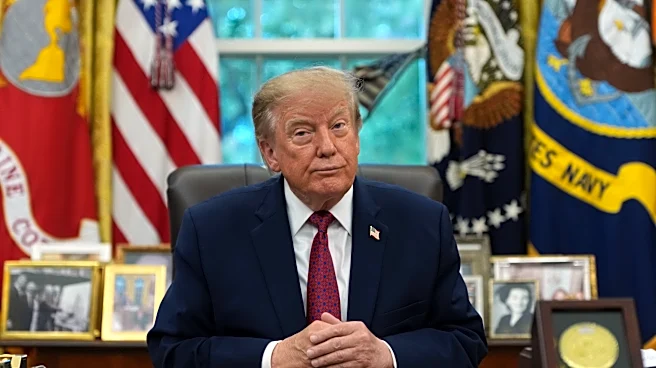
reportedly suspected of being a Chinese spy. The Financial Times reported that Huang has discussed returning as CEO with confidants, and a 'war room' of Silicon Valley executives is reportedly being assembled to lobby Nvidia's board for his reinstatement, seeking support from the White House. Tesla and SpaceX CEO Elon Musk has publicly endorsed Huang's return, stating that Huang's personal relationships were crucial for Nvidia's supply chain. Nvidia's CFO, Colette Kress, is currently serving as interim CEO while the board searches for a successor. The stock had already declined over 12% last week, falling below a $4 trillion market cap, with several Wall Street analysts downgrading the stock due to increased scrutiny in Washington and succession uncertainty.
Why It's Important?
The uncertainty surrounding Nvidia's leadership has significant implications for the company and the broader AI industry. Jensen Huang's departure, and the subsequent speculation about his return, introduces instability at a critical time for a company that has been a bellwether for the AI trade. Huang's personal relationships were reportedly instrumental in securing Nvidia's supply chain and production capacity, and his absence could disrupt these crucial arrangements. This leadership vacuum could impact investor confidence, as evidenced by the stock's recent decline and analyst downgrades. Furthermore, the allegations surrounding Huang and potential breaches of U.S. export restrictions have drawn increased scrutiny from Washington, raising concerns about corporate governance and national security. The outcome of this leadership saga will not only shape Nvidia's future but also influence the trajectory of the AI ecosystem, given the company's central role in providing advanced processors and investing in key areas of AI development.
What's Next?
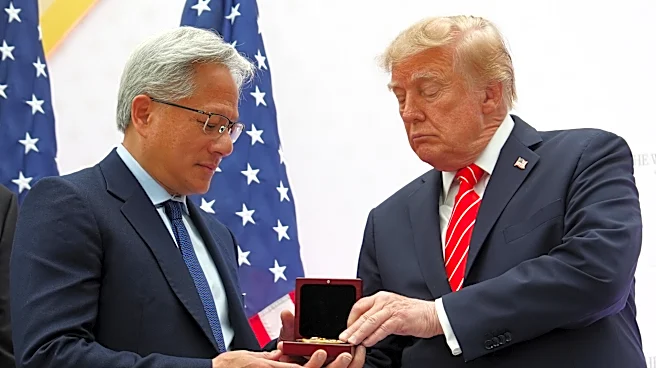
The immediate future for Nvidia involves navigating the leadership transition and addressing the ongoing scrutiny. The board's search for a permanent CEO will be critical, and the pressure to reinstate Jensen Huang, backed by prominent tech figures, adds complexity to this decision. The company is scheduled to report quarterly results, which will be its first earnings call without Huang, and investors will be closely watching for any indications of impact from the leadership change. Beyond the internal dynamics, Nvidia will likely face continued pressure from U.S. authorities regarding export controls and the alleged diversion of chips to China. The outcome of any investigations into these matters could lead to further regulatory actions or changes in Nvidia's operational practices. The broader AI industry will also be observing closely, as Nvidia's stability and strategic direction have ripple effects across the entire ecosystem, from large language model development to cloud providers.
Beyond the Headlines
The 'Jensen Huang drama' extends beyond corporate governance, touching upon geopolitical tensions and the ethical responsibilities of technology leaders. The allegations of affairs and potential links to national security concerns highlight the increasing intertwining of personal conduct, corporate leadership, and international relations in the tech sector. The debate over whether Huang's personal relationships were essential for Nvidia's business success raises questions about the cult of personality in corporate leadership and the potential vulnerabilities it creates. Moreover, the rumors of political motivations behind the leaks and the involvement of various government agencies underscore the high stakes involved in the global AI race. This situation could prompt a re-evaluation of corporate transparency, executive oversight, and the mechanisms for safeguarding sensitive technology in an increasingly interconnected and competitive world. The long-term implications could include stricter regulations on executive conduct and enhanced scrutiny of international business dealings for companies operating in strategically vital sectors.