








What's Happening?
WHOOP, a performance optimization platform, is actively seeking a Retail Experience Design Specialist I to join its team in Boston, MA. This role focuses on developing and implementing physical retail environments, including stores, shop-in-shops, pop-ups,
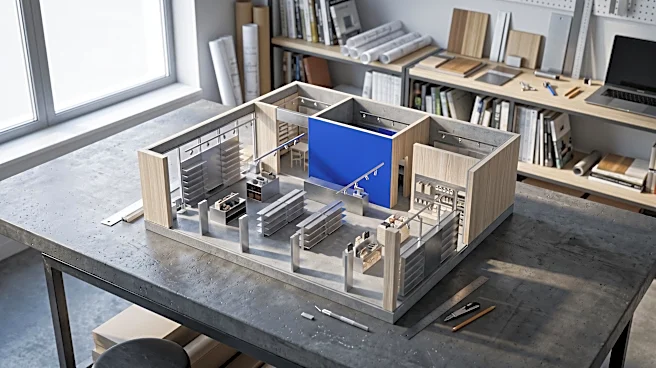
and various merchandising elements. The specialist will be responsible for translating WHOOP's brand principles and creative concepts into compelling spatial experiences that balance aesthetics, functionality, and product storytelling. Key tasks involve creating architectural and spatial design concepts through sketches, 3D models, and presentations, as well as supporting space planning and layout development. The position requires collaboration with cross-functional teams across Retail, Brand, Creative, and Operations to ensure business and customer needs are met in the physical design solutions. The ideal candidate will have a Master of Architecture degree or equivalent and 0-2 years of professional experience in related design fields, demonstrating strong architectural thinking and visual communication skills. The role also emphasizes a commitment to leveraging AI tools in daily tasks while maintaining high-quality standards.
Why It's Important?
This hiring initiative signifies WHOOP's strategic expansion into physical retail spaces, moving beyond its established digital and wearable technology presence. By investing in dedicated retail design expertise, WHOOP aims to create immersive brand experiences that can directly engage consumers, potentially increasing brand visibility and product adoption. This move could be crucial for a company operating in the competitive health and fitness technology market, as it allows for direct interaction with potential customers, enabling them to experience the product firsthand. A strong physical retail presence can build trust, enhance brand loyalty, and differentiate WHOOP from competitors who primarily rely on online sales. The emphasis on integrating AI tools into the design process also highlights a forward-thinking approach, aiming to optimize design efficiency and innovation in creating these physical touchpoints. This expansion could lead to increased market share and a stronger brand identity within the U.S. health and wellness sector.
What's Next?
The successful candidate will play a pivotal role in shaping WHOOP's future retail footprint, influencing how the brand is perceived and experienced in physical settings. Their immediate tasks will involve supporting the design and development of various retail environments, from initial concept to installation and launch. This includes researching and selecting materials, coordinating with vendors, and ensuring design consistency across different locations. The role will also involve developing and maintaining retail design standards and guidelines, which will be crucial for scaling WHOOP's physical presence effectively. As WHOOP continues to grow, the retail experience specialist will be instrumental in translating market trends and consumer insights into innovative physical spaces. This strategic investment in retail design suggests a potential acceleration in the opening of new WHOOP-branded physical locations or partnerships with existing retailers, aiming to broaden customer reach and engagement across the U.S.
Beyond the Headlines
This strategic hiring reflects a broader trend among direct-to-consumer (DTC) brands to establish a physical presence, recognizing the limitations of purely online engagement. For WHOOP, a company built on data-driven performance insights, creating a tangible retail experience offers an opportunity to humanize its technology and connect with consumers on a more personal level. The integration of architectural design principles into retail environments goes beyond mere product display; it aims to create an experiential journey that embodies the brand's values of performance and well-being. This approach can foster a sense of community around the brand, turning retail spaces into hubs for education, engagement, and brand advocacy. Furthermore, the explicit mention of leveraging AI tools in design suggests an innovative approach to retail development, potentially leading to highly optimized, data-informed physical spaces that adapt to consumer behavior and preferences, setting a new standard for experiential retail in the health technology sector.