




What's Happening?
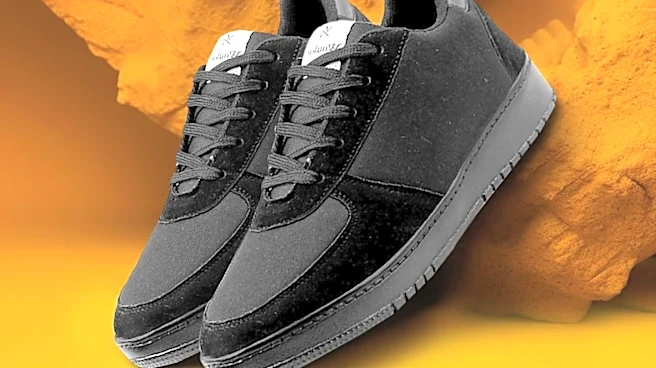
Barefoot shoes are experiencing a resurgence in popularity as a tool for strengthening feet and improving overall biomechanics, challenging the long-held dominance of maximalist running shoes. Experts, including physical therapists and pedorthists, highlight
that traditional footwear with elevated heels, high stack heights, flared outsoles, arch support, and narrow toe boxes can weaken foot muscles, shorten Achilles tendons, and negatively impact proprioception and balance. In contrast, barefoot shoes promote natural foot functioning by allowing toes to splay, activating the foot's intrinsic muscles, and encouraging a midfoot or forefoot strike pattern during running. This shift can alleviate various musculoskeletal injuries, such as runner's knee, calf strains, plantar fasciitis, and back pain, which some individuals have found to be mere 'band-aid solutions' with conventional recovery methods.
Why It's Important?
The re-emergence of barefoot shoes signifies a growing awareness of the impact of footwear on long-term musculoskeletal health and athletic performance. For decades, conventional running shoes have prioritized cushioning and support, inadvertently leading to weakened foot muscles and altered gait mechanics. This can contribute to a range of common injuries and discomforts, affecting a significant portion of the population, from casual walkers to dedicated athletes. By promoting a return to more natural foot movement, barefoot shoes offer a potential pathway to stronger feet, improved balance, and a more efficient, less impactful stride. This movement challenges established norms in the footwear industry and healthcare, suggesting that strengthening the body's natural structures, rather than solely relying on external support, can lead to more sustainable health outcomes and a reduction in chronic pain.
What's Next?
Individuals interested in transitioning to barefoot shoes are strongly advised to do so gradually to avoid injury. Experts recommend starting with short periods of wear, such as walking barefoot at home or incorporating barefoot shoes for brief errands, and slowly increasing duration and activity levels over months, or even years. A walk/run program, beginning with short jogging intervals and progressively replacing walking with running, is suggested for runners. Specific exercises to strengthen feet, such as foot doming, heel raises, and toe mobility drills, are also crucial. Certain groups, including those with peripheral neuropathy, diabetes, or arthritic feet, are cautioned against transitioning due to health concerns. The emphasis is on listening to one's body and respecting pain signals as indicators of attempting to change too quickly.
Beyond the Headlines
The discussion around barefoot shoes extends beyond mere footwear choice; it touches upon fundamental aspects of human biomechanics and the long-term consequences of modern living. The weakening of foot muscles due to supportive footwear highlights a broader societal trend where convenience and perceived comfort often supersede natural physiological function. This movement encourages a re-evaluation of how we interact with our environment, promoting a more 'connected' experience with the ground beneath our feet. It also raises ethical questions for footwear manufacturers regarding the design principles of their products and their impact on consumer health. Ultimately, the barefoot shoe trend encourages individuals to reclaim and strengthen their body's innate capabilities, fostering a deeper understanding of personal health and resilience.